
TL;DR:
- Strong curb appeal increases a property’s value by around 7 percent and influences buyer perception positively.
- Homeowners can improve curb appeal quickly through power washing, painting the front door, and maintaining landscaping.
Curb appeal is defined as the visual attractiveness of a property as seen from the street, and it directly shapes how buyers, neighbours, and passersby perceive your home. Homes with strong curb appeal consistently sell for around 7% more than comparable properties. That premium can climb to 10–11% in slower buyer markets. For homeowners preparing to sell, or simply wanting to protect their investment, curb appeal is not a cosmetic afterthought. It is a measurable financial asset.
The real estate industry uses “street presence” and “exterior presentation” interchangeably with curb appeal, but the underlying principle is the same. A well-presented façade signals care, quality, and pride of ownership before a buyer ever steps through the front door. 99% of realtors agree that curb appeal attracts strong buyers, and targeted exterior improvements can yield a return on investment of around 238%. Those are not numbers to ignore.
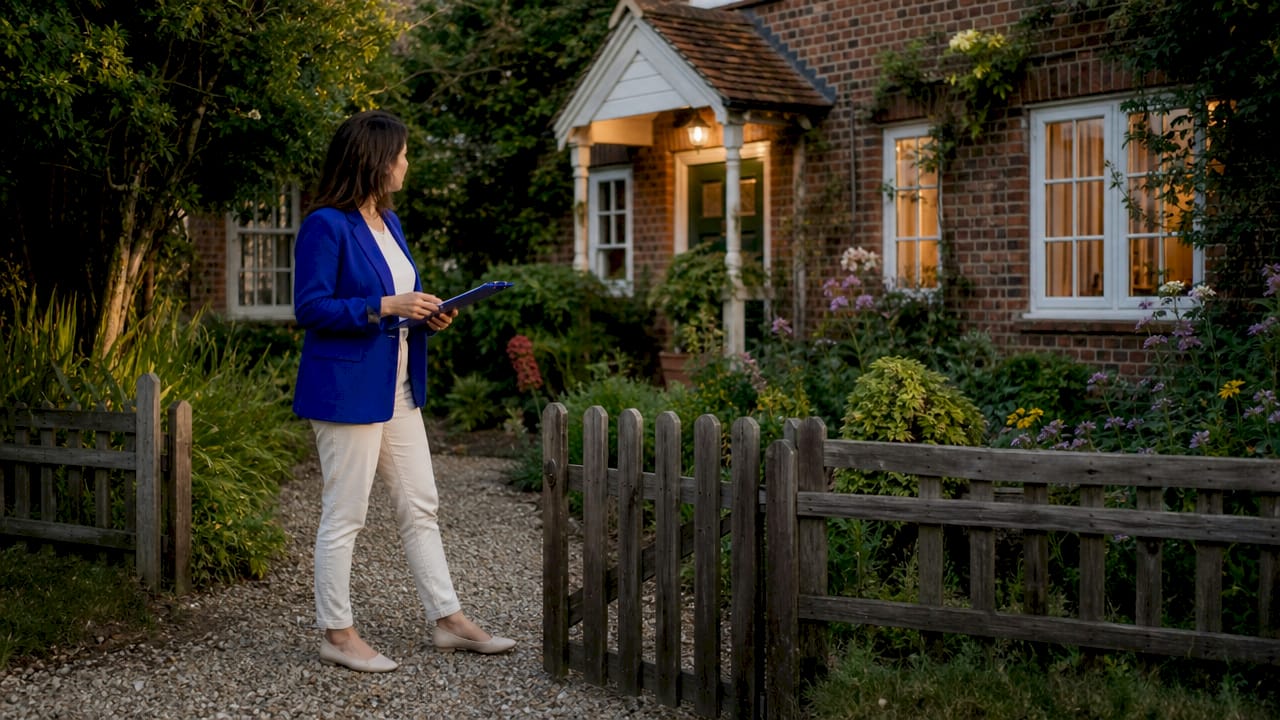
What are the main elements that contribute to strong curb appeal?
Curb appeal is not one single feature. It is the sum of several visual elements working together to create a cohesive, welcoming exterior.
The most critical of those elements is the front door. The front door acts as the “headline” of a home, drawing a buyer’s eye first and setting the tone for everything that follows. A freshly painted door in a considered colour, with polished hardware and a clean threshold, communicates quality before a single word is spoken.
Beyond the door, the following elements define a property’s street presence:
- Landscaping: A healthy, edged lawn and tidy garden beds signal active maintenance. Overgrown shrubs or bare patches do the opposite.
- Exterior surfaces: Clean render, painted weatherboards, and intact brickwork tell buyers the home has been looked after. Peeling paint or stained cladding raises immediate doubts.
- Lighting: Well-placed exterior lights add warmth at dusk and highlight architectural features that might otherwise go unnoticed.
- Symmetry and balance: Paired planters flanking the entryway create balance that buyers register subconsciously. Symmetry signals intentionality and care, even when the individual elements are modest.
- Architectural details: Decorative trims, corbels, and period features on Victorian and Edwardian homes add character that generic properties simply cannot replicate.
Pro Tip: Stand at the footpath and photograph your home’s façade. Review the image on your phone rather than looking at the house directly. The camera removes familiarity and reveals what a buyer actually sees.
Cohesion matters more than any single expensive upgrade. Focusing on one costly feature while neglecting the rest rarely delivers the visual impact homeowners expect. A balanced approach across landscaping, entryway, and exterior surfaces produces far stronger results.
How does curb appeal influence property value and buyer behaviour?
The financial case for exterior presentation is well established. Strong curb appeal increases property value by 3–5% on average and reduces buyer apprehension during inspections. Lower apprehension means fewer cold feet, fewer renegotiations, and lower contract failure rates.
“A well-maintained exterior induces a psychological halo effect, prompting buyers to assume the interior is similarly cared for.”
That halo effect is not marketing language. It is a documented psychological response. Buyers subconsciously infer interior care from a well-maintained exterior, which reduces their perceived risk and can sway their decision before they have seen a single room. In practical terms, a buyer who feels reassured at the kerb is more likely to make a strong offer and less likely to use inspection findings as leverage to negotiate the price down.
In competitive markets, curb appeal can be the difference between a property that generates multiple offers on the first weekend and one that sits for months. In slow markets, the premium climbs further. The 10–11% uplift recorded during financial downturns reflects the fact that buyers in cautious markets are especially sensitive to perceived risk. A property that looks cared for feels like a safer bet.
The return on investment for exterior improvements is also compelling. Most targeted upgrades, from a fresh coat of paint on the front door to a tidy garden bed, can be completed within two weeks. The financial return on those modest outlays consistently outperforms many interior renovations.
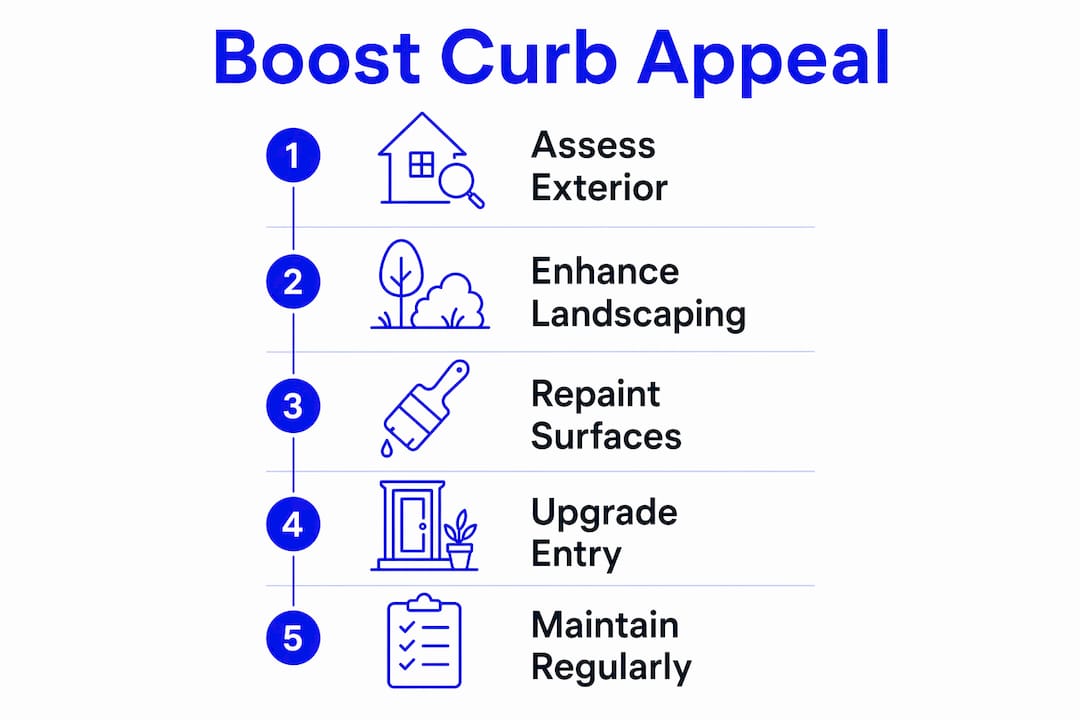
What practical steps can homeowners take to boost curb appeal?
Most meaningful curb appeal improvements require more effort than money. The following steps are ordered by impact and can be completed across two weekends.
- Power wash the exterior. A power washer can make a home appear up to 10 years younger by removing grime from siding, pathways, and driveways. This single task delivers an immediate visual lift that paint alone cannot replicate. The benefits of exterior cleaning for period homes in Melbourne are particularly significant, where decades of weathering accumulate on render and timber.
- Repaint or refresh the front door and trim. Choose a colour that complements the home’s architecture rather than fighting it. On heritage homes, period-appropriate tones in quality exterior paint products preserve authenticity while refreshing the façade.
- Edge the lawn and tidy garden beds. Crisp lawn edges and weed-free garden beds signal active upkeep. This takes a few hours and costs almost nothing.
- Add or update exterior lighting. A simple pendant light above the front door or low-voltage path lighting adds warmth and draws attention to the entryway after dark.
- Install symmetrical decorative elements. Place matching planters, lanterns, or topiaries on either side of the front door. The symmetry in paired planters registers as intentional design and elevates the overall impression without structural work.
- View the property from across the street. Viewing your home from across the street reveals neglected details that are invisible from the front door, including patchy grass, stained walkways, and mismatched elements. This perspective aligns your view with a buyer’s first impression.
Pro Tip: For heritage homes in Melbourne’s inner east and bayside suburbs, consider the siding choices that complement period architecture before committing to a colour palette. The wrong cladding treatment can undermine the character that makes these homes valuable.
How can homeowners maintain curb appeal over the long term?
A single weekend of improvements fades without a maintenance routine. Sustained curb appeal requires consistent attention across seasons.
The most effective maintenance habits include:
- Regular mowing, edging, and pruning. Lawns and garden beds need attention every two to three weeks during the growing season. Neglect compounds quickly and is visible from the street.
- Periodic exterior cleaning. Power washing once or twice a year prevents the build-up of grime, mould, and algae that age a façade prematurely. Heritage home exterior cleaning in Melbourne’s climate is particularly important given the city’s variable weather patterns.
- Scheduled repainting. Exterior paint on Melbourne homes typically requires attention every 7–10 years, though timber surfaces and weatherboards may need refreshing sooner. Staying ahead of paint failure prevents costly substrate damage.
- Drought-tolerant planting. Replacing high-maintenance lawn areas with drought-tolerant native plants reduces ongoing labour and keeps the garden looking intentional through dry summers.
- Maintaining architectural cohesion. Avoid ad hoc additions that disrupt the visual language of the home. On Victorian and Edwardian properties, every new element should respect the original period character.
| Maintenance task | Recommended frequency |
|---|---|
| Lawn mowing and edging | Every 2–3 weeks (growing season) |
| Garden bed weeding and pruning | Monthly |
| Exterior power washing | Once or twice per year |
| Exterior paint inspection | Annually |
| Full exterior repaint | Every 7–10 years |
Planning upgrades around market timing also pays off. A home that receives a fresh exterior repaint and garden tidy in spring, ahead of the autumn selling season, is positioned to capture buyer interest at peak market activity.
Key takeaways
Strong curb appeal is a measurable financial asset, not a cosmetic preference, and the most effective approach combines a well-maintained façade, cohesive landscaping, and a standout front door to maximise both buyer appeal and sale price.
| Point | Details |
|---|---|
| Curb appeal adds real value | Homes with strong street presence sell for around 7% more than comparable properties. |
| The front door is the priority | Repainting the front door and trim delivers high visual impact at relatively low cost. |
| Power washing works fast | A single power wash can make a façade appear up to 10 years younger in one session. |
| Symmetry signals quality | Paired planters or matching lights create balance that buyers register subconsciously. |
| Maintenance sustains value | Scheduled repainting and regular cleaning protect the investment beyond the initial upgrade. |
What I have learned from watching buyers react to exteriors
The moment a buyer pulls up outside a property tells you almost everything. I have watched people decide within 30 seconds whether they are genuinely interested or just going through the motions. The homes that hold their attention are rarely the ones with the most expensive gardens or the grandest facades. They are the ones that look cared for.
The most common misconception I see is that curb appeal requires a large budget. Homeowners often assume they need new fencing, a landscaped garden, or a full exterior repaint before their home looks presentable. In reality, a clean façade, a freshly painted front door, and a tidy lawn do most of the work. The psychological halo effect kicks in early. Buyers who feel reassured at the kerb carry that goodwill through the entire inspection.
The detail I see overlooked most often is the condition of window frames and timber trims. On Melbourne’s period homes, peeling paint around windows is one of the first things a discerning buyer notices. It signals deferred maintenance and raises questions about what else has been neglected. A fresh coat of paint on the trims costs a fraction of what buyers will subtract from their offer when they see deterioration.
My honest advice: walk across the street, take a photo, and look at it with fresh eyes. Then fix the three things that bother you most. That exercise, done honestly, will tell you more than any renovation checklist.
— Jarrad
Sol Shine’s exterior painting and restoration services
Sol Shine works with homeowners across Melbourne’s inner east and bayside suburbs to restore and repaint period home façades to a standard that genuinely lifts street presence. The team handles everything from a single front door repaint to a full exterior painting project covering render repair, weatherboard replacement, and heritage timber trim restoration.
For Victorian and Edwardian homes where architectural detail defines value, Sol Shine’s heritage painting services preserve the character that makes these properties worth protecting. Every project is managed under one roof, with skilled tradespeople who understand the specific demands of period homes. If your home’s exterior needs more than a quick refresh, Sol Shine is the team to call.
FAQ
What is curb appeal in real estate?
Curb appeal is the visual attractiveness of a property as seen from the street. It directly influences buyer interest, perceived value, and sale price.
How much does curb appeal affect home value?
Homes with strong curb appeal sell for around 7% more than comparable properties, with premiums reaching 10–11% in slower markets.
What increases curb appeal the most?
The front door is the single most impactful element. A freshly painted door, clean exterior surfaces, and tidy landscaping together deliver the strongest visual improvement.
How do I improve curb appeal on a limited budget?
Power washing the exterior, repainting the front door and trim, edging the lawn, and adding symmetrical planters are all low-cost improvements that deliver measurable visual impact.
How often should I repaint my home’s exterior to maintain curb appeal?
Exterior paint on Melbourne homes typically needs attention every 7–10 years, with timber surfaces and weatherboards often requiring more frequent care depending on sun and weather exposure.


