
Your home’s interior walls do far more than hold up picture frames. Repainting your home’s interior can boost its market value by up to 10%, a statistic that surprises many Melbourne homeowners who view painting as purely cosmetic. Beyond aesthetics, fresh paint acts as a protective barrier against moisture damage, mold growth, and surface wear. This article reveals why interior repainting is an essential maintenance investment, when to schedule it, and how professional services deliver results that DIY efforts rarely match.
Table of Contents
- Why Repainting Interiors Matters For Property Value
- Aesthetic And Psychological Benefits Of Interior Repainting
- How Repainting Protects And Maintains Your Home’s Interior
- Common Misconceptions About Interior Repainting
- Professional Repainting Versus DIY: What You Need To Know
- Optimal Timing And Frequency For Interior Repainting In Melbourne
- Enhance Your Melbourne Home With Expert Interior Repainting
- Common Questions About Interior Repainting
Key Takeaways
| Point | Details |
|---|---|
| Property Value | Fresh interior paint increases home value up to 10% and speeds sales by 15%. |
| Protection Benefits | Repainting creates moisture barriers and reduces wall repair needs by 40%. |
| Professional Advantage | Expert painting lasts longer with 35% fewer defects than DIY attempts. |
| Optimal Frequency | Repaint every 5 to 7 years to maintain protection and appearance. |
Why Repainting Interiors Matters for Property Value
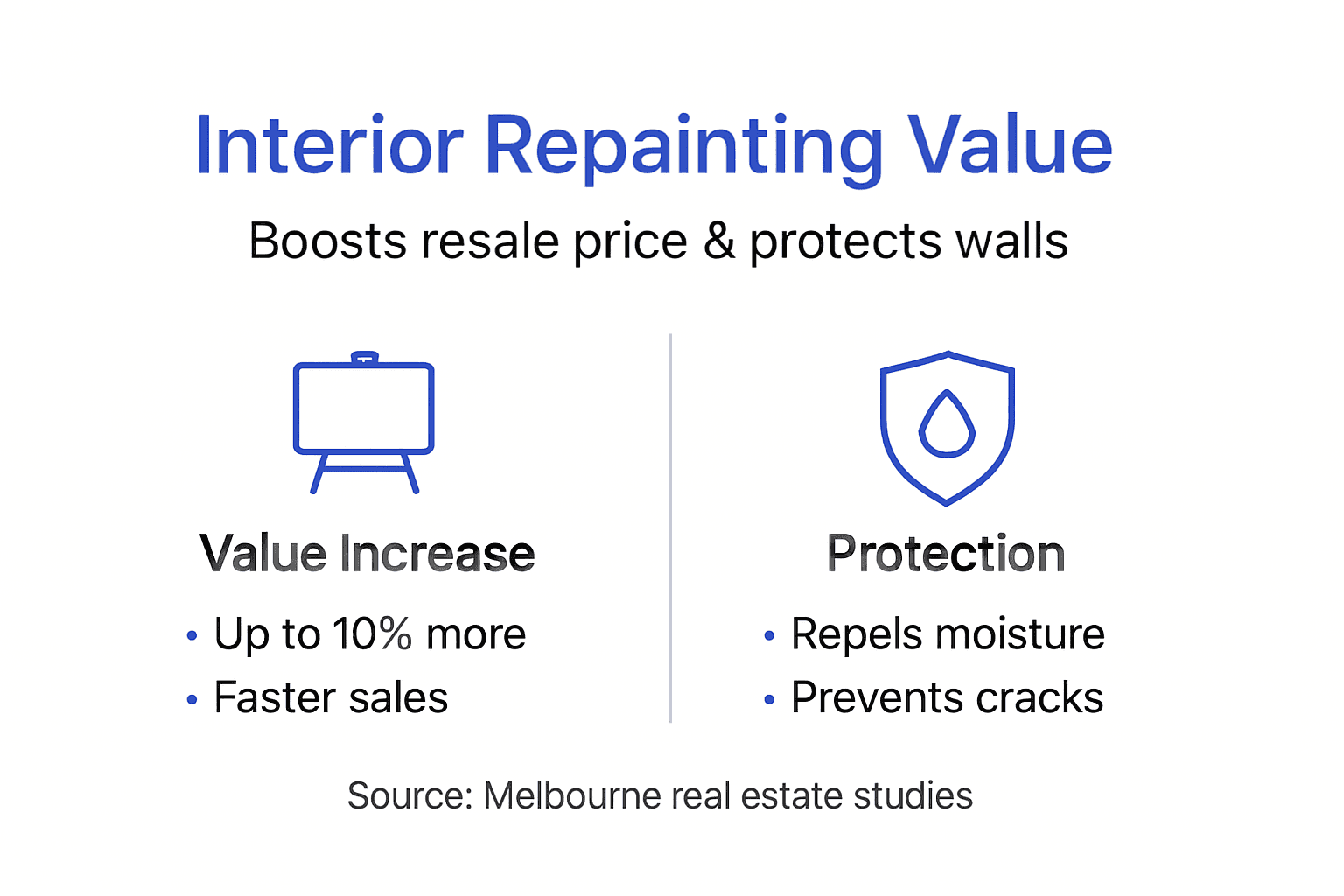
Fresh paint transforms how buyers perceive your property. According to HGTV, interior repainting delivers up to 10% increases in market value, making it one of the highest return renovations available. This boost stems from the immediate impression of a well-maintained home that requires no deferred maintenance.
The financial benefits extend beyond higher asking prices. Homes with freshly painted interiors sell 15% faster than comparable properties with dated or worn walls. Buyers emotionally connect with move-in ready spaces, reducing negotiation friction and accelerating closing timelines.
Market Impact of Fresh Paint:
Property value increases correlate directly with buyer perception of home condition. When potential buyers walk through your door, they notice walls first. Scuffed, faded, or stained surfaces signal neglect, triggering mental price reductions before appraisals begin. Conversely, crisp walls in neutral or contemporary colors suggest meticulous care throughout the property.
Melbourne’s competitive real estate market amplifies these effects. Buyers comparing similar homes gravitate toward properties that feel updated and cared for. Your interior painting projects can be the deciding factor that generates multiple offers instead of prolonged market time. The upfront investment in quality repainting pays dividends when sale prices exceed neighborhood averages and transactions close quickly.
Aesthetic and Psychological Benefits of Interior Repainting
Your wall colors affect more than visual appeal. Color and finish choices influence room brightness and perceived atmosphere by 30%, directly impacting how you experience your living spaces daily. Light colors expand small rooms visually, while deeper tones create cozy intimacy in larger areas.
Repainting offers affordable transformation without structural changes. You can modernize dated color schemes, correct previous poor choices, or simply refresh worn surfaces to align with current design preferences. This flexibility allows your home to evolve with your lifestyle without expensive renovations.
Psychological advantages include:
- Enhanced mood and reduced stress in calming color environments
- Increased home pride and satisfaction with personalized spaces
- Improved lighting efficiency from reflective paint finishes
- Fresh starts that motivate other home improvements
Pro Tip: Test paint samples on multiple walls and observe them at different times of day before committing. Natural and artificial lighting dramatically alter color appearance, and what looks perfect at noon might feel wrong at evening.
The psychological lift extends beyond aesthetics. Walking into freshly painted rooms triggers satisfaction similar to bringing home something new. This emotional benefit compounds over months and years, making your home feel perpetually updated rather than gradually declining. Melbourne homeowners report increased willingness to entertain guests and spend time in renovated spaces, validating the investment beyond mere dollars.
How Repainting Protects and Maintains Your Home’s Interior
Paint functions as your wall’s first defense layer. Quality interior coatings seal plaster and drywall surfaces, preventing moisture infiltration that causes structural damage over time. This protective barrier becomes especially critical in bathrooms, kitchens, and laundries where humidity levels spike regularly.
Specialized paint formulations deliver targeted protection. Mildew-resistant paints prevent fungal growth and reduce indoor allergens, crucial for Melbourne’s varied climate conditions. These products contain antimicrobial additives that inhibit mold spores from establishing colonies, protecting both your home and occupant health.
Protection mechanisms in order of importance:
- Moisture barrier preventing water penetration into wall substrates
- Surface hardness resisting scuffs, scratches, and impact damage
- Antimicrobial properties inhibiting mold and mildew colonization
- UV resistance maintaining color stability near windows
- Washability allowing stain removal without surface degradation
The financial case for protective repainting is compelling. Regular repainting reduces wall repair needs by 40% compared to deferred maintenance approaches. Catching minor surface issues before they penetrate wall substrates prevents expensive plaster repairs, mold remediation, and structural work.
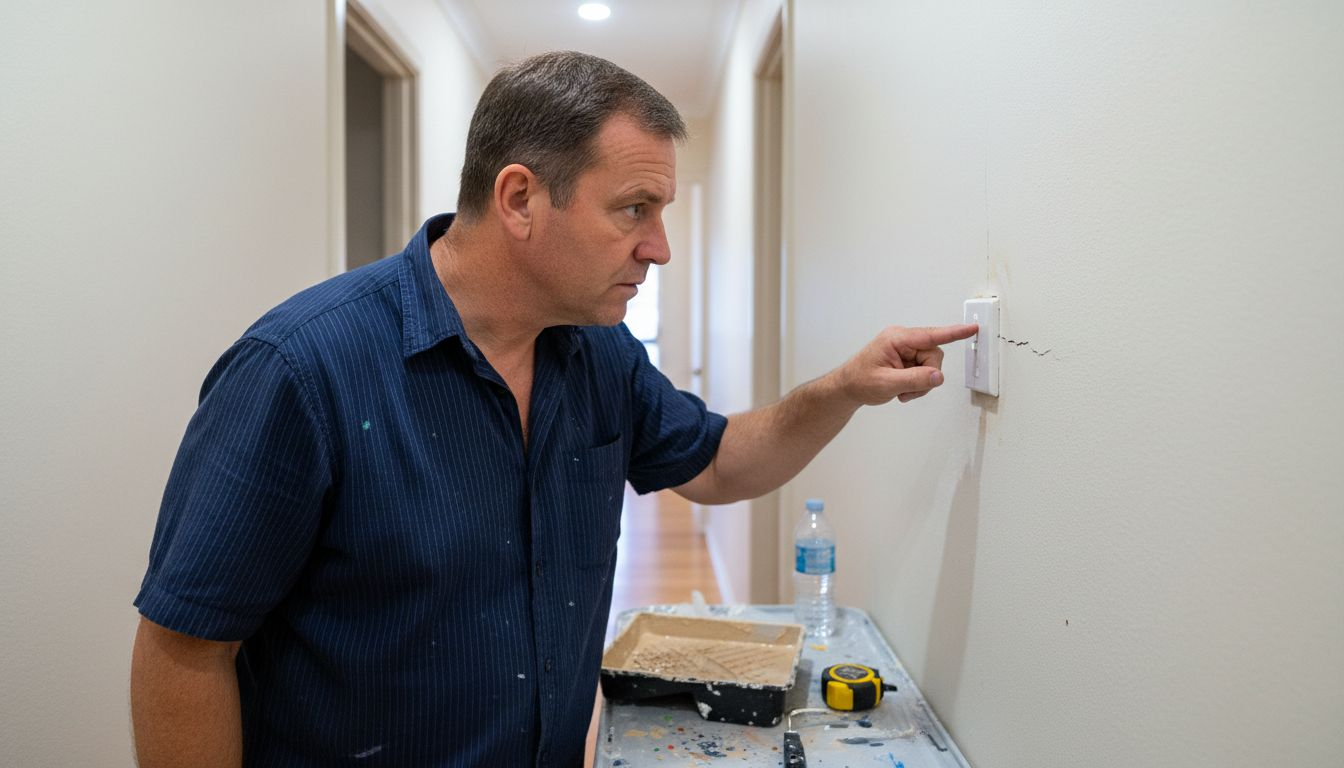
Moisture damage progression illustrates this prevention principle. Small paint cracks admit humidity, which softens plaster and creates mold-friendly conditions. Left unaddressed, you’ll eventually face wall replacement instead of simple repainting. Professional coatings with proper surface preparation create durable seals that extend interior surface lifespans dramatically. The mold prevention benefits alone justify regular repaint schedules, particularly in moisture-prone areas.
Common Misconceptions About Interior Repainting
Many homeowners view repainting as purely cosmetic, delaying projects until walls look visibly poor. This misconception costs significantly more long term. Paint degradation accelerates once protective barriers fail, allowing moisture and dirt penetration that damages underlying surfaces. Repainting on schedule prevents these cascading failures.
The DIY assumption presents another costly mistake. While painting appears straightforward, DIY repainting has a 35% higher chance of peeling and defects compared to professional work. Surface preparation, primer selection, application technique, and environmental conditions all impact durability. Shortcuts in any area produce finishes that fail prematurely.
Myths that lead to poor decisions:
- Waiting until walls look bad before repainting saves money
- All interior paints perform similarly regardless of quality
- Surface preparation matters less than paint brand selection
- Any able person can achieve professional-quality results
- Repainting every decade provides sufficient protection
The frequency misconception deserves special attention. Waiting 10 or 15 years between repaints allows protective coating failure and substrate damage. Professional recommendations call for 5 to 7 year cycles based on wear patterns and environmental exposure. This proactive schedule maintains continuous protection while walls remain in excellent condition, eliminating expensive repairs.
These misconceptions stem from viewing paint as decoration rather than functional protection. When you understand interior coatings as maintenance investments protecting your largest asset, decision-making shifts from cosmetic preferences to strategic home care. The upfront cost becomes preventive spending that avoids far larger future expenses.
Professional Repainting Versus DIY: What You Need to Know
Professional painters deliver measurably superior results. DIY interior painting has a 35% higher failure rate than professional work, manifesting as premature peeling, uneven coverage, visible brush marks, and color inconsistencies. These defects require complete redo within 2 to 3 years instead of the 7 to 10 year lifespan professionals achieve.
Surface preparation explains much of this performance gap. Professionals spend 60% to 70% of project time on preparation: cleaning surfaces, repairing cracks, sanding rough spots, applying primers, and masking trim. DIY painters typically rush through preparation, eager to start the visible painting phase. This shortcut guarantees coating failure regardless of paint quality.
Professional Advantages vs DIY Limitations:
| Factor | Professional | DIY |
|---|---|---|
| Surface Prep | Comprehensive cleaning, repairs, priming | Often minimal or skipped |
| Paint Selection | Matched to surface and use conditions | Generic consumer-grade products |
| Application Technique | Even coverage, proper thickness, no marks | Visible imperfections common |
| Durability | 7-10 years typical lifespan | 2-4 years before issues appear |
| Warranty | Satisfaction guarantees standard | No recourse for failures |
Cost comparisons favor professionals when accounting for longevity. DIY projects might save 40% to 50% initially, but premature failure doubles total cost when including redo expenses. Professional work costs more upfront but spreads investment over twice the lifespan, delivering better per-year value.
Pro Tip: Request detailed scope documents from painters outlining surface prep steps, primer types, paint specifications, and coat quantities. This transparency ensures you receive the preparation quality that determines durability.
Warranty coverage provides additional professional value. Reputable painters guarantee their work, returning to address any defects at no charge. This assurance eliminates the risk homeowners assume with DIY attempts. When you invest in professional interior painting services, you’re buying results and peace of mind, not just labor hours.
Optimal Timing and Frequency for Interior Repainting in Melbourne
Melbourne’s climate creates specific repainting considerations. Temperature fluctuations and humidity variations stress interior coatings more than stable environments. Professional recommendations call for repainting every 5 to 7 years to maintain optimal protection before environmental exposure degrades coating performance.
Scheduling flexibility allows strategic timing. Spring and autumn offer ideal conditions with moderate temperatures and lower humidity that promote proper curing. Summer heat can cause lap marks and premature drying, while winter cold extends curing times and traps moisture under fresh coatings.
Visual indicators suggesting immediate repainting:
- Fading or color shifts near windows from UV exposure
- Chalking surfaces that leave residue when touched
- Peeling or bubbling paint indicating moisture problems
- Visible cracks allowing moisture penetration
- Stubborn stains that cleaning cannot remove
- Outdated colors reducing home appeal
Don’t wait for obvious failures. Proactive repainting at 5 to 7 year intervals maintains continuous protection and avoids the substrate damage that develops when coatings fail. This schedule also keeps your home perpetually updated without the dramatic transformation costs of long-deferred projects.
Local examples demonstrate proper timing. The Melbourne repainting timing examples show homes maintained on regular schedules require only standard repainting, while properties with 10 to 15 year gaps need extensive repairs before new coatings can be applied. The cost difference between maintenance repainting and repair repainting typically exceeds 60%, validating proactive scheduling.
Enhance Your Melbourne Home with Expert Interior Repainting
Transforming your interior spaces requires more than paint and brushes. Solshine delivers comprehensive professional interior painting services tailored to Melbourne homes, combining premium materials with skilled craftsmanship for results that last. Our team understands local climate impacts and uses coating systems proven to withstand Melbourne’s environmental conditions.
Explore our interior painting projects gallery to see completed transformations across Melbourne suburbs. Whether you’re preparing to sell, refreshing your living spaces, or addressing protection concerns, we provide transparent quotes and satisfaction guarantees. Check our Melbourne service locations to confirm availability in your area and schedule a consultation to discuss your project goals.
Common Questions About Interior Repainting
How often should you repaint interiors in Melbourne?
Repaint every 5 to 7 years for optimal protection and appearance in Melbourne’s climate. This frequency prevents coating degradation before moisture penetration damages wall substrates. High-traffic areas like hallways and children’s rooms may need attention sooner due to increased wear. Review the Melbourne repainting timelines for local project examples showing proper maintenance scheduling.
Is professional interior repainting worth the extra cost?
Professional work delivers durability that justifies higher initial investment. DIY repainting has 35% higher failure rate compared to professional applications, requiring complete redo within 3 to 4 years. Professionals provide surface preparation, proper materials, application expertise, and warranties that DIY projects cannot match. When accounting for longevity, professional interior painting services cost less per year than repeated DIY attempts.
Can repainting really increase my home’s market value?
Absolutely. Fresh paint can increase property value up to 10%, making it among the highest-return home improvements available. Buyers perceive freshly painted homes as well-maintained and move-in ready, reducing negotiation resistance and accelerating sales. The modest investment in quality repainting generates disproportionate returns when selling. View our interior painting benefits examples showing before and after transformations that helped properties sell faster and at premium prices.


