
Painting a Victorian or Edwardian home in Melbourne isn’t like painting any other house. Use the wrong primer, skip council approvals, or apply non-breathable paint, and you risk trapping moisture, damaging original timber, or facing costly reworks. Heritage homes demand precision, patience, and materials that respect their age and construction. This guide walks you through every essential step to protect your investment, preserve authenticity, and achieve a beautiful, long-lasting finish that honours your home’s history.
Table of Contents
- Preparing For Exterior Painting On Heritage Homes
- Selecting The Right Materials And Tools For Heritage Painting
- Step-By-Step Process For Painting And Restoring Your Heritage Exterior
- Common Mistakes To Avoid And Verifying Your Exterior Painting Success
- Premium Heritage Exterior Painting Services Tailored For Melbourne Homes
- Frequently Asked Questions About Heritage Exterior Painting
Key takeaways
| Point | Details |
|---|---|
| Use heritage-compatible materials | Breathable, low-VOC paints prevent moisture damage and preserve original fabric authenticity. |
| Obtain council approvals first | Submitting detailed documentation before starting avoids costly reworks and compliance penalties. |
| Conduct thorough property surveys | Identifying cracks, rot, and moisture issues early prevents hidden damage and project delays. |
| Follow meticulous step-by-step execution | Precise preparation, priming, and application techniques protect historical details and building health. |
| Verify post-painting results | Final inspection and maintenance planning ensure facade integrity and prolong paint life. |
Preparing for exterior painting on heritage homes
Before you pick up a brush, preparation determines whether your project succeeds or becomes an expensive lesson. Heritage homes in Melbourne’s inner east and bayside suburbs sit under strict council overlays that protect their historical character. Skipping this groundwork invites problems that compound quickly.
Start by researching your home’s era and original paint schemes. Victorian and Edwardian properties used specific colour palettes and finishes that reflected their period. Understanding these details helps you choose authentic colours and materials that enhance rather than compromise your home’s character. Local historical societies and council archives often hold records of original paint specifications.
Council approval is non-negotiable. Without council approval, you might repaint, only to repaint again, or worse. Submit detailed documentation including colour samples, product specifications, and photos of existing conditions. Most councils require heritage-compliant materials and may restrict colour choices to period-appropriate schemes. Processing times vary, so factor in several weeks for approval.
A comprehensive building survey reveals what lies beneath existing paint layers. Want to save time and money? Start with a survey to avoid surprises like hidden rot and rising damp. Professional inspectors identify structural issues, moisture ingress, previous paint systems, and substrate conditions. This intelligence guides your material selection and prevents nasty surprises mid-project.
Be realistic about costs and timelines. Heritage overlays in Australia can add significant compliance costs and project delays. Budget for specialist consultants, premium materials, and extended timeframes. Rushing heritage work to save money usually costs more in corrections and damage repair.
Key preparation steps include:
- Research historical paint schemes and colour palettes for your home’s era
- Gather all required documentation for council submission including product specifications
- Commission a detailed building survey covering structure, moisture, and existing paint systems
- Budget for heritage compliance costs and extended project timelines
- Verify all proposed materials meet council heritage guidelines before purchasing
Your heritage house paint guide Melbourne research should inform every decision. Understanding what exterior painting involves for heritage properties prevents costly mistakes. Proper preparation ensures your heritage paint lasting 10 years Melbourne investment delivers maximum value and protection.
Selecting the right materials and tools for heritage painting
Material choice separates successful heritage painting from projects that fail within years. Modern products designed for contemporary homes often damage historical fabric through incompatible chemistry and moisture management.
Using the wrong materials can damage historic fabric. Historic painting needs precision beyond colour and brush. The chemistry matters as much as the colour. Victorian and Edwardian homes were built to breathe, with lime mortars, timber framing, and porous materials that manage moisture through evaporation. Sealing these surfaces with modern acrylics traps moisture inside walls, accelerating rot and structural decay.
Thick modern primers can hide cracks and cause damage by trapping moisture. While contemporary primers offer excellent coverage and adhesion, their film-forming properties create impermeable barriers on heritage substrates. Water vapour moving through walls hits this barrier and condenses, soaking timber and causing paint failure from behind. This hidden damage often goes unnoticed until serious rot develops.
Use conservation-grade paint: breathable, low-VOC, and reversible to avoid long-term harm. Breathable paints allow moisture vapour to pass through while still protecting against liquid water. Low-VOC formulations protect indoor air quality and reduce environmental impact. Reversibility means future conservators can remove the paint without damaging original surfaces, a key principle in heritage work.
Choosing appropriate tools preserves delicate features. Quality natural bristle brushes work paint into ornate mouldings and timber grain better than rollers. Experienced brushwork creates smooth, even finishes on weatherboards and decorative elements where rollers leave texture. For large flat areas, short-nap rollers designed for smooth surfaces can speed application without compromising quality.
Understand your substrate before selecting products. Different surfaces require specific primers and paints. Bare timber needs different treatment than previously painted surfaces. Lead paint, common in pre-1970 homes, requires specialist handling and removal techniques. Testing existing paint layers identifies what you’re working with and informs safe removal methods.
Essential material considerations:
- Specify breathable, vapour-permeable paints designed for heritage applications
- Choose low-VOC formulations that meet conservation standards and council requirements
- Select primers compatible with your substrate that don’t seal moisture pathways
- Invest in quality natural bristle brushes for detailed work and ornamental features
- Verify all products carry manufacturer warranties and heritage compliance certification
Pro Tip: Request product data sheets showing vapour permeability ratings. Look for paints with SD values below 0.5 metres, indicating high breathability suitable for heritage substrates.
Working with premium paint materials heritage homes ensures longevity and protection. Consider engaging specialist painters heritage homes who understand material compatibility and application techniques specific to period properties.
Step-by-step process for painting and restoring your heritage exterior
Restoring heritage buildings requires meticulous detail and a comprehensive approach. Following a systematic workflow ensures you address every aspect properly and avoid shortcuts that compromise results.
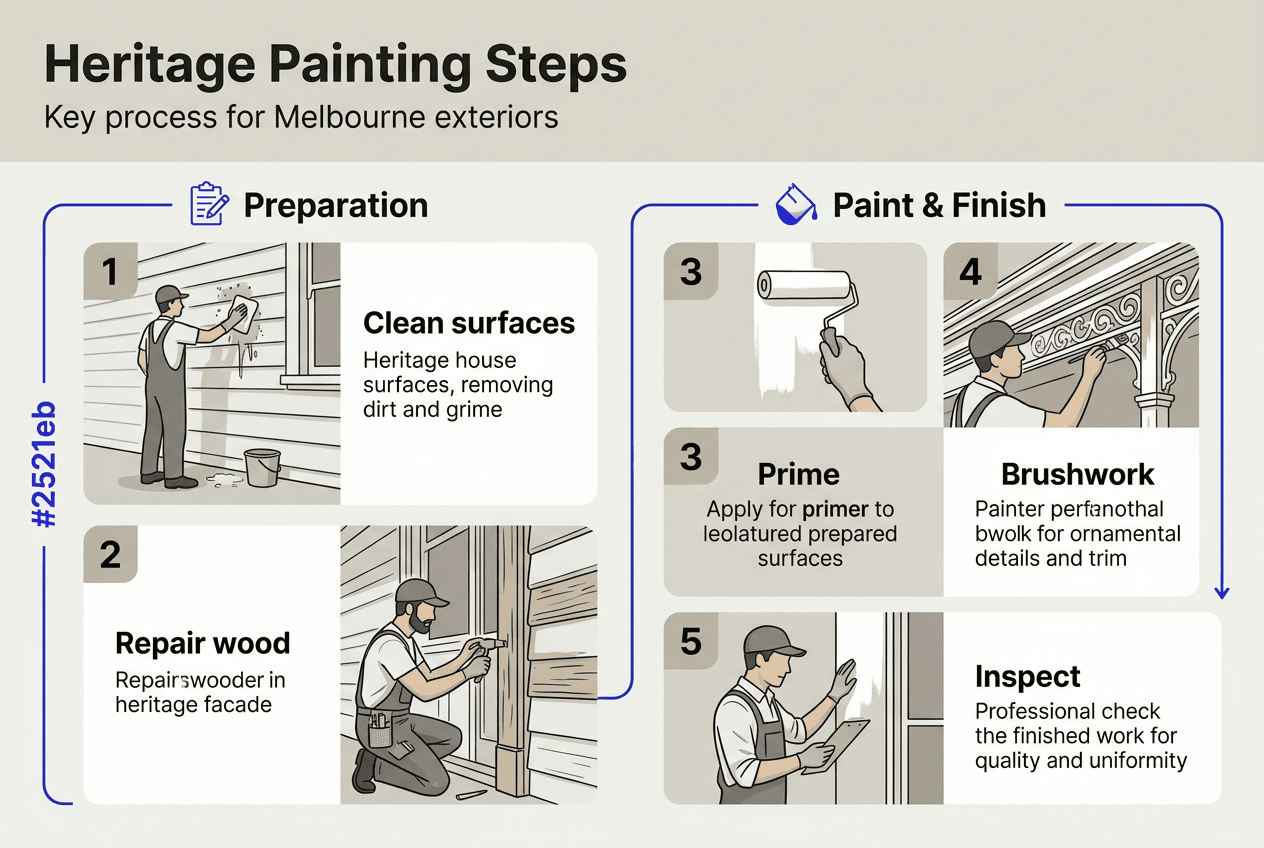
Step 1: Clean and repair the facade
Begin with thorough cleaning using gentle methods appropriate for heritage surfaces. High-pressure washing can damage soft timber and mortar, so use low-pressure water and soft brushes. Remove loose paint, dirt, mould, and biological growth. Allow surfaces to dry completely before proceeding.
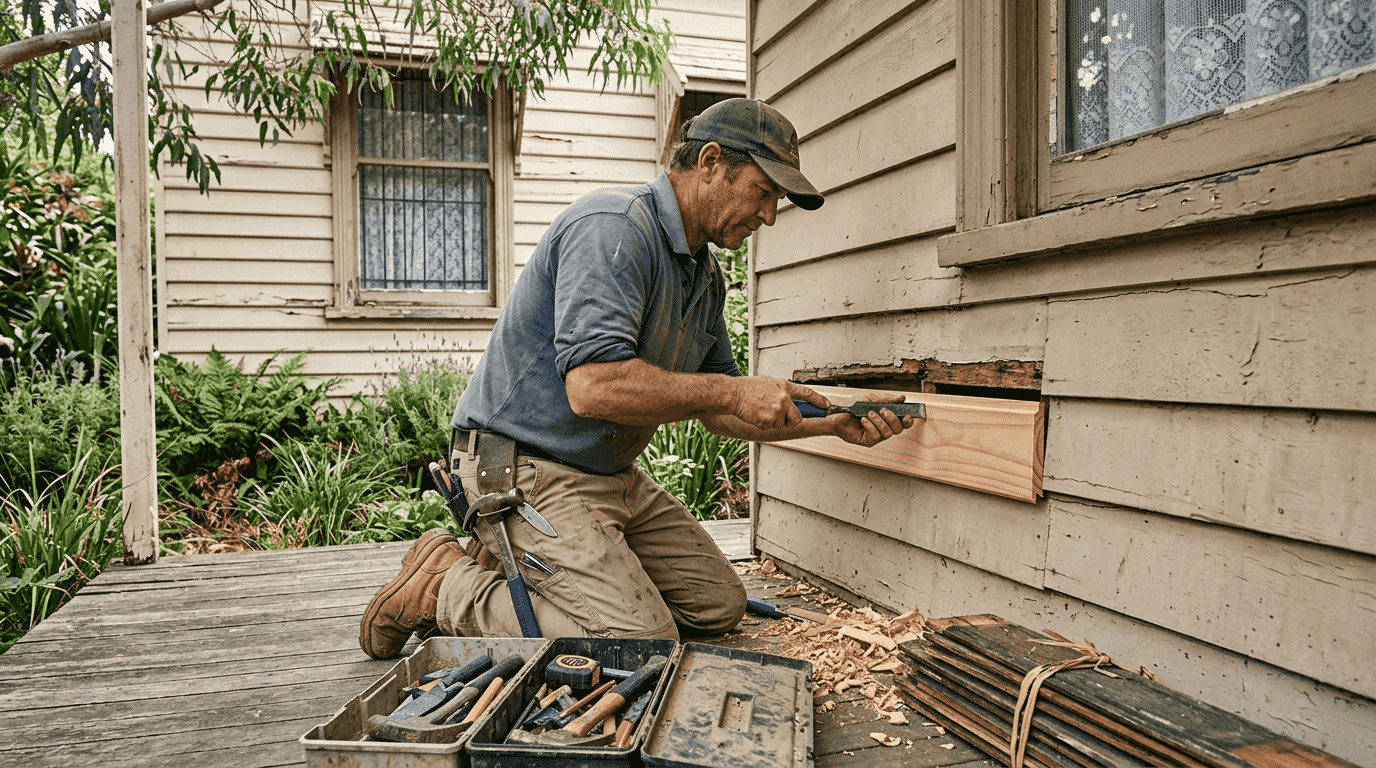
Address all structural and surface repairs before painting. Replace rotten weatherboards with matching timber profiles. Repair render cracks using lime-based mortars compatible with original materials. Fix loose or damaged decorative elements. Treat timber for borer or fungal attack if present. These repairs form the foundation for paint adhesion and longevity.
Step 2: Apply appropriate primers
Primer selection depends on substrate condition and type. Bare timber requires penetrating oil-based primers that stabilise the wood and provide a key for topcoats. Previously painted surfaces in good condition may only need spot priming on repairs. Never use thick, film-forming primers that seal the surface completely.
Apply primers in thin, even coats following manufacturer specifications. Allow proper drying times between coats. Inadequate drying prevents proper adhesion and can cause paint failure. Monitor weather conditions closely, as temperature and humidity affect drying and curing.
Step 3: Use precise brush techniques for heritage-grade paint
Brushwork quality separates professional results from amateur efforts. Load brushes properly, working paint into bristles without overloading. Apply paint in thin, even coats following the grain of timber or direction of weatherboards. Work systematically across the facade to maintain wet edges and avoid lap marks.
Pay special attention to ornamental features, mouldings, and architectural details. Use smaller brushes for intricate work, ensuring paint reaches all surfaces without pooling in corners or crevices. Multiple thin coats outperform single thick applications, providing better coverage, adhesion, and durability.
Step 4: Allow proper drying and curing time
The maintenance process isn’t finished until the paint is dry and verified. Rushing this stage invites problems. Paint may feel dry to touch but still be curing internally. Follow manufacturer recommendations for recoat times and final cure periods.
Monitor painted surfaces during drying for issues like blistering, wrinkling, or colour inconsistencies. These problems often indicate moisture issues, incompatible products, or application errors. Addressing them early prevents more extensive remediation later.
Step 5: Final inspection and maintenance advice
Conduct a thorough inspection once paint has fully cured. Check coverage, finish quality, and detail work. Verify all areas received specified coat numbers. Document the work with photos and keep records of products used, application dates, and any issues encountered.
Establish a maintenance schedule to protect your investment. Regular inspections identify minor problems before they become major repairs. Clean painted surfaces annually to remove dirt and biological growth. Touch up damaged areas promptly to prevent moisture ingress.
| Phase | Duration | Key Activities | Critical Checkpoints |
|---|---|---|---|
| Preparation | 1-2 weeks | Cleaning, repairs, substrate preparation | All repairs complete, surfaces dry, council approvals confirmed |
| Priming | 3-5 days | Primer application, drying time | Even coverage, proper adhesion, adequate drying between coats |
| Painting | 1-2 weeks | Topcoat application, detail work | Consistent colour, smooth finish, complete coverage |
| Curing | 2-4 weeks | Final drying, monitoring | No defects, proper cure, maintenance plan established |
Pro Tip: Document your project thoroughly with before, during, and after photos. This record helps with insurance claims, future maintenance planning, and demonstrates compliance with heritage requirements if you sell.
Engaging professional heritage painting services Melbourne ensures expert execution at every stage. Understanding the roof painting workflow Melbourne heritage homes helps coordinate complete exterior restoration projects.
Common mistakes to avoid and verifying your exterior painting success
Even experienced painters make errors when working on heritage properties. Understanding common pitfalls helps you avoid expensive corrections and protects your home’s fabric.
Modern shortcuts hold moisture and cause premature paint fade on heritage homes. The biggest mistake is using contemporary paint systems designed for modern construction. These products often contain plasticisers and film-forming agents that create impermeable barriers. On heritage homes, this traps moisture moving through walls, leading to paint failure, timber rot, and structural damage that may not become apparent for years.
Skipping survey and approval steps ranks as the second most costly error. Homeowners eager to start painting sometimes bypass council processes or ignore building condition assessments. This gamble rarely pays off. Unapproved work may require complete removal and repainting at your expense. Hidden structural issues discovered mid-project can halt work and blow budgets.
Overlooking minor facade damage creates major problems. Small cracks, loose weatherboards, or early-stage rot seem insignificant but worsen rapidly once sealed beneath paint. What appears as a minor repair becomes major structural work when moisture accelerates decay behind new paint. Address every defect before painting, no matter how trivial it seems.
Verification ensures your project delivers expected results. Test paint adhesion by pressing adhesive tape firmly onto cured paint and pulling sharply. Proper adhesion means paint doesn’t lift. Check colour consistency across the facade in different lighting conditions. Verify all architectural details received proper coverage without paint buildup obscuring fine features.
The determining factor is whether your development concept works with heritage values. This principle applies to painting as much as major alterations. Your paint choices, application methods, and colour selections should enhance rather than compromise your home’s historical character. Working with heritage values protects your investment and maintains property value.
Critical mistakes to avoid:
- Never use non-breathable modern paints that trap moisture in heritage substrates
- Don’t skip council approval processes or building condition surveys
- Avoid ignoring minor facade damage that worsens beneath paint
- Never rush drying times to meet artificial deadlines
- Don’t compromise on material quality to reduce costs
Success verification checklist:
- Paint adheres properly with no lifting, blistering, or peeling
- Colour matches approved samples and appears consistent across the facade
- All architectural details remain sharp and clearly defined
- No moisture issues or substrate problems visible beneath new paint
- Documentation complete including product specifications and maintenance schedule
“Heritage painting isn’t about covering old surfaces with new colour. It’s about understanding how historical buildings function, respecting their construction methods, and using compatible materials that protect rather than damage. Every decision should ask: does this work with the building’s heritage values or against them?”
Learning from exterior painting mistakes Melbourne homeowners commonly make prevents repeating costly errors. Understanding factors affecting heritage paint longevity Melbourne helps you make informed decisions about materials and methods.
Premium heritage exterior painting services tailored for Melbourne homes
Navigating heritage painting requirements, sourcing appropriate materials, and executing meticulous workmanship demands expertise most homeowners don’t possess. Sol Shine specialises in restoring Melbourne’s Victorian and Edwardian home exteriors using proven methods that respect historical fabric while delivering stunning, durable results.
We guide you through council compliance processes, helping prepare documentation and select authentic materials that satisfy heritage requirements. Our experienced painters understand the nuances of period properties, from identifying original paint schemes to applying breathable coatings that protect timber and masonry. Every project receives the detailed attention your heritage home deserves, preserving architectural charm while ensuring structural protection.
Explore our premium heritage painting services Melbourne portfolio to see completed projects across inner east and bayside suburbs. Browse our heritage painting archives for inspiration and examples of authentic restoration work. When weatherboards need replacement, our heritage weatherboard replacement Melbourne service ensures perfect profile matching and seamless integration. Choose Sol Shine to protect your investment with premium materials, expert craftsmanship, and genuine care for Melbourne’s architectural heritage.
Frequently asked questions about heritage exterior painting
What is the best type of paint for Victorian and Edwardian heritage homes?
Breathable, vapour-permeable paints specifically formulated for heritage applications work best. Look for products with low-VOC content and high breathability ratings that allow moisture vapour to pass through while protecting against liquid water. Lime-based and mineral paints often suit heritage substrates better than modern acrylics.
How long does it take to get council approval for heritage painting in Melbourne?
Council approval timeframes vary from three to eight weeks depending on your property’s heritage overlay level and application complexity. Submit detailed documentation including colour samples, product specifications, and existing condition photos. Complex applications requiring heritage advisor review take longer than straightforward repaints in approved colour schemes.
Can I do heritage exterior painting myself or should I hire specialists?
Heritage painting requires specialised knowledge of historical construction methods, material compatibility, and period-appropriate techniques. While skilled DIY enthusiasts can tackle small projects, most heritage exteriors benefit from specialist expertise. Mistakes with material selection or application methods can cause expensive damage that costs far more to rectify than hiring professionals initially.
What maintenance is needed after exterior painting to protect a heritage home?
Annual inspections identify minor issues before they escalate into major problems. Clean painted surfaces gently to remove dirt and biological growth. Check for paint failure, timber movement, or moisture issues around windows, doors, and roof junctions. Touch up damaged areas promptly to prevent water ingress. Keep gutters clear and maintain proper drainage to protect painted surfaces.
How does choosing heritage-appropriate materials affect my home’s value?
Authentic heritage restoration using appropriate materials significantly enhances property value and marketability. Buyers seeking period homes appreciate sympathetic restoration that preserves historical character. Conversely, inappropriate modern materials or colours can reduce appeal and value. Quality heritage painting demonstrates care and respect for the property, making it more attractive to discerning purchasers.
What happens if I discover lead paint during preparation?
Lead paint, common in pre-1970 homes, requires specialist handling and removal. Stop work immediately and engage licensed lead paint removers who follow safe work procedures. Never sand, scrape, or heat lead paint without proper containment and protective equipment. Council regulations and workplace safety laws mandate specific procedures for lead paint management to protect occupants and workers.
Recommended
- Roof painting workflow for Melbourne heritage homes 2026
- Premium Heritage Painting Services Melbourne | Solshine
- Heritage paint lasting 10+ years: Melbourne 2026 guide
- Heritage house paint guide Melbourne Victorian homes 2026
- Conservatory Maintenance Tips | Glass & Window Repairs Guide
- Elevating Homes: The Art of Residential Waterproofing


