
Picture this: you’re standing on the footpath outside your Victorian terrace in Hawthorn, and the once-crisp cream paintwork is lifting at the edges, blistering under the eaves, and flaking onto the front garden. It looks tired. Worse, it’s letting moisture into the timbers beneath. What started as a cosmetic issue is quietly becoming a structural one. Heritage homes in Melbourne demand a different level of care than your average brick veneer. This guide walks you through the practical steps, right tools, compliance essentials, and expert techniques to keep your home’s paintwork in excellent condition for years to come.
Table of Contents
- Understanding the importance of paint maintenance for heritage homes
- What you’ll need: Tools and materials for lasting results
- Step-by-step home painting maintenance for heritage properties
- Dealing with common painting problems in Melbourne’s climate
- Compliance tips: Heritage overlays, permits and safe practices
- How to keep your home’s paintwork looking fresh for years
- Get expert help for Melbourne heritage home painting
- Frequently asked questions
Key Takeaways
| Point | Details |
|---|---|
| Regular maintenance matters | Routine checks and minor touch-ups extend paint life on heritage homes. |
| Use the right materials | Premium, breathable paints suited for Melbourne’s climate help preserve historical features. |
| Permit rules vary | Most minor maintenance is exempt from permits but always verify with Heritage Victoria. |
| Prevention saves money | Preventative cleaning and fast repairs reduce costly restoration in future years. |
| Compliance protects value | Safe practices and correct approvals keep your home both compliant and beautiful. |
Understanding the importance of paint maintenance for heritage homes
Paint on a Victorian or Edwardian home does far more than look beautiful. It acts as the primary defence against moisture, UV radiation, and the kind of seasonal temperature swings Melbourne is famous for. When that protective layer fails, water gets into the timber, rot sets in, and what could have been a simple touch-up becomes a full restoration job costing tens of thousands of dollars.
Regular maintenance also keeps you on the right side of heritage regulations. Many Melbourne homes sit within a Heritage Overlay under local planning schemes, meaning any significant works require council approval. A heritage permit application may be needed before you start painting if the works are considered more than routine maintenance. Skipping this step can result in fines and forced reinstatement of original finishes.
The financial case for staying on top of paintwork is equally compelling:
- Moisture protection: Intact paint seals timber weatherboards and window frames against rain and humidity
- UV resistance: Quality coatings slow the degradation of timber caused by Melbourne’s harsh summer sun
- Property value: Well-maintained heritage homes command premium prices in suburbs like Kew, Camberwell, and Brighton
- Compliance: Keeping records of maintenance helps demonstrate due diligence to councils and Heritage Victoria
- Kerb appeal: First impressions matter enormously in Melbourne’s competitive property market
“Preventative painting is one of the most cost-effective ways to protect the long-term value of a heritage property. Catching problems early avoids the compounding costs of structural timber repair.”
Think of your paintwork as a living shield. It needs regular inspection, not just attention when things go wrong.
What you’ll need: Tools and materials for lasting results
Before you pick up a brush, make sure you have the right equipment. Using the wrong tools on heritage surfaces can cause irreversible damage to delicate timbers, ornate cornices, and original joinery.
Essential tools:
- Flexible scrapers and hook scrapers for lifting old paint without gouging timber
- Wire brushes for rust and loose paint on metal elements like gutters and downpipes
- Sandpaper in multiple grades (80, 120, 180 grit) for smooth surface preparation
- Quality natural-bristle brushes for oil-based primers and paints
- Synthetic brushes for water-based topcoats
- Painter’s tape and drop sheets to protect heritage features
- Safety gear: goggles, respirator mask, and non-slip ladder stabilisers
| Material | Purpose | Heritage suitability |
|---|---|---|
| Low-VOC acrylic paint | Topcoat for weatherboards | High |
| Oil-based primer | Sealing bare or repaired timber | High |
| Breathable masonry paint | Rendered surfaces and brickwork | High |
| Flexible gap filler | Sealing joints before painting | Medium |
| Linseed oil putty | Window glazing repairs | High |
| Mould-resistant additive | Wet or shaded areas | Medium |
Best practice calls for using premium products on heritage-listed homes, as cheaper paints often fail faster and can trap moisture beneath the surface. When you factor in the cost of repainting every three years versus every eight, the maths strongly favours investing upfront in premium paint for heritage homes.
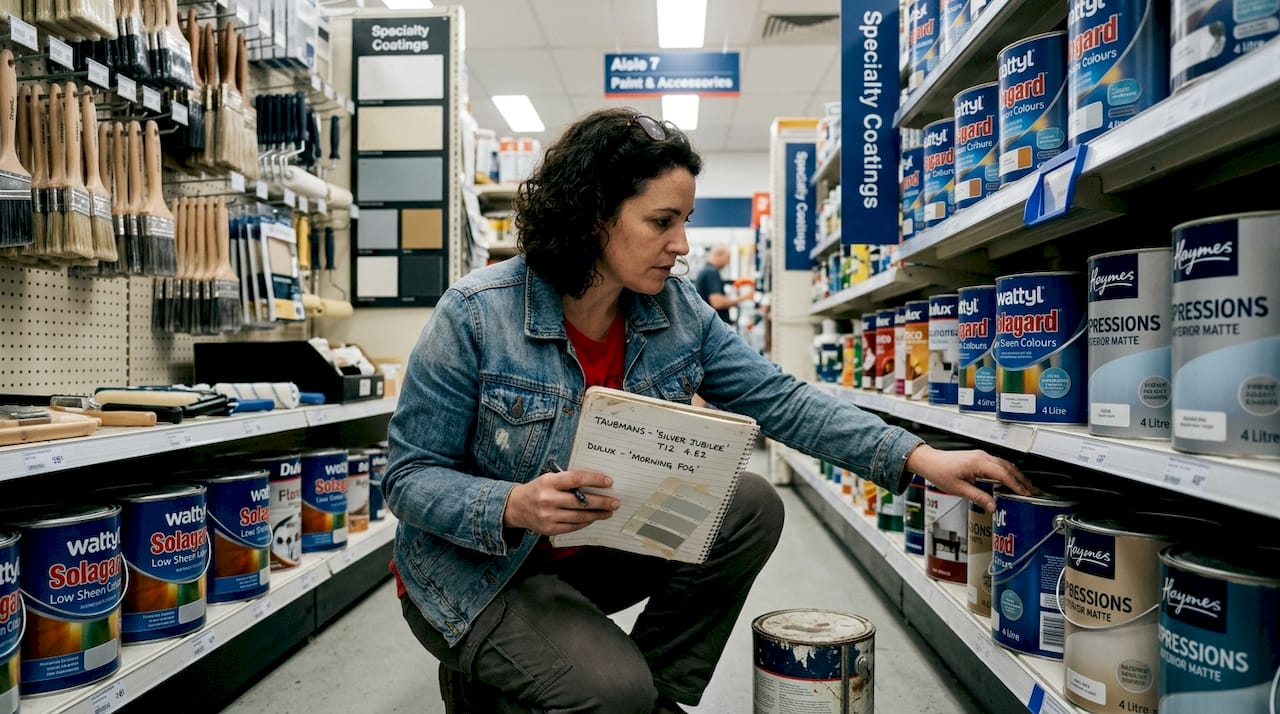
Pro Tip: Always check that your chosen paint products are compatible with Heritage Victoria guidelines before purchasing. Some heritage overlays specify finish types, sheen levels, or even colour palettes that must be respected.
Step-by-step home painting maintenance for heritage properties
A structured approach prevents mistakes and protects both the home and your investment. Here’s how to work through a maintenance repaint on a heritage property.
- Inspect thoroughly. Walk the entire exterior and look for flaking, blistering, chalking, or cracking paint. Pay close attention to south-facing walls, under eaves, and around window frames where moisture tends to collect.
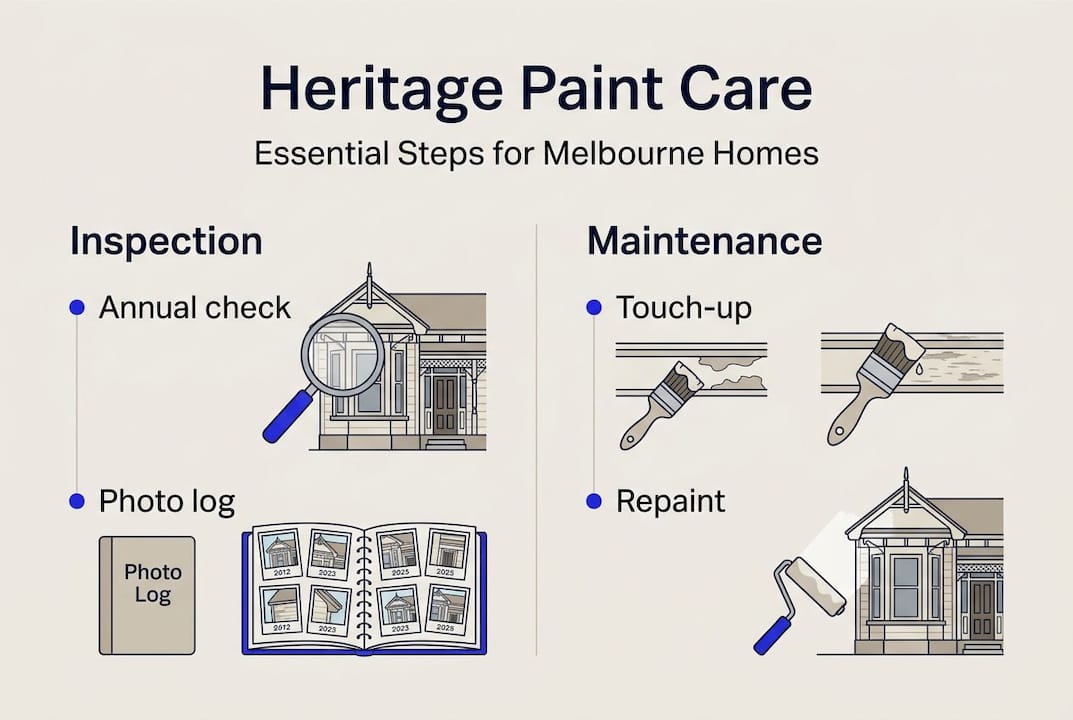
- Photograph and document. Before touching anything, photograph every heritage feature including decorative brackets, fretwork, and cornices. This protects you if questions arise later about original finishes.
- Check permit requirements. For significant repainting or colour changes, a heritage permit application may be required. Minor maintenance is generally exempt, but confirm with your local council.
- Clean all surfaces. Use a low-pressure wash or sugar soap solution to remove dirt, mould, and chalky residue. Avoid high-pressure washing on older timbers as it can force water into the grain.
- Strip and sand. Remove loose and flaking paint with scrapers and sandpaper. Feather the edges of sound paint so the new coat blends seamlessly.
- Repair timbers. Fill cracks and holes with appropriate fillers. Replace any sections of timber that are beyond repair. This is where exterior painting steps and timber restoration overlap.
- Prime bare areas. Apply an oil-based or heritage-compatible primer to all bare timber. Allow full drying time before topcoating.
- Apply topcoats. Use two coats of a quality, UV-stable paint. Work in mild weather conditions, avoiding direct sun and temperatures above 35°C.
- Clean up and dispose responsibly. Dispose of paint waste according to local council guidelines. Never pour paint down drains.
Heritage paint lasting 10+ years is achievable when each of these steps is followed carefully. Rushing surface preparation is the single biggest reason paint fails prematurely on older homes.
| Stage | Time required | Key risk if skipped |
|---|---|---|
| Inspection and documentation | 1 to 2 hours | Missing hidden damage |
| Surface cleaning | 2 to 4 hours | Poor paint adhesion |
| Stripping and sanding | 4 to 8 hours | Bubbling and peeling |
| Priming | 2 to 3 hours | Moisture penetration |
| Topcoating (two coats) | 4 to 6 hours | Fading and UV damage |
Pro Tip: Always check paint durability factors specific to your suburb. Coastal areas like Brighton face salt air, while inner-city homes in Fitzroy deal with more pollution and shade-related mould.
Dealing with common painting problems in Melbourne’s climate
Melbourne’s weather is genuinely unpredictable. Four seasons in one day is not just a saying — it’s a real challenge for paint coatings on older homes. Knowing what to look for and how to respond quickly can save you thousands.
Common problems and solutions:
- Peeling and bubbling: Usually caused by moisture trapped beneath the paint film. Strip back to bare timber, allow to dry fully, then re-prime and repaint
- Mildew and mould: Common on south-facing walls and under eaves. Clean with a diluted bleach solution, treat with a mould inhibitor, then repaint with a mould-resistant formula
- UV cracking and fading: Affects north and west-facing surfaces most. Sand back cracked areas, apply a flexible primer, and use a UV-stable topcoat
- Chalking: A powdery residue that appears on aged paint. Wash off thoroughly before repainting or the new coat won’t bond properly
- Timber swelling and shrinkage: Causes paint to crack at joints. Use a flexible filler and allow for movement in your paint system
External conditions can cause rapid paint deterioration on heritage homes, particularly where original timbers have never been replaced and have absorbed decades of moisture. Moisture and sun are the primary threats, and both require specific product choices to manage effectively.
For homes with timber window damage, addressing the source of moisture before repainting is essential. Painting over a wet or rotting frame is a short-term fix that will fail within months.
“Minor maintenance generally does not require a permit under Heritage Overlay provisions, but any change to the character or appearance of a heritage place — including significant colour changes — may trigger the need for council approval. When in doubt, check the heritage painting guidelines before proceeding.”
For long-lasting paint results in Melbourne’s climate, always choose products rated for high UV exposure and temperature variation.
Compliance tips: Heritage overlays, permits and safe practices
Compliance is not optional when you own a heritage-listed property. Getting it wrong can be costly, both financially and in terms of the damage done to irreplaceable historic fabric.
What you need to know:
- Major works require a permit: Structural changes, significant colour alterations, or removal of heritage fabric generally require approval from Heritage Victoria or your local council
- Minor maintenance is usually exempt: Routine repainting in the same colour and finish is typically exempt from permit requirements
- Fines apply for unapproved works: Councils can issue enforcement notices and require you to reinstate original finishes at your own cost
- Lead paint is a real risk: Homes built before 1970 almost certainly contain lead paint. Safe removal requires a respirator, protective clothing, and correct disposal
- Working at heights: Any work above 2 metres requires appropriate scaffolding or ladder safety measures under Victorian workplace safety laws
Heritage permit requirements are clearly outlined by Heritage Victoria, and your local council’s planning department can advise on what applies to your specific property. Don’t assume — always confirm.
“Engaging a specialist who understands heritage painting safety and compliance requirements is the surest way to avoid costly mistakes on protected properties.”
If you’re unsure whether your planned works need approval, a specialist heritage painter can help you navigate the process before you start.
How to keep your home’s paintwork looking fresh for years
Maintaining paintwork on a heritage home is not a once-a-decade event. It’s an ongoing commitment that pays dividends in both property value and structural integrity.
Smart maintenance habits:
- Annual inspections: Walk the perimeter every spring and look for early signs of failure, particularly after winter rains
- Gentle cleaning: Wash painted surfaces with mild detergent and a soft brush twice a year to prevent dirt and mould build-up
- Touch up chips immediately: Small areas of bare timber exposed to weather can deteriorate within weeks. Keep a small quantity of matching paint on hand
- Fix gutters and drainage promptly: Overflowing gutters are one of the most common causes of paint failure on heritage homes. Water running down walls saturates timber and lifts paint quickly
- Inspect window putty: Cracked or missing glazing putty allows water into the frame. Repoint with linseed oil putty as needed
- Trim vegetation: Shrubs and climbing plants holding moisture against painted surfaces accelerate deterioration
Preventative painting saves significant time and money compared to reactive restoration. A small investment in annual maintenance can extend the life of a full repaint by several years.
For guidance on maximising longevity, the heritage paint care resources available online are worth bookmarking as a reference.
Pro Tip: Keep a maintenance log for your property. Record every inspection, touch-up, and full repaint with dates, products used, and photos. This documentation is invaluable if you ever need to apply for a heritage permit or sell the property.
Get expert help for Melbourne heritage home painting
Sometimes the surest way to protect your classic Melbourne home is to bring in people who do this every day. Heritage paintwork is unforgiving of shortcuts, and the compliance landscape adds another layer of complexity that catches many homeowners off guard.

At Sol Shine, we specialise in interior painting and exterior painting for Victorian, Edwardian, and heritage homes across Melbourne’s inner east, bayside, and surrounding suburbs. Our team understands the specific demands of older homes, from lead paint management to Heritage Overlay compliance and timber restoration. We handle everything under one roof, so you don’t need to coordinate multiple trades. If your home needs more than a fresh coat, our heritage painting specialists can assess the full scope and provide an honest, detailed quote. Contact Sol Shine today for an on-site consultation.
Frequently asked questions
Do I always need a permit for painting a heritage home in Melbourne?
You only need a permit for major works. Most minor maintenance repainting in the same colour is exempt, but always confirm with Heritage Victoria or your local council before starting.
What’s the best type of paint for Victorian or Edwardian homes?
Premium, low-VOC, breathable paints are strongly recommended for heritage properties, as they allow moisture to escape without trapping it beneath the film and last significantly longer than budget alternatives.
How often should I repaint or touch up my Melbourne heritage home?
Spot touch-ups should happen annually, while a full repaint every 7 to 10 years is typical when paint is maintained properly with regular inspections and prompt repairs.
What are the biggest threats to paintwork in Melbourne’s weather?
Moisture and UV exposure are the two main culprits. Paint protecting Victorian homes from Melbourne’s variable climate needs to be both flexible and UV-stable to resist cracking, peeling, and fading over time.


