
Painting a Victorian or Edwardian home in Melbourne is not simply a matter of choosing a colour and picking up a brush. These properties carry decades of layered history, delicate ornate features, and ageing substrates that demand a level of skill most general painters and DIY enthusiasts simply do not possess. When your project sits above $20,000, the stakes are high. A misstep in material selection or surface preparation can cause lasting structural damage, strip away period authenticity, and cost far more to fix than the original job. Understanding what experienced tradespeople actually bring to heritage painting is the first step toward protecting your investment.
Table of Contents
- Why expert tradespeople matter in heritage painting
- Unique challenges of painting Victorian and Edwardian homes
- Essential processes: What tradespeople do differently
- Comparing DIY and professional painting outcomes
- How tradespeople future-proof heritage paintwork
- Expert help for your Melbourne heritage home
- Frequently asked questions
Key Takeaways
| Point | Details |
|---|---|
| Heritage expertise drives outcomes | Professional tradespeople address unique structural and aesthetic needs, leading to longer-lasting, authentic finishes. |
| Prep work is critical | Up to half the project’s time and cost are spent on essential preparation in old homes. |
| Authentic materials preserve value | Using conservation-grade paints and skills ensures both compliance and period charm. |
| DIY carries high hidden risks | Missing structural issues or using the wrong products can quickly undo your investment. |
| Professional painting increases property longevity | Properly finished Victorian and Edwardian homes enjoy extended lifespans and greater buyer appeal. |
Why expert tradespeople matter in heritage painting
Heritage painting is a discipline that sits at the intersection of skilled trades and conservation. Many homeowners assume that any competent painter can handle a Victorian terrace or an Edwardian weatherboard home. In practice, the differences in outcome are significant. Experienced tradespeople know how to read a building. They identify substrate problems, hidden rot, and failing render before a single drop of paint is applied.
This matters because professional jobs last 7-12 years compared to shorter DIY results, and early involvement from skilled tradespeople flags hidden costs like structural rot before they escalate. Catching these issues early is not just about aesthetics. It protects the structural integrity of your home.
When hiring heritage specialists, you also gain access to period-appropriate paint knowledge, compliance with local heritage overlays, and the kind of careful handling that ornate plasterwork and timber trims require. General painters often lack this background.
“The right tradesperson does not just paint your home. They assess, advise, and protect it.”
Key advantages of working with qualified tradespeople include:
- Identification of rot, damp, and substrate failure before painting begins
- Correct selection of breathable, heritage-compliant paint systems
- Careful treatment of ornate cornices, fretwork, and period timber trims
- Compliance with local council heritage overlays and guidelines
- Longer-lasting finishes that preserve both beauty and property value
Following heritage painting best practices is not optional on these properties. It is the foundation of a result that lasts. You can also explore maintenance tips for heritage painting to understand how ongoing care extends the life of professional work.
Unique challenges of painting Victorian and Edwardian homes
Melbourne’s older homes present a set of technical challenges that catch many painters off guard. The materials used in Victorian and Edwardian construction behave very differently from modern substrates, and the consequences of ignoring this are costly.
Preparation is the most demanding phase. An interior repaint of a 3-bedroom Victorian typically costs between $6,000 and $14,000, with ornate features adding 20 to 30 per cent to that figure, and preparation alone accounts for 40 to 50 per cent of total project time. Rushing this phase is one of the most common and expensive mistakes made on heritage properties.
The specific challenges tradespeople navigate include:
- Weatherboard exteriors with multiple layers of old paint that must be carefully assessed and prepared
- Ornate plasterwork, ceiling roses, and timber fretwork that require hand preparation rather than mechanical sanding
- Ageing render that may be cracked, hollow, or delaminating beneath the surface
- Access challenges on multi-storey Victorian terraces and Edwardian villas
“Skipping proper substrate assessment on a heritage home is not a shortcut. It is a guarantee of future failure.”
One of the most serious risks involves paint selection. Using non-breathable modern paints on old weatherboards or lime-based plaster traps moisture inside the wall system. This leads to blistering, peeling, and in severe cases, timber decay. A thorough substrate survey and paint selection process is essential before any coating is applied.
Pro Tip: Always ask your painter whether they have assessed the substrate type before recommending a paint system. On pre-1940s homes, the answer to this question tells you a great deal about their experience level.
Understanding the step by step painting process used by specialists, and the role of premium paint for heritage homes, helps you ask the right questions before work begins.
Essential processes: What tradespeople do differently
The methods used by experienced heritage tradespeople are methodical and deliberate. Every stage of the process is designed to protect the building and deliver a finish that holds up over time.
Here is how a professional heritage painting project typically unfolds:
- Initial survey and condition assessment of all surfaces, including probing for rot, testing for moisture, and identifying failing substrates
- Repair of underlying structure, including filling, stabilising, or replacing damaged weatherboards, plaster, and render
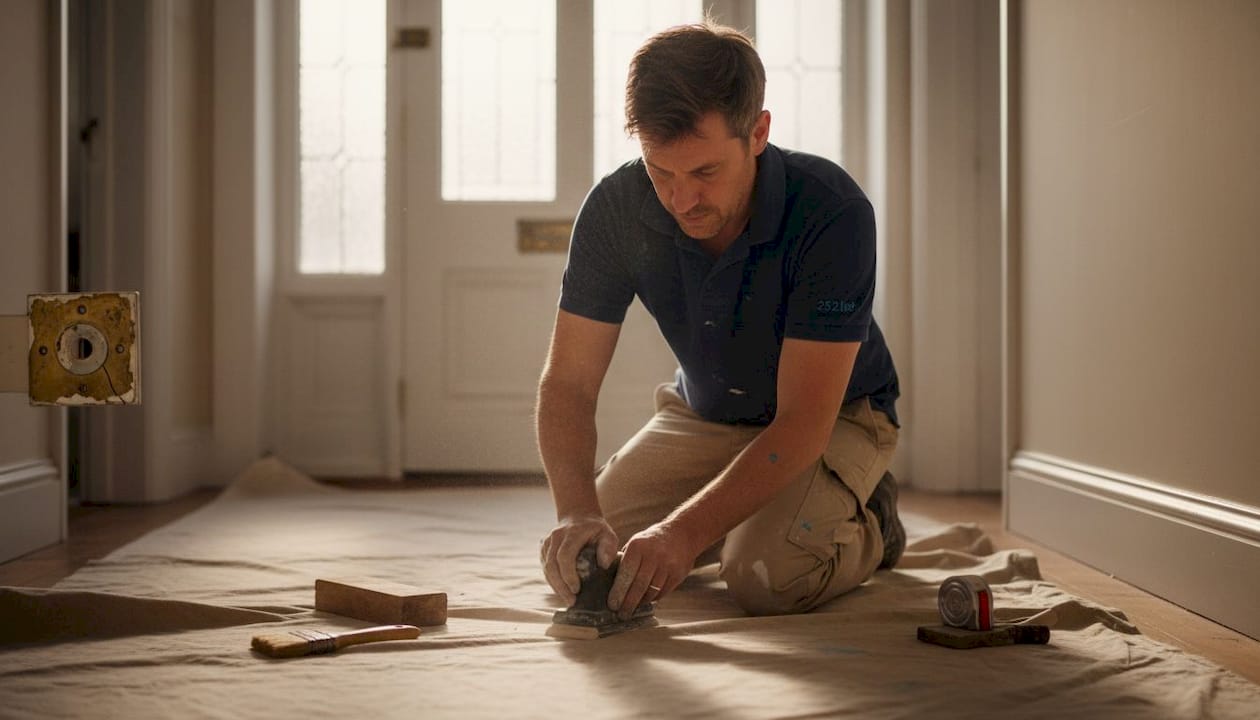
- Hand preparation of ornate features, including chiselling back loose material, filling cracks, and sanding by hand where machinery would cause damage
- Application of a breathable primer suited to the substrate, whether timber, masonry, or lime plaster
- Selection of period-accurate colours and sheens, matched to the home’s original palette and local heritage guidelines
- Staged topcoat application with appropriate drying times between coats
Prep alone accounts for 40-50% of extensive repaint projects in homes built before 1970. This is not inefficiency. It is the reason professional results last.
The table below outlines key product considerations for heritage painting:
| Surface type | Recommended system | Key consideration |
|---|---|---|
| Timber weatherboards | Breathable acrylic or oil-based primer, premium topcoat | Moisture management is critical |
| Lime plaster (interior) | Mineral or limewash-compatible primer | Must allow vapour transmission |
| Ornate timber trims | Hand-applied oil-based undercoat | Preserves fine detail and edge definition |
| Masonry render | Flexible, breathable masonry paint | Accommodates minor movement |
Using conservation-grade heritage paints ensures the coating system is reversible and compatible with the original building fabric. This matters for both longevity and heritage compliance. Explore surface preparation essentials and the difference between premium vs standard paints to understand why product choice is never a minor decision on these projects.
Pro Tip: Period colours are not just an aesthetic choice. On properties under a heritage overlay, using historically inaccurate colours can trigger council objections. Always verify your palette against local guidelines before committing.
Comparing DIY and professional painting outcomes
The financial and practical gap between DIY or generalist painting and specialist heritage work is wider than most homeowners expect. Let’s look at the comparison directly.
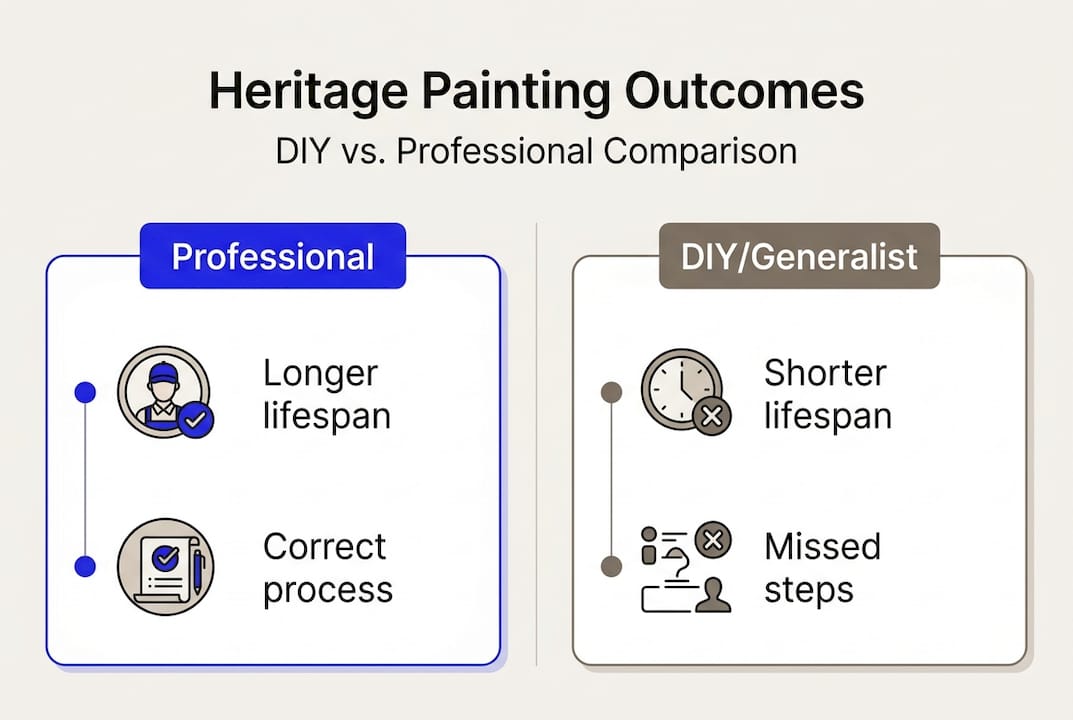
| Factor | Professional heritage painter | DIY or generalist painter |
|---|---|---|
| Job lifespan | 7 to 12 years | Often 2 to 5 years |
| Substrate assessment | Thorough, documented | Typically absent |
| Period authenticity | Colour-matched, compliant | Often approximate |
| Hidden damage detection | Identified before painting | Frequently missed |
| Property value impact | Positive, documented | Neutral or negative |
| Risk of future failure | Low | High |
Professional jobs last 7-12 years, and Victorian features that are treated correctly add 20 to 30 per cent to project costs but vastly improve longevity and structural integrity. The upfront investment in specialist work pays for itself many times over when you consider the cost of repainting every few years or repairing damage caused by incorrect products.
Beyond durability, there is the question of authenticity. A Victorian home painted in the wrong sheen or with colours that clash with its period character loses something that is very difficult to recover. Buyers in Melbourne’s heritage suburbs notice this. It affects both the emotional appeal and the market value of the property.
The risks of skipping specialist expertise include:
- Missing concealed rot or damp that worsens under new paint
- Applying non-breathable coatings that accelerate timber decay
- Losing heritage overlay compliance, which can complicate future sales or renovations
- Repainting within three to five years rather than enjoying a decade of quality results
Review the paint longevity guide for a detailed look at what makes professional finishes last, and explore Melbourne heritage painting experts to understand the standard of work available in your area.
How tradespeople future-proof heritage paintwork
A quality heritage painting project does not end when the last coat dries. Experienced tradespeople help you plan for the long term, ensuring the investment you have made continues to perform and protect your home.
Key ways professionals future-proof their work include:
- Maintenance schedules: Providing clear guidance on inspection intervals, touch-up timing, and what to watch for between major repaints
- Climate-appropriate product selection: Choosing systems that account for Melbourne’s variable weather, including UV exposure, humidity, and temperature fluctuation
- Documentation: Recording the paint systems, colours, and products used, which is invaluable for future renovations or property sales
- Heritage compliance records: Keeping notes on council approvals and colour selections that support future applications
Early builder involvement can flag hidden costs and prevent future paint failure and property damage. This proactive approach is one of the clearest distinctions between a specialist and a generalist.
Pro Tip: Ask your tradesperson to provide a written record of all products used, including brand, colour code, and sheen level. This document is worth keeping with your property records and will save significant time and cost on future repaints.
For ongoing care, the maintenance tips for long-term results resource covers what to monitor between professional visits. You can also learn about sustainable heritage painting approaches that reduce environmental impact without compromising quality or authenticity.
Expert help for your Melbourne heritage home
If your home is a Victorian or Edwardian property and your project sits above $20,000, the quality of the tradespeople you engage will determine the outcome for the next decade or more. Sol Shine specialises in exactly this kind of work, bringing together skilled painters and heritage restoration tradespeople under one roof.

Whether you are planning an exterior repaint, restoring ornate interior features, or managing a full heritage restoration, Sol Shine’s team handles every stage with precision and care. Explore our Melbourne heritage painting services to see the scope of work we deliver, browse interior painting solutions for inspiration, or read our heritage restoration insights to understand how professional restoration adds measurable value to properties above $2 million. Get in touch with our team to discuss your project and receive tailored advice.
Frequently asked questions
What qualifications should a heritage painter in Melbourne have?
Look for tradespeople with hands-on experience in pre-1940s restorations, demonstrated knowledge of period paint systems, and familiarity with local heritage overlay requirements. Victorian homes require deep knowledge of period features and paint systems that most general painters do not carry.
Why does painting a Victorian home cost more than a modern one?
Victorian homes feature ornate trim, delicate plasterwork, and ageing substrates that demand intensive preparation and authentic materials. Ornate Victorian features add 20 to 30 per cent to painting project costs compared to standard modern homes.
How often should heritage paints be reapplied?
With the right products and preparation, professional heritage paintwork performs well for many years. Professional jobs last 7-12 years depending on conditions, maintenance, and the quality of the original application.
What are the risks of using standard modern paints on old homes?
Standard modern paints are often non-breathable and incompatible with lime plaster or aged timber. Non-breathable modern paints can cause blistering, peeling, and moisture entrapment that leads to serious timber decay over time.
Is it worth hiring a specialist for a project around $20,000?
Absolutely. At this investment level, the cost of getting it wrong, through missed damage, incorrect products, or early paint failure, far outweighs the premium for specialist expertise. Early builder involvement flags hidden costs and protects both the property and the investment from the outset.


