
TL;DR:
- Heritage painting techniques ensure authentic, durable finishes by matching traditional methods and materials to the building’s specific substrate. Selecting the appropriate technique, such as buon fresco or egg tempera, along with using natural pigments and proper surface preparation, is essential for long-lasting restoration. Engaging experienced professionals helps preserve historic craftsmanship while avoiding costly mistakes and damage.
Heritage painting techniques are the specialised traditional methods used to replicate, restore, and preserve the authentic finishes of period homes through historically accurate materials and processes. For Victorian and Edwardian homeowners in Melbourne’s inner east and bayside suburbs, choosing the right method is not a stylistic preference. It is a structural and heritage obligation. This guide covers the core techniques, from buon fresco and egg tempera to natural pigment palettes, giving you the practical knowledge to approach your restoration with confidence and authenticity.
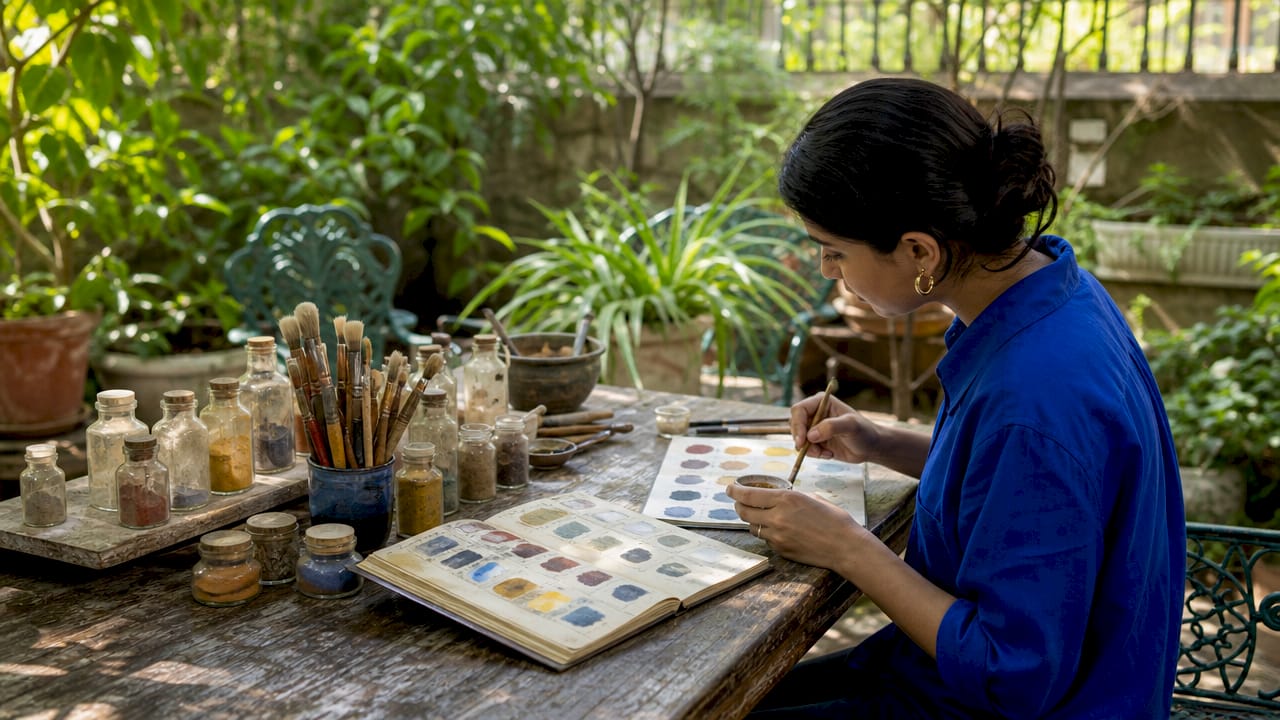
1. What is buon fresco and why does it matter for wall restoration?
Buon fresco is the most durable of all traditional wall painting methods, and it is the correct choice for authentic plaster wall restoration in heritage properties. The technique involves painting pigments mixed with water directly onto freshly laid lime plaster, where the pigment bonds chemically with the plaster as it carbonates and hardens. The result is a finish that becomes part of the wall itself rather than sitting on top of it.
The plaster system uses two distinct layers. The arriccio is the rough base coat, and the intonaco is the smooth finish layer applied fresh each day. Because the intonaco must remain wet for the pigment to bond, the painter works in sections called giornata, meaning a single day’s work area. Timing and planning are critical to this process. Too much plaster laid at once means the surface dries before the work is complete, and the chemical bond fails.
Key considerations for buon fresco restoration:
- Apply intonaco only over the area you can paint within one session
- Use only water-soluble, lime-compatible pigments such as ochres, umbers, and iron oxides
- Avoid copper-based pigments like azurite and malachite, which are prone to blackening in alkaline fresco environments
- Work from the top of the wall downward to prevent drips onto fresh sections
- Allow each giornata to cure fully before assessing colour, as fresco lightens significantly on drying
“Fresco is not a painting on a wall. It is a painting that is the wall. That distinction defines every decision you make during restoration.”
Pro Tip: If you are restoring an existing fresco surface, test the plaster for alkalinity before selecting pigments. Copper-based colours that appear stable in isolation can deteriorate rapidly when exposed to the lime chemistry of the original substrate.
Buon fresco is demanding, but no other method produces the same depth of finish or longevity on lime plaster walls. For heritage homes with original render, it is the most historically accurate option available.
2. How does egg tempera work for decorative panel restoration?
Egg tempera is the defining medium for decorative panel painting in historic homes, and its revival in classical realism confirms its continued relevance in authentic art restoration. The medium combines dry pigment with egg yolk as the binder, producing a fast-drying, luminous paint film that is chemically stable over centuries when applied correctly.
Surface preparation is non-negotiable with egg tempera. The support must be rigid. Canvas is unsuitable because the paint film cracks on flexible substrates. Traditional timber panels, sized and coated with multiple layers of gesso, provide the correct foundation. Each gesso layer is sanded back before the next is applied, building a surface that is smooth, absorbent, and dimensionally stable.
Application technique differs fundamentally from oil painting:
- Egg tempera dries within minutes, making wet-on-wet blending impossible
- Tonal gradation is achieved through hatching and cross-hatching with fine brushes
- Colour is built up in thin, translucent layers over multiple sessions
- Corrections require overpainting rather than lifting wet paint
- The finished surface has a distinctive shimmering quality not replicable with modern synthetic media
Pro Tip: Mix egg tempera in small batches only. The egg yolk binder degrades within a day, and old medium produces a weak, flaking paint film. Fresh medium every session is not optional.
The colour palette for egg tempera in heritage restoration typically draws from earth pigments: yellow ochre, raw sienna, burnt umber, terre verte, and lead white where appropriate. These pigments are chemically compatible with the egg yolk binder and produce the warm, refined tones characteristic of period decorative work. For homeowners restoring Victorian joinery or decorative wall panels, egg tempera applied over properly prepared gesso is the most historically faithful method available. You can also explore how Victorian cabinet finishes complement tempera-painted decorative elements in period interiors.
3. Which natural pigments define authentic heritage colour palettes?
The authentic look of heritage painting comes from the pigments, not the technique alone. Natural earth and mineral pigments produce colour qualities that synthetic alternatives cannot replicate, and using the wrong pigments in a restoration project is one of the most common and costly mistakes homeowners make.
Traditional palettes draw from a limited range of sources:
- Yellow and red ochres from iron oxide minerals, stable across all media and surfaces
- Raw and burnt umber from manganese-rich earth, producing warm neutral tones
- Charcoal black from carbonised plant or bone material, compatible with lime and gesso
- Terre verte from celadonite clay, the standard cool green in historic European painting
- Lead white (or lime white in fresco) as the primary lightening agent in period work
Kerala’s traditional mural system, the Panchavarnam, illustrates how a restricted five-colour palette using lime, earth minerals, charcoal, and plant-derived green produces finishes of extraordinary richness and longevity. The lime and sand base itself acts as the white pigment and structural support. This approach, using the minimum number of chemically compatible pigments, is the correct model for heritage restoration anywhere.
| Pigment | Source | Compatibility |
|---|---|---|
| Yellow ochre | Iron oxide mineral | Fresco, tempera, oil, lime wash |
| Burnt sienna | Calcined iron earth | All media |
| Charcoal black | Carbonised plant material | Fresco, tempera, distemper |
| Terre verte | Celadonite clay | Tempera, fresco |
| Azurite | Copper carbonate mineral | Tempera only (avoid fresco) |
Warm earth tones and complementary shading define authentic heritage palettes, not bright or synthetic colours. Traditional folk-art palettes use colours like burnt sienna, Hauser dark green, and buttermilk, and deliberately avoid pure black or pure white for naturalistic effects. This principle applies equally to Victorian and Edwardian interior finishes.
Pro Tip: When sourcing pigments for a restoration project, request a certificate of origin and chemical composition from your supplier. Natural and synthetic versions of the same colour name behave very differently in lime-based media, and substituting one for the other can cause premature failure.
4. How to match heritage painting methods to different surfaces
Selecting the right historic painting practice for your specific surface is where most DIY restoration projects go wrong. The method must suit the substrate, the existing condition of the surface, and the finish you are trying to replicate. Getting this wrong means either a failed paint film or, worse, damage to original fabric that cannot be undone.
Plaster walls and ceilings are the natural home of fresco and lime wash. If the original plaster is sound, lime wash applied in multiple thin coats over a clean, damp surface produces a breathable, period-correct finish. Buon fresco is appropriate where decorative painted surfaces are being restored or replicated from scratch on new lime render.
Timber surfaces, including skirtings, architraves, window frames, and decorative joinery, suit oil-based or egg tempera finishes depending on the level of decorative detail required. For flat painted timber, a traditional oil paint system using linseed oil as the binder produces the correct sheen and flexibility. For decorative panels or carved elements, egg tempera over gesso is the most historically accurate approach. Reviewing interior painting prep for heritage homes before starting any timber work will save significant rework.
Masonry and brick respond well to mineral paints such as Keim Mineral Paints, which bond to the substrate through silicification rather than forming a surface film. This is the conservation-preferred method for painted masonry facades on Victorian terraces and Edwardian bungalows.
Common pitfalls to avoid:
- Applying acrylic paint over original lime plaster traps moisture and causes spalling
- Using oil paint on damp or alkaline masonry leads to saponification and paint failure
- Skipping surface consolidation on friable plaster before painting causes delamination
- Choosing colours from a modern paint range without referencing period-accurate palettes
For guidance on period-appropriate colour selection, cross-referencing your paint choices against documented historical records or heritage paint ranges from suppliers like Haymes or Murobond gives you the best chance of an authentic result. Avoiding the costliest painting mistakes in heritage homes starts with understanding which materials belong on which surfaces.
Pro Tip: Before any painting work begins on an original surface, carry out a paint scrape analysis. A professional conservator or experienced heritage painter can read the layer sequence and identify the original colour and medium, giving you a factual basis for your restoration rather than a guess.
Key takeaways
Heritage painting techniques produce authentic, durable results only when the method, pigments, and surface preparation are matched correctly to the substrate and historical context.
| Point | Details |
|---|---|
| Match method to substrate | Fresco suits lime plaster, egg tempera suits rigid timber panels, mineral paint suits masonry. |
| Use natural pigments | Earth and mineral pigments are chemically compatible with traditional media and produce period-accurate colour. |
| Prepare surfaces correctly | Multiple gesso layers for tempera, fresh intonaco for fresco, and consolidation for friable plaster are non-negotiable. |
| Avoid synthetic substitutes | Acrylic and synthetic pigments behave differently in lime and gesso systems and can cause premature failure. |
| Plan giornata sections carefully | Fresco requires precise daily planning to complete each plaster section before carbonation locks out the pigment bond. |
Why authentic methods are worth the extra effort
I have worked on enough Victorian and Edwardian homes in Melbourne to say this plainly: the gap between a heritage restoration done with authentic methods and one done with modern substitutes is visible within five years. Not just aesthetically, but structurally.
The most common misconception I encounter is that traditional techniques are slower and therefore more expensive without producing a proportionally better result. That calculation ignores the maintenance cycle. A lime wash finish on original plaster, applied correctly, is breathable and self-repairing at a micro level. An acrylic coat over the same surface traps moisture, and within a decade you are dealing with spalling, delamination, and render failure. The authentic method costs more upfront and saves significantly over the life of the building.
The other thing homeowners underestimate is the sourcing challenge. Natural pigments, genuine rabbit-skin glue for gesso sizing, and slaked lime putty of the right age are not available at your local hardware store. Knowing where to source these materials, and how to verify their quality, is as much a part of the craft as the application itself. I would always recommend engaging a specialist who works with these materials regularly rather than attempting to source and mix them without prior experience.
What I find genuinely rewarding about this work is that it connects a building to its original makers. When you apply a lime wash in the same way it was applied in 1895, you are not just preserving a surface. You are preserving a method, a standard of care, and a set of values about what a well-built home deserves.
— Jarrad
Restore your period home with Sol Shine’s heritage expertise
Sol Shine brings the same respect for traditional methods to every heritage restoration project across Melbourne’s inner east and bayside suburbs, from Kew and Hawthorn to Brighton and Camberwell.

Whether your project involves lime wash on original plaster, oil-based finishes on Victorian timber trim, or a full façade restoration on an Edwardian terrace, Sol Shine handles surface preparation, paint selection, and finish application under one roof. Every project is approached with the craftsmanship and material knowledge that period homes require. Browse Sol Shine’s heritage painting portfolio to see how traditional methods translate into refined, lasting results, and get in touch for a tailored quote on your restoration project.
FAQ
What is the difference between buon fresco and fresco secco?
Buon fresco involves painting onto wet lime plaster so the pigment bonds chemically with the wall as it carbonates, producing a permanent, durable finish. Fresco secco is painted onto dry plaster using a binder such as lime water or casein, which is less durable and more prone to flaking over time.
Can egg tempera be used on walls or only on panels?
Egg tempera is suited to rigid supports only, as the paint film cracks on flexible surfaces. It is the correct medium for decorative timber panels, carved joinery, and gesso-coated architectural elements, but it is not appropriate for large wall surfaces, where fresco or lime wash are the historically accurate alternatives.
Which pigments should be avoided in lime-based heritage painting?
Copper-based pigments including azurite and malachite should be avoided in fresco and lime wash applications because they are prone to blackening in alkaline environments. Earth pigments such as ochres, umbers, and charcoal black are the safest and most historically accurate choices for lime-based media.
How do I know which heritage painting method suits my home?
The correct method depends on the substrate, the existing surface condition, and the period of the building. Lime plaster walls suit fresco or lime wash, timber surfaces suit oil-based or tempera finishes, and masonry suits mineral paints. A paint scrape analysis by a heritage specialist will identify the original materials and guide the correct restoration approach.
Is it necessary to use a professional for heritage painting restoration?
For any project involving original fabric, specialist materials, or heritage listing obligations, professional involvement is strongly recommended. Incorrect material choices or surface preparation on original plaster or joinery can cause irreversible damage that costs significantly more to remediate than the original restoration would have.


