
Melbourne’s heritage homes carry a character that newer builds simply cannot replicate. Terracotta tiles, pressed metal ceilings, slate roofing and corrugated iron have weathered decades of the city’s unpredictable climate, from scorching summers to cold, damp winters. That resilience is admirable, but it also means these surfaces need careful, informed attention when it comes to cleaning and maintenance. Use the wrong technique or the wrong product, and you risk stripping protective glazes, cracking aged tiles, or accelerating rust on original ironwork. This guide walks you through practical, safe strategies for cleaning and maintaining your heritage roof, protecting both its original character and your property’s long-term value.
Table of Contents
- Assessing your heritage roof before cleaning
- Best cleaning methods for different heritage roof materials
- Essential tools, safety equipment, and protective measures
- How to maintain a clean roof and avoid common mistakes
- A fresh perspective on keeping heritage roofs in top shape
- Protect and enhance your heritage roof with expert help
- Frequently asked questions
Key Takeaways
| Point | Details |
|---|---|
| Assess roof condition first | Always inspect heritage roofs for damage and material type before starting any cleaning project. |
| Choose gentle techniques | Select cleaning methods suitable for your roof material to prevent irreversible damage. |
| Prioritise safety | Use proper safety gear, work with a partner, and avoid climbing on fragile surfaces alone. |
| Avoid common mistakes | Never use high-pressure hoses or harsh chemicals on heritage roofs. |
| Think long-term | Routine gentle maintenance and early repairs best preserve your home’s original roof and value. |
Assessing your heritage roof before cleaning
Once you recognise the special care required, your first step is thorough assessment. Rushing into cleaning without understanding what you are working with is one of the most common and costly mistakes heritage homeowners make.
Begin with a careful visual inspection from the ground using binoculars, or from a safely positioned ladder. Look for:
- Cracked, chipped, or missing tiles
- Moss, lichen, or algae growth
- Rust patches or corrosion on metal sections
- Lifted or loose sheeting
- Sagging or soft timber beneath the roofline
- Signs of previous repairs that may have used incompatible materials
Identifying your roof material is equally important. Melbourne’s Victorian and Edwardian homes typically feature terracotta tiles, slate, corrugated iron, or pressed metal. Each material has different tolerances for cleaning methods, water pressure, and chemical products. Mixing up your approach can cause irreversible damage.
Document what you find. Photograph problem areas and note the location of any repairs. This record becomes valuable when consulting tradespeople or heritage bodies. Regular assessments help preserve original roof structures and prevent costly damage that compounds over time.
“Before any cleaning or maintenance work begins on a heritage property, a thorough condition assessment is essential. Original materials are often irreplaceable, and what looks like surface grime may be concealing fragile substrates underneath.”
If your property is listed or in a heritage overlay, check whether your planned works require approval. The heritage permits advice from Heritage Victoria outlines when permits are needed for works beyond basic cleaning. For broader guidance on keeping your exterior in good order, Sol Shine’s heritage exterior cleaning guide is a useful starting point, as is their resource on painting maintenance for heritage homes.
Pro Tip: Never assume a previous owner’s repairs were done correctly. Incompatible patching materials or sealants can trap moisture beneath tiles, causing damage that only becomes visible years later.
Best cleaning methods for different heritage roof materials
Understanding your roof’s age and condition sets the stage for choosing the right cleaning method. As a general rule, different roof materials require different cleaning approaches to avoid damage, and heritage surfaces demand an especially conservative hand.
Here is a comparison of the most common heritage roof materials and their recommended cleaning approaches:
| Material | Recommended method | Key risks to avoid |
|---|---|---|
| Terracotta tiles | Soft brush, mild detergent, low rinse | High pressure, acidic cleaners |
| Slate | Gentle hand brushing, minimal water | Scrubbing, pressure washing |
| Corrugated iron | Low-pressure rinse, rust-inhibiting treatment | Harsh solvents, abrasive tools |
| Pressed metal | Soft cloth, mild soap, careful drying | Water pooling, wire brushes |
For terracotta and slate, a soft-bristle brush and a diluted, pH-neutral detergent are your safest tools. Work in small sections and rinse gently with a low-pressure hose. Avoid the temptation to scrub hard at stubborn stains. Old glazes on terracotta are thin and can be worn away permanently.
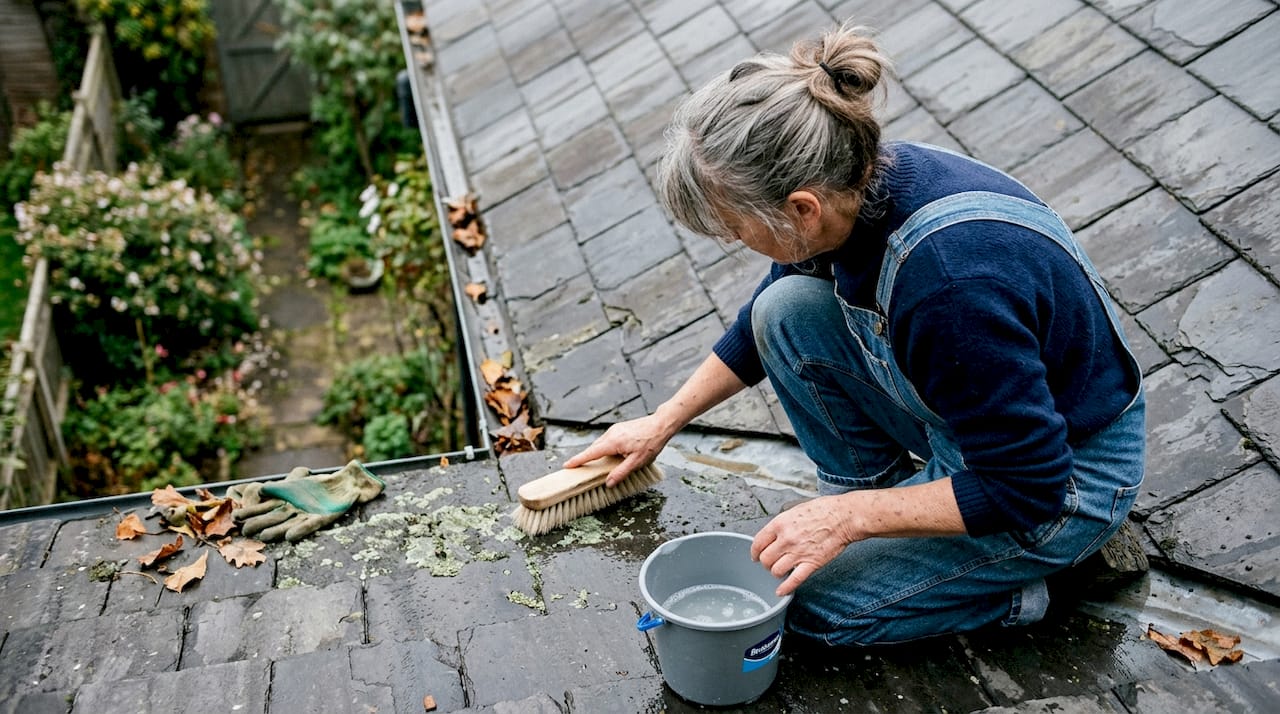
For lichen and moss, manual removal using a soft brush is preferable to chemical treatments on aged tiles. If moss is extensive, specific moss treatments formulated for heritage surfaces are available, but always test on a small, inconspicuous area first. The general roof maintenance guidance from YourHome reinforces that gentle, informed care extends roof life significantly.
For corrugated iron and pressed metal, low-pressure rinsing removes loose debris effectively. Avoid harsh chemicals that can strip protective coatings or accelerate rust. After cleaning, inspect for any bare metal areas and treat promptly with a rust-inhibiting primer.
A step-by-step approach works well for most heritage roofs:
- Clear loose debris by hand or with a leaf blower on a low setting
- Apply a diluted mild detergent and allow it to dwell for a few minutes
- Scrub gently with a soft brush in the direction of the surface grain
- Rinse with a low-pressure hose, working from the ridge down
- Inspect again once dry and note any areas needing repair
Pro Tip: Always work on a dry, overcast day. Hot sun can cause cleaning solutions to dry too quickly on the surface, leaving residue and potentially staining old tiles.
For guidance on what comes after cleaning, Sol Shine’s resource on heritage roof painting steps and preventative roof maintenance cover the full workflow in detail.
Essential tools, safety equipment, and protective measures
With your cleaning method chosen, ensure your safety and tool selection match the task. Roof work carries real risk, and heritage roofs add an extra layer of complexity because the surfaces themselves can be fragile underfoot.
Working at heights and around brittle materials demands specific protective equipment, and this is not an area where cutting corners is acceptable. The working at heights guidelines from Safe Work Australia make clear that falls are among the most common causes of serious injury in domestic settings.
Essential safety and tool checklist:
- Non-slip footwear with rubber soles designed for roof work
- Safety harness anchored to a secure point, particularly on pitched roofs
- Protective gloves to guard against sharp edges and chemical exposure
- Safety glasses when using any cleaning solutions or working near debris
- Soft-bristle brooms and brushes to avoid scratching aged surfaces
- Low-pressure hose or garden sprayer rather than a water blaster
- Leaf blower on a low setting for initial debris removal
- Secured ladder on level ground, with a second person holding the base
Falls account for a significant proportion of home injury hospitalisations in Australia each year. On a heritage roof with fragile tiles or aged ironwork, the risk of both personal injury and surface damage is compounded. Never work alone at height.
Always have a second person present. This is not just about safety in an emergency. A second set of eyes on the ground can spot issues you cannot see from above and help manage equipment safely.
Avoid water blasters entirely on heritage roofs. The pressure can force water under tiles, saturate timber battens, and crack aged terracotta in seconds. A gentle approach takes longer but protects both you and the roof. For more on safe working practices, Sol Shine’s heritage painting safety tips and roof maintenance essentials are worth reviewing before you start.
How to maintain a clean roof and avoid common mistakes
Staying safe and equipped leads into protecting your roof in the long run. A single thorough clean means little without a consistent maintenance routine to follow.
Develop a seasonal schedule and stick to it. Twice-yearly inspections, in autumn after leaf fall and in spring after winter rains, allow you to catch problems early. Document each inspection with photographs so you can track changes over time.
Here is a practical overview of routine tasks versus common mistakes:
| Routine maintenance | Common mistake to avoid |
|---|---|
| Clear gutters every three months | Allowing debris to back up under tiles |
| Inspect for moss after wet seasons | Scrubbing moss with wire brushes |
| Apply zinc strips at ridge line if suitable | Using bleach-based products on old tiles |
| Low-pressure rinse annually | High-pressure hosing that cracks tiles |
| Photograph and document condition | Ignoring small cracks until they worsen |
Common cleaning mistakes, like high-pressure hosing, can cause irreparable heritage roof damage. This is worth emphasising because water blasters are widely available and often seem like the efficient solution. On a heritage roof, they are not.
Preventative zinc or copper strips fitted along the ridge line can reduce moss and lichen regrowth significantly over time. As rainwater washes over the metal, it creates a mild inhibiting effect on organic growth. This is a low-intervention strategy that suits the heritage approach well.
A step-by-step approach to choosing professional help:
- Identify tasks beyond your skill or comfort level, such as replacing cracked tiles or repointing ridge capping
- Seek tradespeople with demonstrated heritage experience, not just general roofers
- Ask for references from similar heritage properties in Melbourne
- Confirm they understand permit requirements if structural work is involved
- Get a written scope of works before any job begins
Pro Tip: Keep a simple maintenance log in a folder with your property documents. Future buyers, insurers, and heritage assessors will value evidence of consistent, informed care.
For further reading, Sol Shine’s exterior cleaning mistakes guide and paint maintenance essentials resource cover the broader picture of exterior upkeep for heritage properties.
A fresh perspective on keeping heritage roofs in top shape
After you understand day-to-day maintenance, it is worth considering a longer-term mindset for Melbourne’s unique heritage homes. The prevailing assumption is that more frequent cleaning equals better preservation. In practice, the opposite is often true.
Over-cleaning removes protective patinas that have developed over decades. Terracotta tiles, for instance, develop a natural surface layer that actually helps repel water and resist biological growth. Aggressive annual cleaning strips this away, leaving the tile more vulnerable than before. Sol Shine has seen this pattern repeatedly on properties across the inner east and bayside suburbs.
The exterior cleaning safeguards that matter most are the gentle, well-timed ones. A strategic clean every two to three years, combined with seasonal inspections and minor spot treatments, will serve a heritage roof far better than a harsh annual routine.
There is also a psychological and financial dimension worth acknowledging. Original heritage features, when well maintained rather than over-treated, carry genuine premium value in Melbourne’s property market. Buyers and valuers recognise authenticity. A roof that retains its original character, even with the modest marks of age, speaks to quality and longevity in a way that an over-restored surface cannot.
The goal is not a roof that looks brand new. It is a roof that looks genuinely cared for.
Protect and enhance your heritage roof with expert help
Ready to preserve your roof for the next generation? Here is how to get help from heritage specialists.
Sol Shine brings deep expertise in heritage roof care, from safe, thorough cleaning through to full heritage painting services and structural restoration. Whether your roof needs a careful clean, a protective coat, or more significant repair work, the Sol Shine team understands the specific demands of Victorian and Edwardian properties across Melbourne’s inner east, bayside, and surrounding suburbs.

Explore the full roof painting for heritage homes workflow to understand what a professional approach looks like, or review the restoration value guide to see how expert care translates into long-term property value. Get in touch with Sol Shine for a tailored assessment and quote.
Frequently asked questions
How often should you clean a heritage roof in Melbourne?
Every two to three years is ideal for most heritage roofs, unless significant debris or moss growth appears sooner. Spot issues seasonally and prioritise gentle, targeted care over routine full cleans.
Can high-pressure cleaners be used on old terracotta roofs?
No. High pressure can damage or degrade tiles on heritage homes, cracking aged surfaces and stripping protective glazes. Soft brushes and a mild, pH-neutral detergent are the correct tools.
What is the safest way to deal with roof lichen and moss?
Manual removal with a soft brush or approved moss treatments formulated for heritage surfaces are the best options. Special moss removal techniques are strongly advised to avoid damaging old tile surfaces through scraping or harsh chemicals.
Do I need council or heritage body approval for cleaning procedures?
Gentle cleaning typically does not require a permit, but heritage permits may be needed if your planned works involve structural repairs, replacement of original materials, or significant intervention on a listed property.


