
Melbourne homeowners often face frustrating paint failures within just months of completing an exterior painting project. Peeling, blistering, and fading can result from avoidable mistakes during preparation, paint selection, or application. This guide reveals the seven most critical errors that cause premature paint failure and provides expert strategies to achieve a durable, attractive finish that withstands Melbourne’s demanding climate for years.
Table of Contents
- Selection Criteria For Exterior Painting Success
- Surface Preparation Essentials
- Choosing The Right Exterior Paint And Primer
- Weather And Timing Considerations
- Application Methods And Safety Precautions
- Summary Comparison And Situational Recommendations
- Ready To Transform Your Home’s Exterior?
- Frequently Asked Questions
Key Takeaways
| Point | Details |
|---|---|
| Surface preparation prevents failure | Thorough cleaning, scraping, and repairs eliminate adhesion problems that cause peeling within 12 months. |
| Climate-matched products matter | Exterior-grade paints and primers formulated for Melbourne’s UV exposure and moisture levels last 3x longer. |
| Weather timing is critical | Painting between 10°C and 30°C in dry conditions prevents blistering and reduces defects by over 50%. |
| Application technique affects durability | Proper brush, roller, and tape methods create smooth, even coverage that resists early breakdown. |
| Regular maintenance extends lifespan | Annual inspections and cleaning preserve paint integrity and curb appeal for 8-10 years. |
Selection Criteria for Exterior Painting Success
Before picking up a paintbrush, understanding the foundational criteria for a successful exterior painting project saves you from costly mistakes. These criteria form the framework for every decision you’ll make, from product selection to scheduling.
Successful exterior painting hinges on five essential factors. First, surface preparation must be thorough and methodical. Second, you need paints and primers specifically engineered for Melbourne’s variable climate with its harsh UV rays and sudden weather changes. Third, timing your project within optimal weather windows prevents premature failure. According to painting experts, painting outdoors in temperatures between 10°C and 30°C, avoiding direct sunlight and rain, optimizes paint drying times and adhesion, reducing defects like streaks and bubbles. Fourth, proper application techniques ensure even coverage and professional results. Finally, avoiding shortcuts that seem time-saving but lead to paint failure within one to two years.
Many homeowners rush through these criteria, eager to see results quickly. This impatience frequently results in peeling paint, uneven coverage, and the need for expensive repaints. Understanding these criteria before starting your project sets realistic expectations and helps you allocate time and resources appropriately.
Consider these critical selection factors:
- Match paint formulations to your specific substrate type, whether timber, brick, render, or weatherboard
- Verify that products carry exterior-grade ratings suitable for Melbourne’s coastal and inland microclimates
- Plan for adequate surface preparation time, which typically consumes 60-70% of total project duration
- Schedule work during Melbourne’s stable weather periods, typically late spring and early autumn
- Invest in quality tools and safety equipment rather than accepting shortcuts that compromise results
When planning your exterior painting project, professionals offering premium exterior painting services emphasize that careful planning prevents the common exterior painting mistakes that plague rushed or poorly researched projects.
Pro Tip: Create a detailed checklist covering every preparation step, product specification, and weather requirement before purchasing any materials. This planning phase prevents mid-project discoveries that derail timelines and budgets.
Surface Preparation Essentials
Surface preparation represents the single most important factor determining paint longevity. Skipping or rushing this step accounts for approximately 70% of premature paint failures in Melbourne homes.
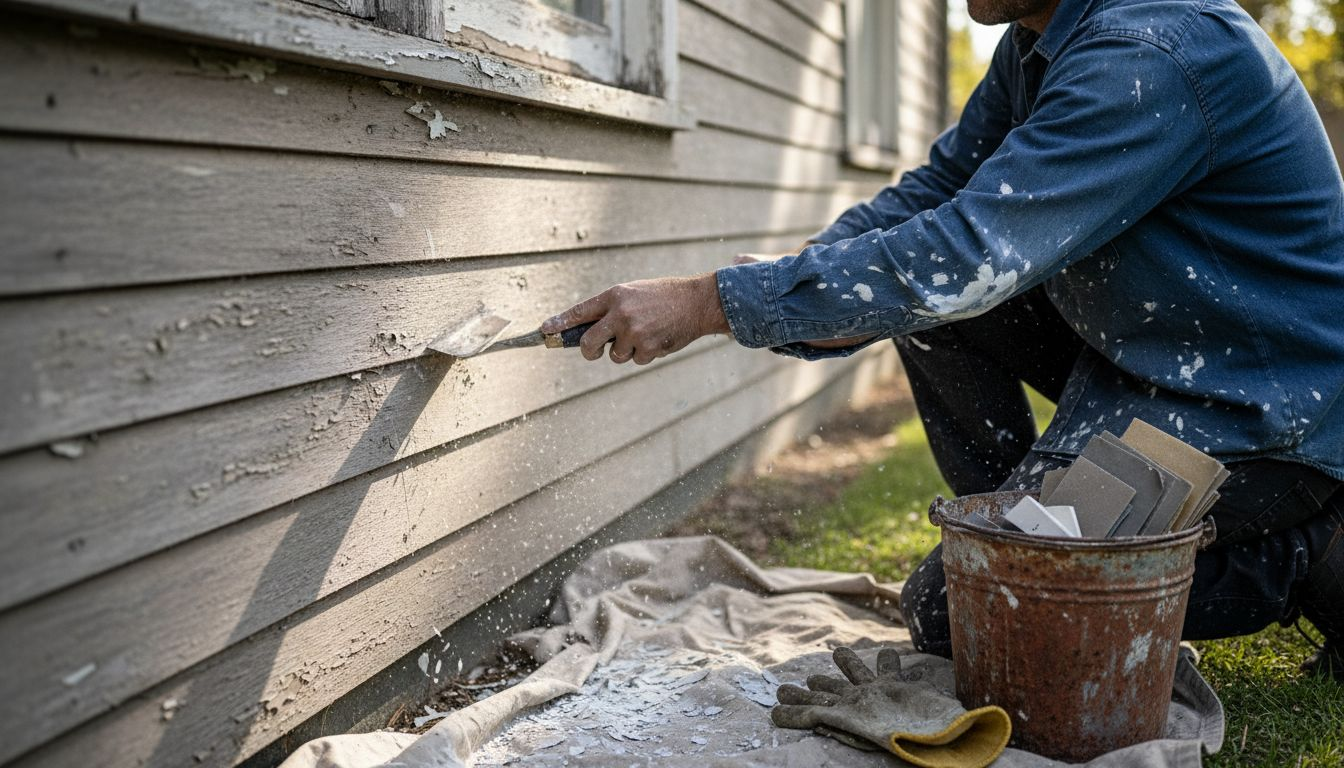
According to painting professionals, skipping cleaning and pressure washing before painting leads to poor paint adhesion and increases risk of early peeling, especially in humid or coastal areas like Melbourne. Dirt, mold, mildew, and loose paint create barriers that prevent new paint from bonding properly to the substrate.
Proper surface preparation follows a systematic approach:
- Power wash all surfaces using appropriate pressure settings for your substrate type, removing dirt, cobwebs, mold, and loose paint
- Scrape away all flaking or peeling paint using quality scrapers, working methodically across every surface area
- Sand rough areas and edges of remaining paint to create smooth transitions and proper tooth for new paint adhesion
- Fill cracks, gaps, and holes with exterior-grade filler or caulk, allowing adequate drying time before proceeding
- Treat any mildew or mold growth with specialized cleaners to kill spores that could bleed through new paint
- Allow all surfaces to dry completely for at least 48 hours in good weather before applying any primer or paint
Melbourne’s variable humidity levels make the drying phase particularly crucial. Rushing to paint on damp surfaces traps moisture beneath the paint film, leading to blistering and adhesion failure within months. Projects like this surface preparation example demonstrate the visible difference that thorough preparation makes.
Many homeowners underestimate the time required for proper preparation. A typical three-bedroom Melbourne home requires 2-3 full days of preparation work before any paint application begins. Cutting this time short to accelerate the project timeline almost always results in surface preparation mistakes that compromise the entire investment.
Pro Tip: After power washing, run your hand across the surface once dry. If you feel roughness, loose material, or powdery residue, the surface needs additional cleaning or sanding before painting.
Choosing the Right Exterior Paint and Primer
Paint selection dramatically affects how long your exterior finish lasts in Melbourne’s challenging conditions. Exterior paints contain specialized UV inhibitors, mildewcides, and flexible resins that interior paints lack entirely.
The primer layer serves as a critical bonding agent between substrate and topcoat. Research shows that proper application of high-quality primer improves adhesion by up to 50% and reduces need for multiple topcoats, enabling longer-lasting finishes. Skipping primer or using the wrong type accounts for countless paint failures.
Key considerations when selecting exterior paint and primer:
- Exterior formulations include UV stabilizers that prevent color fading and chalking in Melbourne’s intense sunlight
- Breathable paints allow moisture vapor to escape, preventing blistering on timber and masonry substrates
- Flexible acrylic formulations accommodate timber movement through seasonal temperature changes
- Premium paints contain higher pigment loads and better binders, requiring fewer coats for proper coverage
- Climate-specific products designed for Australian conditions outperform imported alternatives not tested in our environment
| Paint Characteristic | Benefit for Melbourne Homes | Impact on Longevity |
|---|---|---|
| UV resistance | Prevents fading and chalking | Extends color retention 3-5 years |
| Moisture permeability | Allows trapped moisture to escape | Reduces blistering by 60% |
| Flexibility rating | Accommodates substrate movement | Prevents cracking on timber by 70% |
| Mildew resistance | Inhibits mold growth in humid areas | Maintains appearance 2x longer |
| Premium binder content | Improves adhesion and durability | Extends total lifespan 40% |
When examining products, verify they carry specific exterior-grade ratings rather than all-purpose designations. Projects like this exterior paint selection example showcase the superior results achieved with premium, climate-appropriate products.
The cost difference between budget and premium exterior paints typically represents just 15-20% of total project expense. However, premium products often last twice as long, making them significantly more cost-effective over time. Understanding the benefits of primer helps justify this investment in quality materials.
Pro Tip: Always purchase paint and primer from the same manufacturer’s product line. These systems are chemically formulated to work together, maximizing adhesion and performance.
Weather and Timing Considerations
Melbourne’s unpredictable weather patterns make timing one of the most critical factors in exterior painting success. Poor timing accounts for approximately 40% of preventable paint failures.
Temperature directly affects how paint cures and bonds to surfaces. According to industry research, painting outdoors in temperatures between 10°C and 30°C, avoiding direct sunlight and rain, optimizes paint drying times and adhesion, reducing defects like streaks and bubbles. Paint applied outside this range may never achieve proper cure, remaining soft and vulnerable to damage.
Moisture poses an even greater threat. Studies indicate that paint applied during high humidity or immediately before rain tends to blister and peel prematurely, requiring costly repaints within 1-2 years. Rain within 24 hours of application can wash away uncured paint or cause water spotting that permanently mars the finish.
“The difference between a 10-year paint job and a 2-year failure often comes down to nothing more than choosing the right week to start the project. Melbourne’s weather demands patience and careful planning.”
Optimal painting conditions in Melbourne:
- Temperature range of 15°C to 25°C provides ideal curing conditions for most exterior paints
- Humidity below 70% allows proper evaporation of solvents and water from paint films
- Clear weather forecast extending at least 48 hours after final coat application
- Avoid painting in direct intense midday sun, which causes paint to dry too quickly and trap solvents
- Morning application on north and west faces, afternoon on south and east faces manages sun exposure
Melbourne’s most reliable painting windows typically occur in October through November and March through April. Summer heat can cause paint to dry too rapidly, while winter cold and dampness prevent proper curing. Planning your project timeline around these seasonal patterns significantly improves outcomes.
Professional exterior painting services maintain flexibility in scheduling, monitoring weather forecasts constantly and adjusting work plans to capture optimal conditions. This expertise in painting temperature advice and avoiding humidity paint failure risks proves invaluable for achieving durable results.
Application Methods and Safety Precautions
How you apply paint matters just as much as which paint you choose. Poor technique creates visible defects and reduces the functional lifespan of your paint job.
Brush and roller selection affects finish quality dramatically. Research confirms that differences in technique directly impact surface smoothness and evenness, with poor technique causing visible streaks, drips, and texture inconsistencies. Natural bristle brushes work best with oil-based products, while synthetic bristles suit water-based paints.
Edging and trim work require precision. Studies show that use of painter’s tape and correct removal technique reduces paint bleed and ensures crisp edges, improving overall finish by over 30%. Remove tape while paint remains slightly tacky for cleanest lines.
Proper application techniques:
- Load brushes to only one-third of bristle length to prevent drips and maintain control
- Use long, smooth strokes following the grain on timber surfaces for professional appearance
- Maintain a wet edge by working in manageable sections, blending each area into the previous
- Apply thin, even coats rather than one thick coat, allowing proper drying time between applications
- Feather edges where stopping and starting to avoid visible lap marks
- Clean tools thoroughly between coats to prevent dried paint contamination
Safety cannot be overlooked in exterior painting projects. Ladder accidents cause thousands of injuries annually. Always maintain three points of contact on ladders, never overreach, and use properly rated equipment for your height requirements. Wear safety glasses to protect eyes from drips and spatters. Use gloves to prevent skin contact with harsh chemicals in paint strippers and cleaners.
Projects showcasing proper painting application techniques demonstrate the superior results achieved through methodical, skilled application. Understanding application technique differences and painter’s tape usage elevates DIY results significantly.
Pro Tip: Take a test photo of your first completed section in different lighting conditions. This reveals drips, holidays (missed spots), and texture issues much more clearly than visual inspection alone.
Summary Comparison and Situational Recommendations
Choosing between DIY and professional painting depends on your specific situation, skills, and project complexity. This comparison helps clarify the best approach for different scenarios.
| Factor | DIY Approach | Professional Service |
|---|---|---|
| Cost | Materials only, 40-50% savings | Full service with warranty, higher upfront |
| Time investment | 3-4 weekends for average home | 5-7 days including prep and cleanup |
| Quality outcome | Variable, depends on skill level | Consistent, professional finish |
| Warranty coverage | None, repairs are your responsibility | Typically 5-7 year workmanship guarantee |
| Surface preparation | Often rushed or incomplete | Thorough, methodical approach |
| Paint longevity | 3-5 years with proper execution | 8-10 years with premium products |
Professional painters bring several distinct advantages. They achieve longer-lasting finishes through comprehensive surface preparation that most homeowners lack time or patience to complete properly. Professionals use premium products, apply them with expert techniques honed over thousands of projects, and back their work with guarantees.
DIY painting can produce acceptable results when homeowners strictly adhere to proper preparation, timing, and application protocols. Success requires realistic assessment of your skill level, available time, and physical capability to work safely at heights. Small projects like single-story garages or garden sheds make excellent DIY candidates. Two-story homes, intricate heritage details, or deteriorated surfaces demand professional expertise.
Critical considerations for your decision:
- Project complexity and building height affect both safety and skill requirements
- Your available time during optimal weather windows limits DIY feasibility
- Budget constraints must account for tool purchases and potential redo costs
- Desired longevity and warranty coverage provide long-term value considerations
- Physical capability and comfort working on ladders for extended periods
Maintenance extends paint life regardless of who applies it. Annual inspections catch small problems before they escalate. Gentle cleaning with mild detergent removes dirt and mildew that degrade paint films. Prompt touch-ups of chips and scratches prevent moisture intrusion. These simple steps can extend paint life by 2-3 years.
One critical mistake homeowners make is using interior paint on exterior surfaces to save money. Interior formulations lack the UV stabilizers, mildewcides, and flexibility required for outdoor exposure. This shortcut typically results in total paint failure within 12-18 months, requiring complete removal and repainting at far greater expense than using proper products initially.
Exploring professional painting benefits helps clarify the value proposition for your specific situation and long-term property goals.
Pro Tip: If attempting DIY, start with a small, less visible area like a back fence or garden shed. This lets you refine techniques and identify challenges before tackling your home’s main exterior.
Ready to Transform Your Home’s Exterior?
Avoiding these seven critical mistakes ensures your exterior painting investment delivers lasting beauty and protection for your Melbourne home. From thorough surface preparation through climate-appropriate product selection and expert application, every detail matters.
Sol Shine specializes in premium exterior painting services that combine meticulous preparation, weather-resistant premium paints, and proven application techniques. Our team understands Melbourne’s unique climate challenges and uses this knowledge to deliver finishes that remain vibrant and protective for years.
Explore our portfolio of completed exterior painting projects to see the quality difference professional expertise delivers. Whether your home features modern render, traditional weatherboard, or requires specialized heritage exterior painting, we bring the skills and commitment to exceed your expectations. Contact us today for a detailed consultation and discover how proper exterior painting transforms both appearance and long-term value.
Frequently Asked Questions
What is the biggest mistake homeowners make in exterior painting?
Inadequate surface preparation causes more paint failures than any other single factor. Skipping thorough cleaning, scraping, and repairs prevents proper paint adhesion, leading to peeling within 12-24 months. Many homeowners underestimate the time required for proper preparation, which should consume about 60-70% of total project duration.
How can I tell if my paint is suitable for Melbourne’s weather?
Check the product label for specific exterior-grade ratings and UV resistance specifications. Quality exterior paints designed for Australian conditions will explicitly mention UV stabilizers, mildew resistance, and flexibility ratings. If the label doesn’t specifically state “exterior” and include these features, the product won’t withstand Melbourne’s harsh sun, moisture, and temperature fluctuations.
What maintenance helps extend exterior paint life?
Annual gentle washing with mild detergent removes dirt and mildew that degrade paint films over time. Inspect for small chips, cracks, or peeling areas annually and touch them up promptly to prevent moisture intrusion. Trim vegetation away from painted surfaces to improve air circulation and reduce moisture accumulation. These simple steps can extend quality paint jobs from 8 years to 10-12 years.
Is it worth using a professional painter in Melbourne?
Professional painters typically deliver finishes lasting 8-10 years compared to 3-5 years for many DIY attempts, providing better long-term value despite higher upfront costs. Professionals bring expertise in surface preparation, product selection, weather timing, and application techniques that most homeowners lack. They also provide warranties covering workmanship, protecting your investment against premature failure.
Can I paint my exterior in winter?
Winter painting in Melbourne carries significant risks due to low temperatures, high humidity, and limited drying time between potential rain events. Paint requires temperatures above 10°C for proper curing, and many winter days fall below this threshold. If winter painting is unavoidable, choose only the warmest, driest days with clear forecasts extending 48 hours after application.


