
TL;DR:
- Regular property cleaning protects heritage materials from deterioration and prevents costly repairs. Consistent cleaning routines extend the life of surfaces and support responsible maintenance for Melbourne homes. Proper, gentle methods preserve original features and improve health and property value.
Regular property cleaning is defined as the consistent removal of dirt, biological matter, and surface contaminants from all areas of a home to protect its structure, health, and value. For Melbourne homeowners, particularly those with Victorian or Edwardian heritage properties in suburbs like Kew, Hawthorn, Camberwell, and Brighton, this practice is not optional. It is the foundation of responsible property ownership. Routine cleaning prevents small issues from escalating into costly repairs, and the evidence connecting cleanliness to both physical health and asset value is substantial. A 2025 ACI survey found that 91% of respondents reported positive physical health effects from regular cleaning. That figure alone reframes cleaning from a chore into a genuine investment in your home and your family.
Why regular property cleaning matters for your home’s structure
Dirt is not passive. Fine grit and particulate matter act as an abrasive on painted surfaces, timber, stone, and render, wearing them down with every rainfall and wind event. On a heritage home, where original materials like Baltic pine floorboards, sandstone lintels, and decorative plasterwork are irreplaceable, this wear accelerates deterioration in ways that are expensive to reverse.
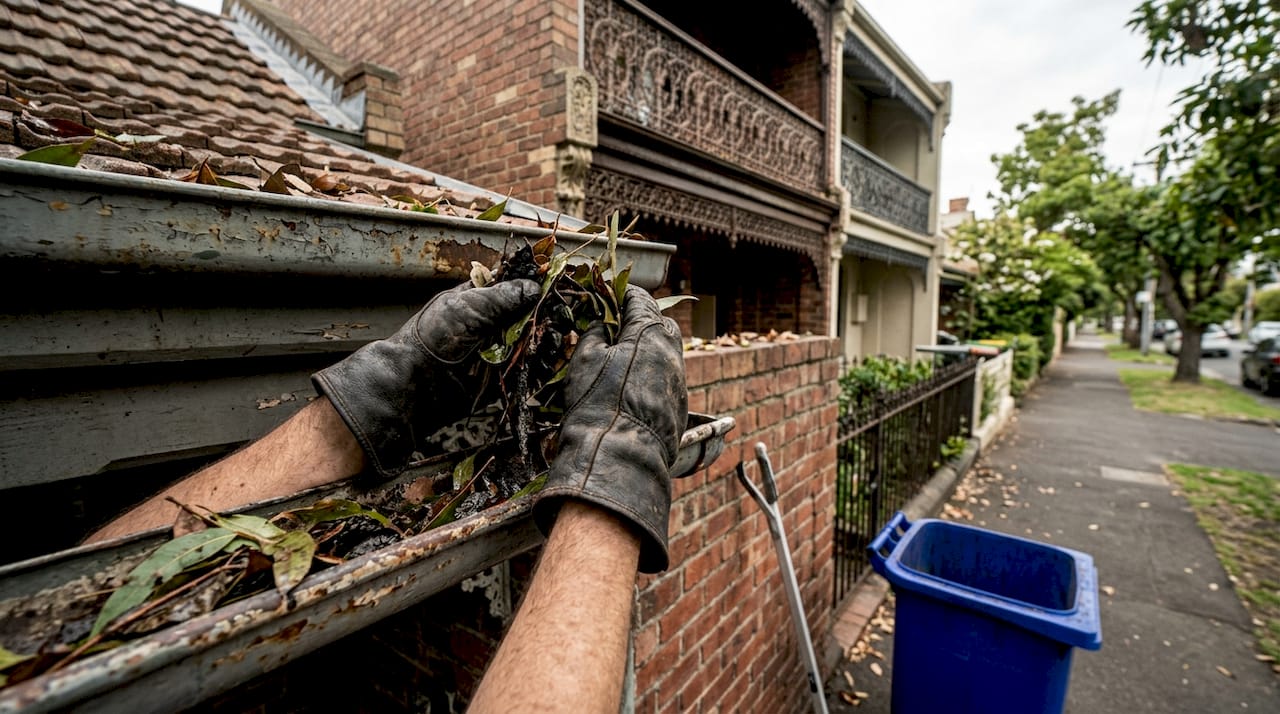
Routine cleaning prevents small issues from becoming structural problems. Blocked gutters lead to water ingress. Mould on external render spreads into mortar joints. Grime on timber window frames traps moisture, which causes rot. Each of these outcomes is avoidable with consistent upkeep.
Research into building damage patterns shows that nearly 25% of building damage links to inadequate maintenance, with close to 40% arising from neglected service systems such as blocked drains and HVAC units. That is not a minor statistic. It means that a significant share of costly building repairs are preventable through the kind of regular attention most homeowners already have the capacity to provide.
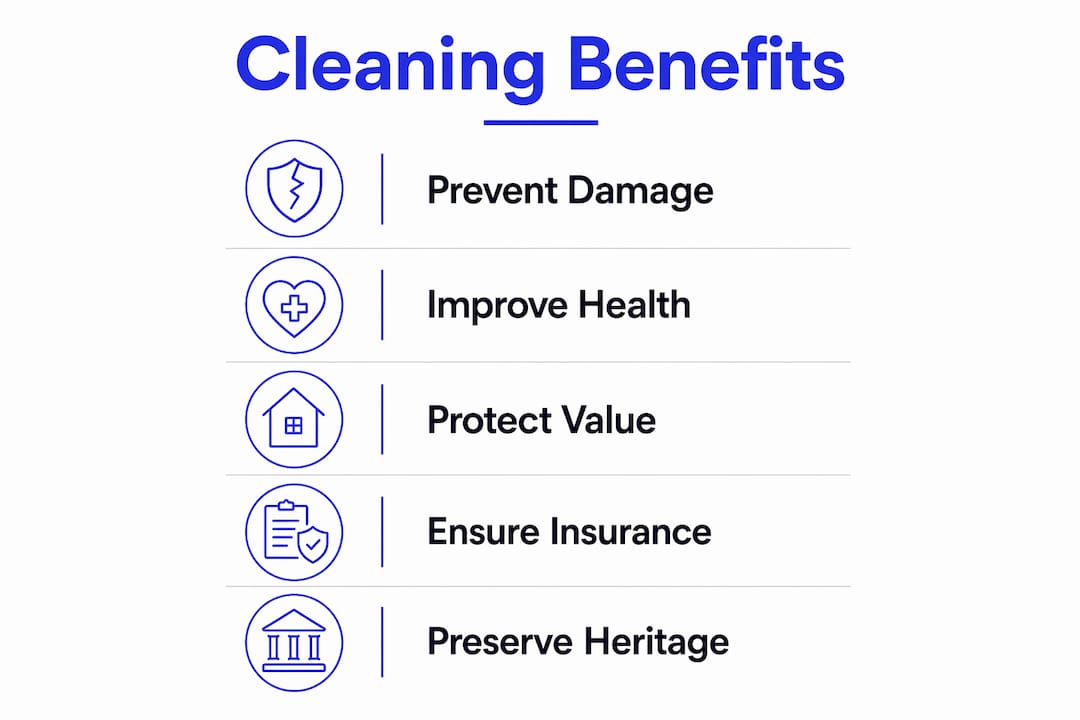
Professional deep cleaning also extends the life of interior surfaces. Carpet lifespan can extend from under 5 years to 10–15 years with professional extraction cleaning. The same principle applies to timber floors, tiled surfaces, and painted walls.
Key structural risks that regular cleaning prevents:
- Gutter blockages causing roof and ceiling water damage
- Mould growth on external render and brickwork
- Timber rot from moisture trapped under surface grime
- Paint failure from dirt and UV exposure on unprotected surfaces
- Cracked or loose mortar from biological growth in joints
Pro Tip: Inspect your gutters and downpipes after every major storm. Clearing debris within 48 hours prevents the water pooling that causes the most common and costly roof damage in Melbourne’s variable climate.
What are the health benefits of a regularly cleaned property?
A clean home is measurably healthier. Dust mites, pet dander, and mould spores accumulate silently in carpets, curtains, and ceiling corners and get recirculated through the air every time a door opens or a fan runs. For households with children, elderly residents, or anyone with respiratory sensitivities, this matters directly.
The 2025 ACI survey found that 84% of respondents reported mental wellbeing benefits from maintaining a clean home. A tidy, well-maintained environment reduces background stress and supports clearer thinking. This is not anecdotal. It reflects a consistent pattern across health research linking physical order to psychological calm.
Four cleaning habits that deliver measurable health benefits:
- Vacuum with a HEPA filter twice weekly. Running a HEPA vacuum on carpets and rugs twice weekly measurably improves indoor air quality by capturing fine particulates that standard vacuums recirculate.
- Wipe high-touch surfaces daily. Door handles, light switches, and bench tops carry the highest pathogen loads. Daily wiping with a suitable disinfectant cuts transmission risk significantly.
- Clean bathroom grout and seals monthly. Mould in bathrooms releases spores into the air. Addressing grout and silicone seals monthly prevents colonies from establishing.
- Wash soft furnishings seasonally. Curtains, cushion covers, and throw rugs accumulate allergens that vacuuming alone cannot fully remove.
Statistic to note: A 2025 ACI survey reported that 91% of respondents experienced positive physical health effects from regular cleaning, and 84% reported improved mental wellbeing. These figures reflect outcomes across a broad population, not just those with pre-existing health conditions.
For heritage homeowners, the health dimension extends to the building fabric itself. Older homes often contain lead paint in layers beneath current finishes. Disturbing surfaces without proper preparation during cleaning can release lead dust. Knowing what you are cleaning, and how, protects both the home and the people inside it.
How does cleaning fit within property maintenance and insurance in Melbourne?
Cleaning is the first line of property maintenance. It is the activity that reveals problems before they become expensive. A homeowner who cleans their external render regularly will notice a crack forming in the mortar. One who does not may only discover it when water has already penetrated the wall cavity.
Avoiding routine maintenance to save money consistently leads to higher costs later through compound repair expenses. A blocked downpipe costs almost nothing to clear. The ceiling repair that follows water ingress from that same downpipe can run into thousands of dollars.
There is also an insurance dimension that Melbourne homeowners often overlook. Maintaining professional cleaning and maintenance records is a form of legal due diligence that helps meet insurer requirements and reduces the risk of claim denials. Insurers assess whether a property was reasonably maintained when evaluating claims for water damage, mould, or structural failure.
Practical steps for integrating cleaning into your maintenance schedule:
- Keep a simple log of cleaning dates, areas covered, and any issues noticed
- Schedule external cleaning of gutters, downpipes, and façades twice yearly, in autumn and spring
- Book professional inspections of roof, render, and timber elements annually
- Photograph any damage discovered during cleaning to support future insurance claims
- Store receipts for professional cleaning services as part of your maintenance record
A well-documented cleaning and maintenance history is one of the most underused tools a Melbourne homeowner has when negotiating insurance outcomes or preparing a property for sale.
What are the best practices for cleaning heritage homes?
Heritage homes require a different approach to cleaning than standard residential properties. The materials used in Victorian and Edwardian construction, including original timber joinery, lime render, sandstone, and heritage brick, are sensitive to the chemicals and methods that work perfectly well on modern surfaces.
Harsh chemicals and over-scrubbing strip protective sealants from timber and stone, accelerating the very deterioration that cleaning is meant to prevent. Pressure washing at high settings can blast mortar from heritage brickwork and force water behind weatherboards, causing rot in the structural framing behind.
Recommended cleaning practices for heritage properties:
- Use pH-neutral, low-chemical cleaners on all original timber surfaces, including verandah boards, window frames, and decorative fretwork
- Clean heritage brickwork with a soft brush and water only, avoiding acid-based products unless advised by a conservation specialist
- Treat lime render with extreme care. Use a damp cloth or low-pressure rinse rather than abrasive scrubbing
- Inspect timber window frames and sills for paint failure and moisture ingress every six months
- Engage a heritage-experienced professional for any cleaning that involves scaffolding, roof elements, or original decorative features
Pro Tip: Before applying any cleaning product to an original heritage surface, test it on a small, inconspicuous area first. What works on a modern painted surface can strip a 100-year-old lime wash or damage a heritage timber stain in minutes.
Exterior cleaning of heritage homes done correctly preserves the original character of the property and reduces the frequency and cost of restoration work. Done incorrectly, it can cause irreversible damage that no amount of repainting or re-rendering will fully correct.
How can homeowners build a practical regular cleaning routine?
A sustainable cleaning routine is built around frequency, not intensity. Doing less, more often, produces better outcomes than infrequent deep cleans that stress surfaces and overwhelm homeowners.
| Cleaning task | Recommended frequency | Priority |
|---|---|---|
| Vacuum carpets and rugs | Twice weekly | High |
| Wipe kitchen and bathroom surfaces | Daily | High |
| Clean gutters and downpipes | Every 3–4 months | High |
| Wash windows, inside and out | Every 2–3 months | Medium |
| Clean external render and façade | Twice yearly | High |
| Inspect and clean timber joinery | Every 6 months | High |
| Deep clean soft furnishings | Seasonally | Medium |
| Professional exterior wash | Annually | Medium |
Tools and products worth using:
- HEPA-filter vacuum for indoor allergen control
- Microfibre cloths for surfaces (they lift rather than spread contaminants)
- pH-neutral timber cleaner for all original joinery and floorboards
- Soft-bristle brushes for heritage brickwork and render
- A garden hose with a low-pressure nozzle for external façade rinsing
For heritage homeowners, the step-by-step exterior cleaning process differs meaningfully from standard residential cleaning. Knowing which surfaces require specialist products, and which require nothing more than water and a soft brush, protects the investment you have made in your property.
Cleanliness signals a well-maintained home to buyers, valuers, and insurers alike. The visible condition of floors, surfaces, and façades directly influences real estate competitiveness and the offers a property attracts.
Key takeaways
Regular property cleaning is the most cost-effective form of property maintenance available to Melbourne homeowners, protecting structural integrity, health, and resale value simultaneously.
| Point | Details |
|---|---|
| Cleaning prevents structural damage | Dirt, mould, and blocked drains cause nearly 40% of building damage that regular cleaning can prevent. |
| Health benefits are measurable | 91% of people report positive physical health effects from consistent cleaning, including improved air quality. |
| Heritage materials need gentle methods | Harsh chemicals and pressure washing damage original timber, lime render, and heritage brick irreversibly. |
| Maintenance records support insurance claims | Documented cleaning logs reduce the risk of claim denials and demonstrate responsible property care. |
| Frequency beats intensity | Cleaning little and often protects surfaces better than infrequent deep cleans that stress original materials. |
The case for consistency over perfection
I have worked on heritage homes across Melbourne’s inner east and bayside suburbs for years, and the pattern I see most often is this: homeowners who neglect regular cleaning end up spending far more on restoration than those who maintain a simple, consistent routine.
The misconception I hear most is that cleaning is cosmetic. Homeowners assume a bit of grime on the render or a blocked gutter is a visual issue, not a structural one. By the time they call us, the water has already been sitting behind the weatherboards for a season. The timber framing is soft. What could have been a $200 gutter clean has become a $15,000 weatherboard replacement and repaint.
Heritage properties are particularly unforgiving in this regard. Original materials have no tolerance for neglect. A Victorian-era lime render that has been kept clean and sealed will outlast a modern cement render that has been ignored. The material is not the variable. The maintenance is.
What I tell every homeowner I work with is this: you do not need to be perfect. You need to be consistent. A simple twice-yearly external clean, combined with monthly attention to gutters and timber surfaces, will protect a heritage home far better than an annual blitz that stresses the surfaces and misses the slow-moving problems in between.
Cleaning is not a cost. It is the cheapest form of insurance your property has.
— Jarrad
Sol Shine: professional care for Melbourne heritage homes
Sol Shine specialises in heritage painting and restoration for Victorian and Edwardian homes across Melbourne’s inner east and bayside suburbs. When regular cleaning reveals paint failure, render damage, or deteriorating timber joinery, the next step is professional restoration work that protects the original character of your home.

Sol Shine’s team handles heritage painting and exterior restoration with the same care and material knowledge that heritage properties demand. From weatherboard replacement and render repair to full exterior repaints using period-appropriate finishes, every project is managed under one roof. If your property is ready for professional attention, Sol Shine offers premium interior painting services alongside its heritage restoration work. Contact Sol Shine to discuss your property’s needs with a team that understands what these homes require.
FAQ
Why does regular property cleaning matter for heritage homes?
Regular cleaning prevents dirt, mould, and moisture from degrading sensitive original materials like timber, lime render, and heritage brick. Neglect accelerates deterioration that is costly and sometimes impossible to reverse.
How often should Melbourne homeowners clean their exterior surfaces?
External façades and gutters should be cleaned every three to four months, with a full professional exterior wash at least once a year. Heritage properties may need more frequent attention after Melbourne’s wet winters.
Can harsh cleaning products damage original heritage materials?
Yes. Harsh chemicals and high-pressure washing strip protective sealants from timber and stone, and can blast mortar from heritage brickwork. pH-neutral cleaners and soft brushes are the correct approach for original surfaces.
Does regular cleaning affect property value?
Cleanliness directly influences buyer perceptions and real estate competitiveness. Visible floor and surface condition affects the offers a property attracts, and a well-maintained home signals responsible ownership to valuers and insurers.
How do cleaning records help with insurance claims?
Documented maintenance and cleaning logs demonstrate responsible property care to insurers, reducing the risk of claim denials for damage linked to alleged neglect.


