
TL;DR:
- Proper exterior maintenance involves regular inspections, cleaning, and timely repairs to preserve building value and safety. Scheduled checkups and documentation help prevent costly emergency repairs and legal risks, ensuring longevity of surfaces and systems. Consistent upkeep and proper planning protect assets, reduce liabilities, and maintain tenant satisfaction.
Maintaining apartment exteriors is defined as the scheduled programme of inspections, cleaning, repairs, and preventative treatments that preserve a building’s façade, grounds, and structural integrity. Done well, it protects asset value, reduces liability exposure, and keeps tenants satisfied. Neglect, by contrast, invites costly emergency repairs and legal risk. This guide covers the essential tools, timing, and techniques for effective apartment exterior upkeep in 2026, drawing on current industry best practices for owners and renters alike.
How to maintain apartment exteriors: the core framework
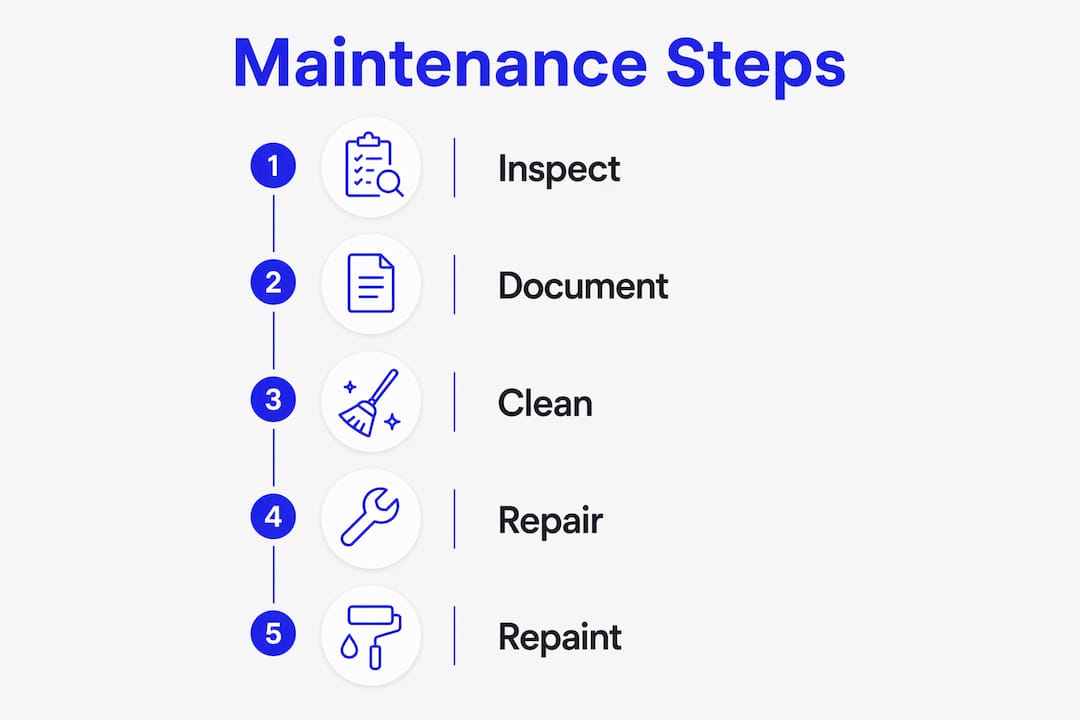
Effective exterior maintenance rests on three pillars: scheduled inspections, documented records, and prompt action. Exterior maintenance is core risk management; neglect lowers asset value and increases the likelihood of expensive emergency repairs. That means treating upkeep as a cyclical programme, not a reactive task you address when something breaks.
The industry standard calls for two comprehensive inspections per year, typically in spring and autumn. Between those, monthly checks of high-priority items keep minor issues from compounding.
Key monthly checks include:
- Trip hazards on walkways, stairs, and car parks
- Exterior lighting at entries and common areas
- Drainage outlets and downpipes for blockages
- Visible cracks or damage to render, cladding, or sealant
- Balcony surfaces and balustrades for corrosion or movement
Documentation is what separates reactive owners from proactive ones. Tracking time spent on exterior tasks and refining checklists over time produces accurate budgets and tighter operations. Tools like OxMaint and similar maintenance management platforms make photographic logging and task scheduling straightforward for multi-property portfolios.
Pro Tip: Use a standardised written checklist rather than relying on memory. Written checklists ensure consistent standards across every property you manage, and they hold up in insurance disputes.
| Inspection type | Frequency | Focus areas |
|---|---|---|
| Comprehensive inspection | Twice yearly (spring, autumn) | Full façade, roof, drainage, grounds |
| Monthly priority check | Monthly | Trip hazards, lighting, drainage |
| Post-storm assessment | After major weather events | Cladding, gutters, windows, fencing |
| Pre-lease inspection | Before new tenancy | Balconies, entry surfaces, signage |
How to clean and preserve common apartment exterior surfaces
Cleaning is not cosmetic. Waiting until visible dirt and mildew appear means the property is already overdue for attention. Proactive pressure washing preserves both aesthetics and underlying materials before degradation takes hold.
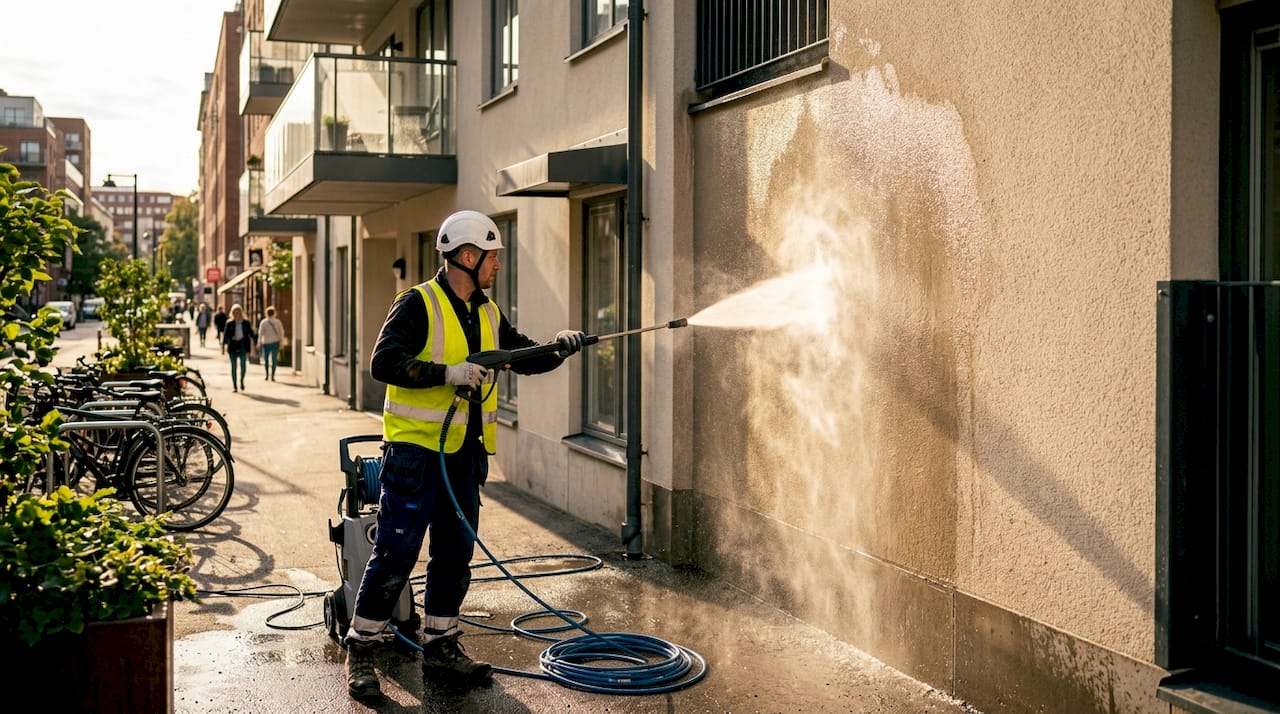
Annual pressure washing is the baseline for most apartment buildings in Melbourne’s climate. Timing it before spring leasing season keeps the building looking its best when prospective tenants are inspecting. Scheduling cleaning before visible degradation also supports inspection readiness and improves overall property management outcomes.
Surface-specific technique matters more than most owners realise. Improper pressure washing techniques accelerate wear and can damage architectural finishes permanently. The right approach depends on the substrate.
Cleaning methods by surface type:
- Rendered or painted masonry: Soft washing with low pressure and a mild detergent solution prevents paint lift and render cracking
- Weatherboard and timber cladding: Low-pressure rinse only; avoid directing water upward under boards where moisture can penetrate
- Balcony tiles and concrete: Higher pressure is appropriate, but keep the nozzle moving to avoid etching
- Aluminium and powder-coated surfaces: Mild soap and water applied by hand or soft brush; pressure washing risks stripping protective coatings
- Glass balustrades and windows: Squeegee and glass-safe cleaner; pressure washing risks seal damage around frames
Pro Tip: Assess the surface before selecting a method. A professional pressure washing contractor will conduct a substrate assessment first. If yours does not, that is a red flag.
What are the best practices for repainting and repairing apartment exteriors?
Repainting is the single highest-impact maintenance task for a building’s façade. Full exterior repainting cycles typically span 5–10 years, with annual touch-ups extending those intervals and protecting substrates between full repaints. Skipping touch-ups forces earlier full repaints and increases total cost over time.
Material choice drives paint selection. Elastomeric coatings suit stucco and EIFS (Exterior Insulation and Finish Systems) because they flex with thermal movement and bridge hairline cracks. Rust-inhibitive primers are non-negotiable on metal balustrades, lintels, and flashings. Timber surfaces require a breathable, flexible paint system, particularly on weatherboards where moisture cycling is constant. Sol Shine’s exterior painting projects illustrate how substrate-matched coatings perform across Melbourne’s varied building stock.
Understanding why repainting body corporate exteriors protects value is critical for owners managing strata properties. Body corporate rules govern colour palettes and approval processes, so coordinate with your owners corporation before committing to a colour change.
| Repair type | Priority | Recommended action |
|---|---|---|
| Active cracks in render | High | Repair and seal before repainting |
| Rust bleed on metal elements | High | Grind, prime with rust-inhibitive primer, repaint |
| Timber rot on window frames | High | Replace affected sections, prime, repaint |
| Failed sealant at joints | Medium | Remove, clean, apply new polyurethane sealant |
| Faded or chalking paint | Low | Schedule into next annual touch-up cycle |
Pro Tip: Paint maintenance practices that address minor chalking and fading annually add years to a full repaint cycle. A small tin of matched paint and two hours of labour can defer a $15,000 repaint by two or three years.
How can landscaping and grounds maintenance reduce liability and enhance curb appeal?
Landscaping is a liability issue as much as an aesthetic one. Low-maintenance landscaping accounted for in lease agreements reduces tenant conflicts, liabilities, and insurance premiums. Owners who plant high-maintenance gardens without clear lease clauses about upkeep responsibilities create disputes and deferred maintenance.
Selecting durable, climate-appropriate plants is the first decision. Native species suited to Melbourne’s conditions, such as lomandra, westringia, and native grasses, require minimal irrigation and resist seasonal stress. They also reduce the likelihood of nuisance accumulation like leaf litter blocking drains or overgrown branches damaging cladding.
Grounds upkeep follows a predictable cycle when planned properly:
- Monthly: Remove debris, check for pest ingress around garden beds, clear drainage grates
- Quarterly: Trim shrubs and groundcovers, apply mulch to suppress weeds and retain moisture
- Biannually: Inspect trees for dead branches, assess root proximity to paths and foundations
- Annually: Review lease clauses against current tenant use, update landscaping plan if needed
Documenting tenant responsibilities in lease agreements is critical to preventing disputes over who maintains balcony gardens, potted plants, and shared outdoor areas. Vague lease language is the most common cause of deferred exterior maintenance in rental properties.
Pro Tip: Avoid storage clutter near building entries and car parks. Stacked furniture, bins, and equipment left against walls trap moisture, attract pests, and create trip hazards that directly affect your insurance position.
How to monitor and address trouble spots that affect exterior safety
Safety-critical areas require attention on a tighter schedule than general aesthetics. Walkway surface integrity, entry lighting, ADA compliance, and drainage are the four areas most likely to generate liability claims if neglected. Any immediate safety risk, regardless of where it falls in your maintenance schedule, requires prompt action.
The most common trouble spots in Melbourne apartment buildings include:
- Cracked or uneven paving: Raised edges on paths and car parks are the leading cause of trip and fall claims
- Failed exterior lighting: Dark entries and stairwells create both safety and security risks; LED replacements reduce ongoing maintenance frequency
- Blocked or damaged stormwater drainage: Pooling water accelerates concrete spalling, render delamination, and subfloor moisture ingress
- Corroded balcony balustrades: Rust compromises structural integrity; inspect fixings and welds annually, not just surface paint
- Deteriorating window seals: Failed seals allow water ingress that damages internal linings and promotes mould growth
Maintaining cash reserves equivalent to 3–6 months of operating costs is the financial backstop that allows owners to address safety issues immediately rather than deferring them. Detailed documentation of inspections and repairs also strengthens insurance claims and supports asset valuations.
Exterior lighting deserves particular attention. LED fittings with motion sensors at entries, stairwells, and car parks reduce energy costs and extend lamp life significantly compared to older halogen or fluorescent systems. Replacing them proactively, rather than waiting for failures, removes a recurring reactive maintenance burden.
Key takeaways
Consistent, scheduled exterior maintenance is the most cost-effective way to protect apartment building value, reduce liability, and extend the life of every surface and coating.
| Point | Details |
|---|---|
| Inspect twice yearly | Conduct comprehensive inspections in spring and autumn, with monthly checks of trip hazards, lighting, and drainage. |
| Clean before visible decline | Schedule pressure washing annually and before leasing season, not after mildew and dirt become obvious. |
| Match paint to substrate | Use elastomeric coatings on render, rust-inhibitive primers on metal, and breathable systems on timber for maximum durability. |
| Clarify lease responsibilities | Document tenant obligations for outdoor areas in lease agreements to prevent disputes and deferred maintenance. |
| Reserve funds for safety repairs | Maintain 3–6 months of operating costs in reserve to address safety-critical issues without delay. |
Why I think most owners get exterior maintenance backwards
Most apartment owners treat exterior maintenance as something they do when the building starts looking tired. That is the wrong frame entirely. By the time paint is chalking, render is cracking, or paving is lifting, you are already in reactive mode and the costs are higher than they needed to be.
The owners I have seen manage their buildings well treat exterior upkeep the same way a mechanic treats a service schedule. They do not wait for the engine warning light. They book the service, document what was done, and adjust the next interval based on what they found. That discipline compounds over time. A building that gets annual touch-ups and biannual inspections rarely needs a full emergency repaint or a structural render repair. The ones that skip cycles always end up spending more.
The other thing most guides do not say plainly: documentation is not paperwork for its own sake. It is your defence in an insurance dispute, your evidence in a tenant disagreement, and your proof of due diligence if a liability claim is ever made. Photograph every inspection. Log every repair. Keep it in a format you can retrieve quickly. That habit alone separates well-managed buildings from ones that haemorrhage money on avoidable problems.
Treat exterior upkeep as a cyclical investment, not a cost. The return is measured in avoided emergency repairs, longer coating life, and a building that holds its value in a competitive rental market.
— Jarrad
Professional exterior painting for Melbourne apartment buildings
Keeping a building’s façade in good condition requires more than a checklist. It requires coatings matched to the substrate, applied at the right time, by tradespeople who understand how Melbourne’s climate affects different building materials.
Sol Shine works with apartment owners and body corporates across Melbourne’s inner east and bayside suburbs, from Kew and Hawthorn to Brighton and Camberwell. The team handles everything from annual touch-up programmes to full exterior repaints on multi-storey buildings, coordinating with owners corporations on colour approvals and scheduling. Every project is managed under one roof, with no subcontracting of core trades. If your building is due for a repaint or you have identified surfaces that need attention, get in touch with Sol Shine for a straightforward assessment.
FAQ
How often should apartment exteriors be inspected?
Comprehensive exterior inspections should occur twice a year, in spring and autumn. Monthly checks of high-priority areas like trip hazards, lighting, and drainage are also recommended to catch issues between full inspections.
How often should an apartment building exterior be repainted?
Full repainting cycles typically span 5–10 years, depending on substrate, coating type, and climate exposure. Annual touch-ups extend those intervals and reduce total repainting costs over time.
What is the safest way to clean apartment exterior surfaces?
Use surface-specific techniques: soft washing for painted render and timber, higher pressure for concrete hardscapes, and mild soap and water for powder-coated aluminium. Improper pressure washing accelerates wear and can permanently damage architectural finishes.
Who is responsible for balcony and outdoor maintenance in a rental property?
Responsibility depends on what is written in the lease agreement. Documenting tenant obligations clearly in the lease prevents disputes over balcony gardens, shared outdoor areas, and general grounds upkeep.
How much should apartment owners budget for unexpected exterior repairs?
Maintaining reserves of 3–6 months of operating costs is the standard recommendation for unexpected exterior repairs. Detailed maintenance documentation also supports insurance claims and strengthens asset valuations.


