
Many homeowners believe selecting premium paint is the secret to a lasting, beautiful finish on their Victorian or Edwardian home. The reality is far different. Without proper surface preparation, even the finest paint will fail within months, leaving you with peeling layers and costly repairs. Surface preparation is the invisible foundation that determines whether your heritage home’s repainting project will stand the test of time or become an expensive disappointment. This guide reveals why surface prep matters more than paint selection and how Melbourne’s unique conditions demand specialised techniques to protect your home’s architectural character.
Table of Contents
- Key takeaways
- Understanding the vital role of surface preparation in heritage repainting
- Nuances of surface preparation for fretwork and timber in Melbourne heritage homes
- Step-by-step surface inspection and repair before repainting heritage properties
- Comparing surface preparation approaches: traditional vs modern methods for heritage repainting
- Professional heritage repainting services you can trust
- Frequently asked questions
Key Takeaways
| Point | Details |
|---|---|
| Prep is essential | Proper surface preparation removes dirt and deteriorated material to create a clean foundation for new coatings. |
| Halves repaint frequency | When preparation is thorough, the repaint cycle is halved, delivering long term savings on time and repairs. |
| Gentle prep methods | Use gentle mechanical cleaning and avoid aggressive techniques that can damage heritage timber, lime render and decorative features. |
| Flexible lime fillers | Choose lime based fillers that stay flexible to allow timber movement and prevent cracks and water ingress. |
Understanding the vital role of surface preparation in heritage repainting
Surface preparation removes layers of dirt, deteriorated paint, and damaged material to create a clean foundation for new coatings. Without this crucial step, fresh paint cannot bond properly to the underlying surface, leading to premature failure regardless of paint quality. Historical homes present unique challenges because their original materials, such as aged timber, lime render, and decorative ironwork, require careful handling to avoid irreversible damage.
Poor surface preparation causes paint to peel, crack, and blister within months rather than years. When paint fails prematurely, you face repeated recoating cycles that compound costs exponentially. Proper preparation halves the frequency of repainting, while inadequate prep can increase total recoat expenses by 30 times over the home’s lifetime. These figures highlight why skipping or rushing surface prep is the costliest mistake homeowners make.
Victorian and Edwardian homes feature delicate materials that modern aggressive techniques can destroy. Original lime mortars, hand-carved timber fretwork, and century-old weatherboards demand respect during preparation. Using inappropriate methods strips away historic fabric, diminishing both heritage value and structural integrity.
Key principles for heritage surface preparation include:
- Remove only what is necessary, preserving sound original material
- Match repair materials to original composition for compatibility
- Use gentler mechanical methods that protect delicate surfaces
- Address underlying moisture and structural issues before painting
Proper preparation respects the building’s history while ensuring modern paint systems perform as intended. Understanding how paint protects Victorian home Melbourne structures helps you appreciate why the prep phase cannot be rushed or compromised.
“The quality of surface preparation determines 80% of a paint job’s longevity. In heritage homes, this percentage climbs even higher because original materials are irreplaceable and more vulnerable to improper treatment.”
Nuances of surface preparation for fretwork and timber in Melbourne heritage homes
Intricate fretwork and decorative timber elements define the character of Melbourne’s Victorian and Edwardian homes. These delicate features require specialised preparation techniques that balance thorough cleaning with material preservation. Wet abrasive blasting removes rust and old paint from fretwork without the destructive force of dry sandblasting, which can splinter timber and erode fine details.
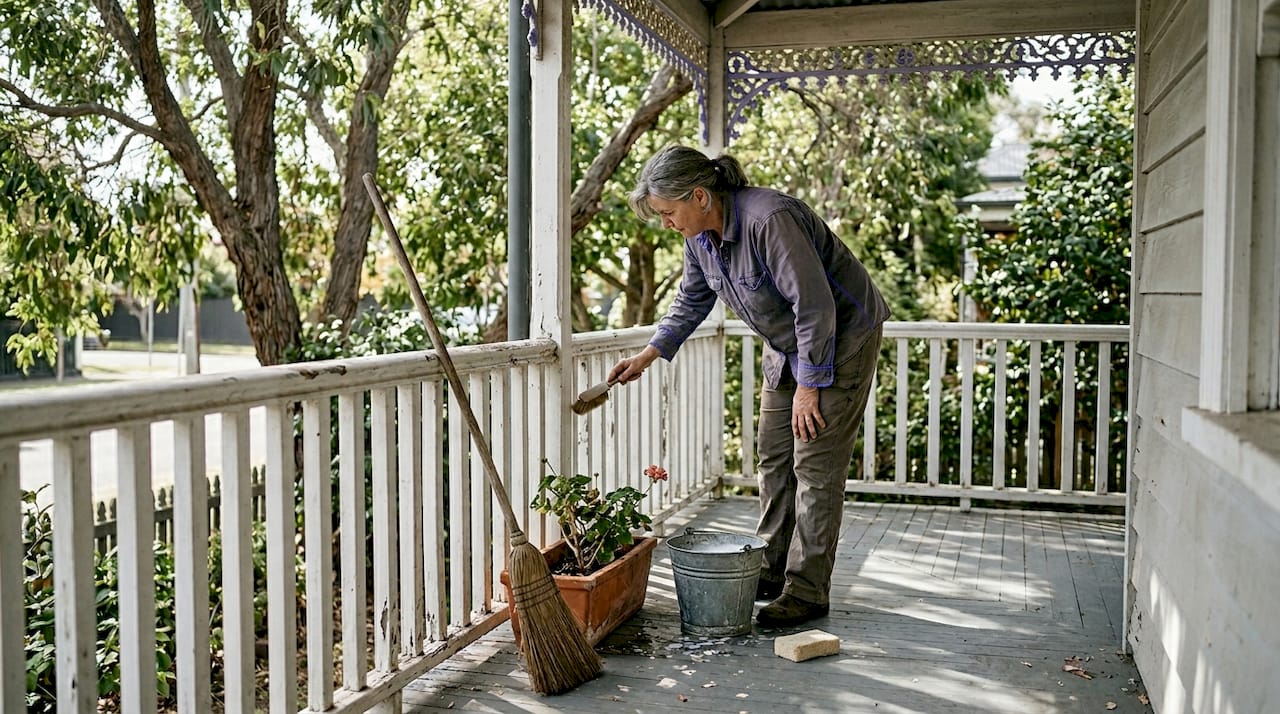
Melbourne’s reactive clay soils expand and contract with moisture changes, causing continuous movement in timber structures. This movement creates micro-cracks in rigid fillers and paint films, allowing moisture penetration and accelerating decay. Flexible, lime-based fillers accommodate this movement, maintaining their seal as timber expands and contracts through seasonal cycles.
Traditional rigid fillers fail in Melbourne conditions because they cannot flex with timber movement. When rigid fillers crack, water enters the substrate, causing rot and paint delamination. Lime-based fillers remain slightly porous and flexible, allowing timber to breathe while moving with substrate expansion.
| Preparation method | Effect on fretwork | Longevity | Heritage suitability |
|---|---|---|---|
| Dry sandblasting | Erodes fine details, splinters timber | Poor | Not recommended |
| Wet abrasive blasting | Gentle removal, preserves detail | Excellent | Highly suitable |
| Chemical stripping | Can damage timber fibres | Moderate | Use with caution |
| Hand scraping | Labour intensive, very gentle | Good | Traditional choice |
Pro Tip: Schedule gentle maintenance cleaning every two years to prevent heavy buildup requiring aggressive removal methods. Regular light cleaning extends both paint and timber life significantly.
Wet abrasive blasting uses fine media suspended in water, creating a gentler cleaning action that removes corrosion and paint without damaging substrate. The water cushions impact, preventing the erosion and pitting that dry methods cause on delicate surfaces. This technique is particularly valuable for restoring rusted verandah posts, balustrades, and decorative brackets without losing original profiles.
Proper fretwork preparation includes:
- Inspect for structural damage requiring repair before cleaning
- Remove loose paint and rust with wet abrasive blasting
- Fill cracks and gaps with flexible lime-based compounds
- Prime immediately after cleaning to prevent flash rusting
- Apply compatible topcoats designed for exterior timber movement
Clay soil movement affects not just foundations but all timber elements attached to the structure. Window frames, door casings, and decorative trim all experience stress from building movement. Preparing these elements requires understanding that rigid approaches will fail. Flexibility in both fillers and paint systems ensures coatings move with the substrate rather than cracking and peeling.
Melbourne’s climate adds another layer of complexity. Rapid temperature fluctuations between hot summer days and cool nights accelerate paint degradation. Surface preparation must account for this by ensuring perfect adhesion and using primers that accommodate thermal expansion. Understanding heritage window repair guide Melbourne Victorian homes techniques helps coordinate window restoration with overall repainting projects.
Step-by-step surface inspection and repair before repainting heritage properties
Thorough inspection before preparation begins prevents costly surprises and ensures all defects are addressed. Start by examining the entire exterior in good natural light, noting areas of paint failure, timber rot, masonry cracks, and moisture staining. Document findings with photographs to track repairs and create a systematic work plan.
Lead paint testing is mandatory before disturbing surfaces on homes built before 1970. Simple test kits available from hardware stores provide initial screening, but professional laboratory analysis offers definitive results. If lead is present, safety protocols require containment, protective equipment, and proper disposal of waste materials.
- Conduct visual inspection of all surfaces to be painted
- Test for lead paint in multiple locations across the home
- Probe timber with a sharp tool to identify rot and soft spots
- Check masonry for cracks, spalling, and mortar deterioration
- Identify moisture sources causing paint failure or substrate damage
- Remove deteriorated material back to sound substrate
- Repair structural defects before cosmetic preparation begins
- Fill cracks and gaps with lime-based materials matching original composition
- Prime bare surfaces immediately after repair to prevent moisture absorption
- Verify all repairs are fully cured before applying topcoats
Timber rot requires complete removal of affected material plus a margin of sound timber to ensure all decay is eliminated. Probe surrounding areas thoroughly because rot often extends beyond visible damage. Replace rotted sections with timber matching the original species and grain orientation to maintain structural performance and appearance.
Lime-based repair materials are essential for heritage masonry and render. Modern cement-based products are harder and less permeable than original lime mortars, trapping moisture and causing adjacent historic material to deteriorate. Lime mortars remain breathable and flexible, allowing walls to dry naturally and accommodate minor movement without cracking.
Pro Tip: Early detection of rot and moisture problems prevents extensive damage requiring major restoration. Annual inspections catch issues while repairs remain minor and affordable.
Moisture management is fundamental to successful heritage repainting. Paint applied over damp substrates will fail regardless of preparation quality. Identify and eliminate moisture sources such as leaking gutters, rising damp, and condensation before painting. Allow repaired areas to dry completely, which may take weeks depending on material thickness and weather conditions.
Lead paint removal requires certified professionals for extensive projects. Small areas can be managed by homeowners using wet methods to minimise dust, but large-scale removal demands specialised equipment and training. Encapsulation, where lead paint is sealed under new coatings, offers a safer alternative when removal is impractical. Understanding safety standards heritage home painting Melbourne 2026 requirements ensures compliance with current regulations.
Comparing surface preparation approaches: traditional vs modern methods for heritage repainting
Traditional surface preparation relied on aggressive mechanical and chemical methods that often damaged historic materials. Dry sandblasting, caustic strippers, and high-pressure washing removed paint effectively but at the cost of substrate integrity. Modern approaches prioritise gentler techniques that clean thoroughly while preserving original fabric.
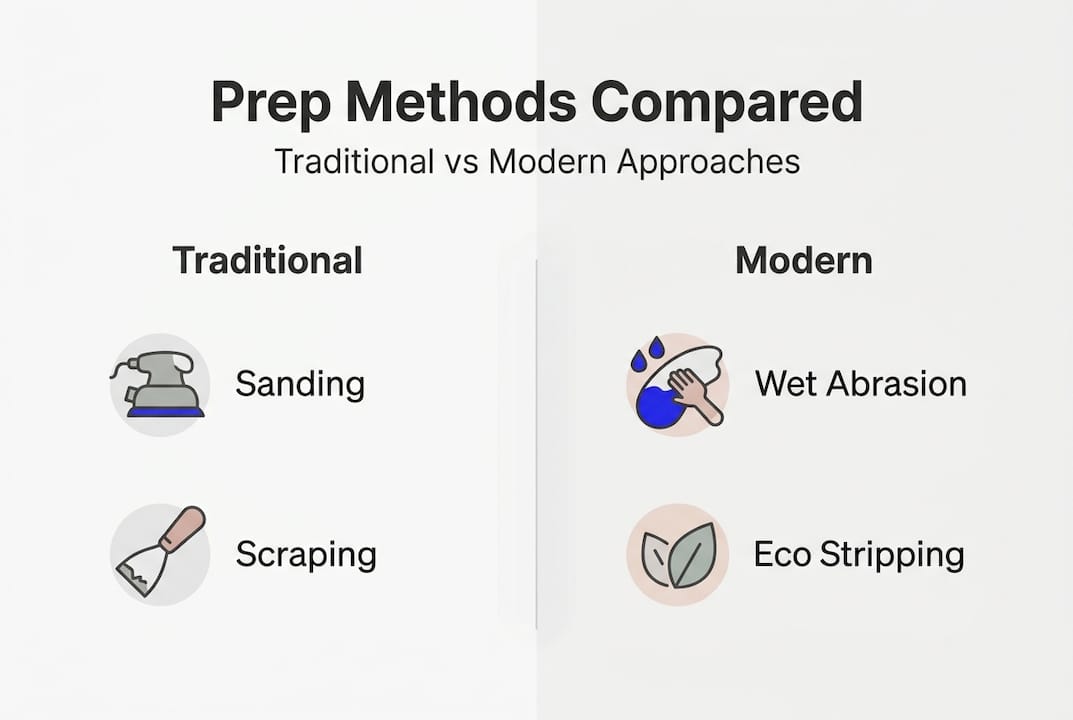
| Method | Process | Cost | Longevity | Heritage suitability |
|---|---|---|---|---|
| Traditional sandblasting | Dry abrasive under high pressure | Moderate | Poor, damages substrate | Not suitable |
| Modern wet blasting | Water-cushioned media | Higher initial | Excellent, preserves detail | Highly suitable |
| Chemical stripping | Caustic or solvent-based removers | Low to moderate | Variable, can damage timber | Use selectively |
| Hand scraping | Manual removal with tools | High labour cost | Good, very gentle | Traditional choice |
| Heat gun removal | Controlled heat softens paint | Moderate | Good, risk of scorching | Suitable with care |
Modern preparation methods deliver superior results by working with heritage materials rather than against them. Wet abrasive blasting removes coatings without eroding substrates. Infrared paint removal softens multiple layers for easy scraping without toxic fumes or substrate damage. These techniques take longer and cost more initially but eliminate the damage repair expenses that traditional methods create.
Proper surface preparation extends paint life dramatically, reducing the frequency of repainting from every 5 years to every 10 or more. This longevity comes from better adhesion achieved through thorough cleaning and appropriate priming. Modern primers designed for heritage substrates bridge the gap between old materials and new paint systems, ensuring compatibility and performance.
Key advantages of modern preparation methods:
- Preserve original material thickness and surface texture
- Reduce dust and containment requirements compared to dry methods
- Allow selective removal, keeping sound paint layers intact
- Minimise health risks from lead paint and chemical exposure
- Deliver cleaner surfaces for superior paint adhesion
Common pitfalls to avoid during surface preparation:
- Using high-pressure washing that drives moisture into substrates
- Applying rigid fillers that crack with timber movement
- Skipping lead testing to save time and money
- Painting over damp or inadequately dried surfaces
- Rushing preparation to meet arbitrary project deadlines
The comparison between traditional and modern methods reveals why expertise matters in heritage repainting. Knowing which technique suits each surface type, material condition, and architectural detail requires experience and training. DIY attempts often default to familiar aggressive methods that cause irreversible damage. Professional assessment identifies the gentlest effective approach for each situation.
Understanding step by step exterior painting Melbourne heritage homes processes helps homeowners appreciate the complexity involved. Each surface presents unique challenges requiring tailored solutions. Blanket approaches that treat all materials identically produce inconsistent results and unnecessary damage.
Professional heritage repainting services you can trust
Restoring and repainting heritage homes demands specialised knowledge that goes far beyond standard painting skills. Sol Shine combines expert surface preparation with deep understanding of Victorian and Edwardian architecture, ensuring your home receives treatment that honours its history while delivering modern durability. Our team uses tailored techniques designed specifically for Melbourne’s heritage properties, protecting delicate materials while achieving lasting, beautiful results.

We recognise that every heritage home tells a unique story through its materials and craftsmanship. Our approach begins with thorough assessment, identifying the gentlest effective methods for your home’s specific conditions. From wet abrasive blasting of intricate fretwork to lime-based repairs matching original construction, we preserve architectural character while preparing surfaces for optimal paint performance. Trust professional painters who understand that shortcuts compromise both heritage value and long-term results. Early consultation helps plan maintenance strategies that maximise paint lifespan and protect your investment. Explore our premium heritage painting services Melbourne to see how we combine traditional respect with modern expertise. View our exterior painting archives and interior painting archives showcasing completed heritage projects across Melbourne’s inner east and bayside suburbs.
Frequently asked questions
Why is surface preparation critical for repainting Victorian and Edwardian homes?
Surface preparation ensures paint adheres properly to aged, delicate materials that modern aggressive techniques can damage. Without thorough prep, moisture trapped under new paint causes peeling, blistering, and accelerated rot in historic timber and masonry. Proper preparation removes deteriorated material, addresses underlying structural issues, and creates the clean, stable foundation necessary for paint systems to perform as designed. It also allows repairs using lime-based materials that match original construction, preserving heritage authenticity while preventing future problems. The investment in quality preparation pays dividends through dramatically extended paint life and reduced maintenance costs.
What are the safest methods for preparing heritage fretwork for repainting?
Wet abrasive blasting is the preferred method because water-cushioned media removes rust and old paint without the destructive force of dry sandblasting that splinters timber. This gentle technique preserves fine details and original profiles that define fretwork’s architectural value. Flexible lime-based fillers should be used for cracks and gaps because they accommodate timber movement caused by Melbourne’s reactive clay soils, preventing the cracking that rigid fillers experience. Avoid harsh chemical strippers that can degrade historic timber fibres and weaken joints. Hand scraping remains a viable traditional option for small areas, though it requires significant labour and skill to achieve consistent results without damage.
How do I check for and manage lead paint during heritage repainting?
Use lead paint testing kits available from hardware stores for initial screening, or hire certified professionals for laboratory analysis that provides definitive results. Testing multiple locations across the home is essential because lead content varies between paint layers and application periods. If lead is present, strict safety protocols require containment of work areas, use of protective equipment including respirators, wet methods to minimise dust, and proper disposal of waste materials. For extensive lead paint removal, hire certified professionals with specialised equipment and training. Encapsulation, where lead paint is sealed under new coating systems, offers a safer alternative when complete removal is impractical or would damage historic substrates.
How long should I wait after surface preparation before applying primer?
Prime bare timber and metal surfaces within 24 hours of preparation to prevent moisture absorption and flash rusting that compromise adhesion. Masonry and render repairs require longer curing times, typically two to four weeks depending on material thickness, weather conditions, and humidity levels. Rushing this curing period traps moisture under paint, causing blistering and delamination. Use a moisture meter to verify substrates have dried to acceptable levels before priming. Temperature also matters because primers require minimum temperatures for proper film formation, usually above 10 degrees Celsius. Plan preparation schedules around weather forecasts to ensure optimal conditions for both prep work and primer application.
What makes lime-based materials better than modern fillers for heritage homes?
Lime-based materials match the composition, porosity, and flexibility of original heritage construction, ensuring compatibility and long-term performance. Unlike rigid cement-based products, lime mortars and fillers remain slightly flexible, accommodating the movement inherent in old buildings without cracking. They are also more porous, allowing walls to breathe and moisture to evaporate naturally rather than becoming trapped and causing decay. Modern hard fillers create stress points where differential movement occurs, leading to cracks that allow water penetration. Lime materials are weaker than the substrates they repair, meaning any future movement or stress causes the filler to fail rather than damaging irreplaceable original fabric. This sacrificial behaviour protects historic materials while remaining easily repairable using traditional techniques.


