
TL;DR:
- Heritage home painting trends in 2026 favor warm, earthy palettes like creams, greiges, sage greens, and terracottas for better longevity and resale value. The focus is on traditional colours applied with breathable, mineral-based paints and expert preparation, including lead-safe removal and structural repairs. Hiring experienced heritage painters ensures proper application and adherence to historical guidelines, protecting the home’s fabric and market appeal.
Heritage home painting trends in 2026 are defined by a clear shift toward warm, earthy palettes that honour period architecture while protecting long-term market value. Cool greys and stark whites are giving way to soft creams, stone greiges, muted sage greens, and clay terracottas across Melbourne’s Victorian and Edwardian streetscapes. Facade simulation data from 16,983 properties shows heritage-style homeowners revise their colour choices 18% less often than modern-style owners. That figure tells you something important: traditional palettes simply age better. For Melbourne homeowners weighing aesthetics against resale value, the 2026 direction is clear and well-supported.
1. What are the top heritage home painting trends for 2026?
The dominant trend in heritage home painting for 2026 is the return of warm, nature-inspired neutrals over the cool, minimal tones that dominated the previous decade. Soft creams, stone greiges, muted sage greens, and clay terracottas are now the benchmark for period-appropriate exteriors. These shades work with Australian light rather than against it, which is a particular advantage in Melbourne’s variable conditions.
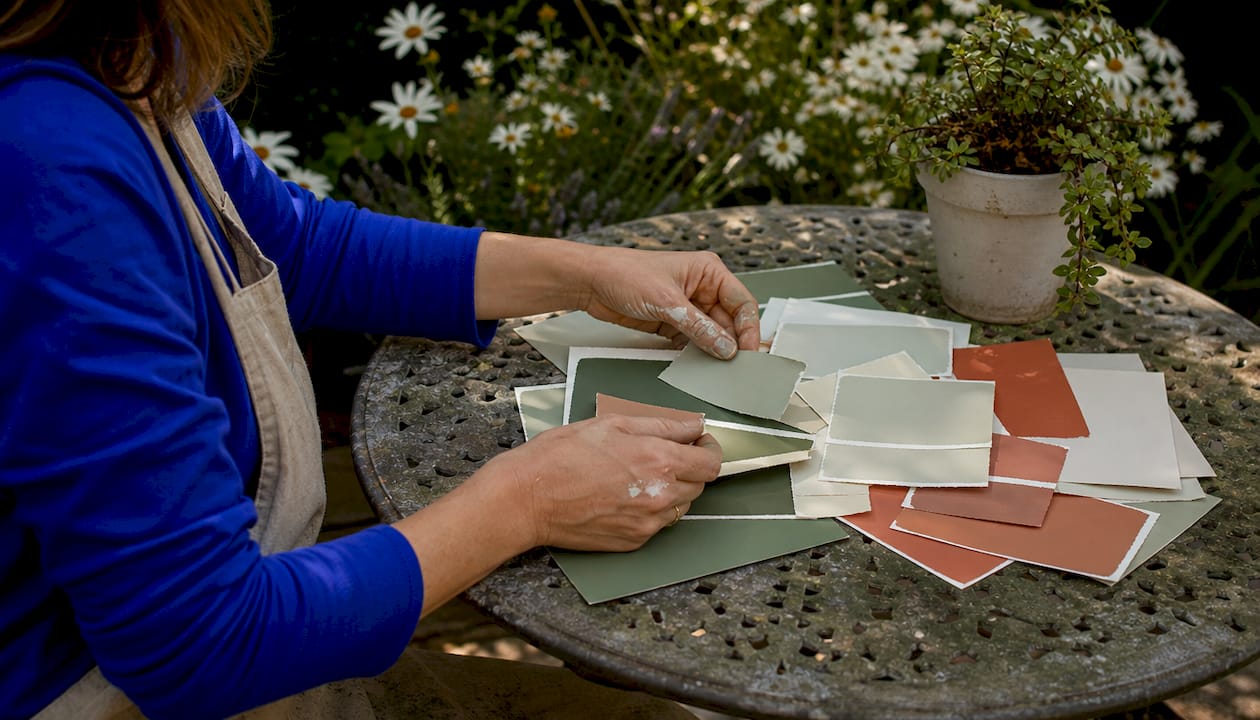
The cultural driver behind this shift is worth noting. The move toward traditional palettes reflects a broader preference for permanence, depth, and sustainability over short-lived aesthetic trends. Homeowners are choosing colours they will not regret in five years. That mindset aligns well with the financial logic of heritage restoration, where quality and longevity justify the investment.
2. Best exterior colours for Melbourne heritage homes
Selecting the right exterior colour for a Victorian or Edwardian home requires understanding how each shade interacts with the home’s original materials and the surrounding streetscape. The following colours perform consistently well on Melbourne heritage facades:
- Soft cream and warm white: Shades like Dulux Lexicon Quarter or similar warm off-whites read as period-correct without the harshness of a bright white. They suit rendered and brick facades equally.
- Stone greige: A warm blend of grey and beige that complements bluestone details and unpainted brick. Works well on Italianate and Federation-style homes.
- Muted sage green: A desaturated, earthy green that references Victorian-era botanical palettes. Particularly effective on weatherboard homes in Kew and Hawthorn.
- Clay terracotta: A warm, reddish-brown tone that suits homes with terracotta roof tiles or exposed brick detailing.
- Charcoal and deep slate: Reserved for rooflines and secondary elements rather than main facades. Adds depth without overwhelming period detail.
Pro Tip: Avoid testing paint colours on a small swatch alone. Paint a full square metre on the actual wall and observe it across morning, midday, and late afternoon light before committing.
Heritage homes painted with traditional earthy tones sustain market value better than those finished in trendy bright colours. The reason is straightforward: classic palettes do not date, so the home looks fresh for decades rather than years.
3. How to use trim and accent colours for period features
Trim and accent colours are where heritage homes gain their character. The 2026 standard for period-appropriate accents centres on three core options: heritage green, navy, and deep claret. Each of these rich accent colours creates a strong contrast against warm cream or stone walls without veering into a modern pastiche.
Applying these accents well requires understanding which elements to highlight:
- Verandah posts and brackets: Heritage green or deep navy draws the eye to ornate ironwork and timber fretwork without overpowering it.
- Window frames and sashes: A deep claret or forest green on timber sashes references original Victorian colour schemes and adds visual weight to the facade.
- Front doors: A bold accent colour on the front door is the one place where a heritage home can absorb a richer, more saturated tone without losing historical legibility.
- Fascias and bargeboards: These are best kept in a tone that sits between the wall colour and the trim accent, creating a layered rather than flat result.
Pro Tip: Use a satin or semi-gloss finish on timber trims. It adds depth, makes the detail read more clearly from the street, and holds up better against Melbourne’s weather than flat finishes.
Stark white trims can look jarring on heritage homes. Softer cream or stone tones on trims better complement period architecture and avoid the visual disconnect that comes from mixing warm walls with cold white accents.
4. Which painting techniques best preserve heritage materials?
Choosing the right technique matters as much as choosing the right colour. Heritage masonry, in particular, requires a fundamentally different approach to modern construction.
- Use breathable mineral-based paints on masonry. Breathable mineral-based paints and limewash are the preferred choice for heritage masonry in 2026. Standard acrylics trap moisture inside the wall, which causes spalling, efflorescence, and long-term structural damage.
- Complete lead-safe paint removal before any new coat. Many Melbourne homes built before 1970 carry lead-based paint on their surfaces. Proper containment, removal, and disposal by a licensed tradesperson is not optional. It protects the occupants and ensures the new paint system bonds correctly.
- Repair before you paint. Render cracks, damaged brickwork, and rotted timber must be addressed before any paint is applied. Painting over structural defects accelerates their deterioration rather than concealing it.
- Apply historically accurate paint systems in sequence. A compliant heritage repaint involves primer, undercoat, and topcoat stages, each suited to the substrate. Skipping stages to save time compromises adhesion and longevity.
- Approach colour drenching with restraint. Colour drenching, where walls, trims, and ceilings share the same tone, is popular in contemporary interiors. On heritage homes, colour drenching should be modulated carefully to avoid masking intricate detailing and erasing the historical legibility of the building.
Proper heritage painting involves multi-stage preparation including lead-safe removal, structural repair, and specialist paint application. Experienced restorers caution homeowners that quality work takes weeks, not days. Rushing the process to reduce cost is the single most common cause of premature paint failure on period homes.
5. What sustainability factors should Melbourne heritage homeowners consider?
Sustainability in heritage painting is not just about the environment. It is also about protecting the original building fabric and reducing the frequency of repaints.
Eco-friendly, breathable paint materials suited to heritage substrates are now widely available in Australia. These products reduce the risk of moisture damage, which is the primary cause of paint failure on older homes. They also carry lower volatile organic compound (VOC) loads, which benefits both indoor air quality and the surrounding environment.
Pro Tip: Ask your painter for the technical data sheet on any product they propose for masonry. If it does not list vapour permeability, it is likely not suitable for heritage substrates.
The table below compares paint types by their suitability for heritage homes across key performance criteria.
| Paint type | Breathability | Heritage suitability | Durability on old substrates |
|---|---|---|---|
| Mineral-based paint | High | Excellent | Very good |
| Limewash | Very high | Excellent | Good with maintenance |
| Acrylic paint | Low | Poor on masonry | Good on new surfaces |
| Oil-based enamel | Moderate | Good on timber trims | Very good |
| Low-VOC water-based | Moderate | Good on prepared surfaces | Good |
Warm, earthy tones also contribute to longevity in a less obvious way. Because they do not date quickly, homeowners are less likely to repaint for aesthetic reasons alone. Fewer repaints mean less material consumption and less disruption to the original building fabric over time.
6. When should you hire a specialist heritage painter?
Not every painting project requires a specialist. A heritage home does. The combination of aged substrates, lead paint risk, council heritage overlays, and intricate period detailing creates a level of complexity that general painters are not equipped to manage.
Hire a specialist heritage painter when:
- Your home sits under a Heritage Overlay in the Melbourne planning scheme, which requires council-compliant colour and material choices.
- The existing paint system contains lead, requiring licensed removal and disposal.
- The project involves render repair, brickwork repointing, or timber restoration alongside painting.
- The facade includes ornate timber fretwork, cast iron lacework, or decorative plasterwork that requires careful masking and hand-brushing.
- The project scope exceeds a straightforward repaint and involves structural repairs or material replacement.
Specialist heritage painters bring knowledge of historically accurate colour systems, compatible paint products, and the preparation standards required to make a repaint last. The most common pitfalls they prevent include paint delamination from incompatible systems, moisture damage from non-breathable coatings, and council non-compliance from incorrect colour selections.
Sol Shine works across Melbourne’s inner east and bayside suburbs, including Kew, Hawthorn, Camberwell, Brighton, and Malvern, on heritage restoration and painting projects typically valued at $20,000 and above. Their heritage painting expertise covers the full scope from colour selection through to structural repairs and final coat.
Key takeaways
The most effective approach to heritage home painting in 2026 is to select warm, breathable, period-appropriate palettes applied over properly prepared substrates by painters with genuine heritage restoration experience.
| Point | Details |
|---|---|
| Warm palettes dominate 2026 | Soft creams, sage greens, and clay terracottas replace cool greys as the period-correct choice. |
| Accent colours define character | Heritage green, navy, and deep claret on trims highlight period features without modern pastiche. |
| Breathable paints protect masonry | Mineral-based paints and limewash prevent moisture damage that acrylics cause on old substrates. |
| Preparation determines longevity | Lead-safe removal, structural repairs, and sequential paint application are non-negotiable steps. |
| Specialist painters add measurable value | Heritage overlay compliance, compatible paint systems, and skilled detailing protect both the home and its resale value. |
Melbourne light changes everything: a painter’s perspective
Most homeowners I speak with arrive at a colour decision by looking at a paint chip under a showroom light. That is the single biggest mistake in heritage colour selection. Melbourne’s light is cooler and more diffuse than Sydney’s, which means warm tones read differently here. A soft cream that looks golden in Queensland reads as a clean, refined neutral in Kew or Hawthorn. That is actually an advantage for heritage homes, because those tones sit beautifully against bluestone, red brick, and unpainted render without fighting the environment.
The other misconception I encounter regularly is that a heritage home needs to look exactly as it did when it was built. That is not what heritage guidelines require, and it is not what the market rewards. What buyers and councils both respond to is a palette that feels period-appropriate and well-considered. A warm stone greige with deep navy trims reads as Victorian without being a museum piece. That balance is where the real value sits.
I have also seen homeowners chase trends at the wrong end of the project. They spend months selecting the perfect colour and then accept the cheapest quote for preparation. The colour is the last 10% of the result. The other 90% is what happens before the first topcoat goes on. Proper lead-safe prep, compatible primer systems, and repaired substrates are what make a heritage repaint last 15 years instead of five. Get those right and the colour choice becomes straightforward.
— Jarrad
Sol Shine’s heritage painting services for Melbourne homeowners
Sol Shine brings together heritage painting and full restoration under one roof, which means Melbourne homeowners do not need to coordinate multiple trades for a complex project. The team works with 2026 colour trends and sustainable paint materials suited to Victorian and Edwardian substrates, covering everything from colour selection through to render repair, timber restoration, and final coat.

Every project begins with a thorough assessment of the existing paint system, substrate condition, and any heritage overlay requirements. That preparation stage is what separates a repaint that lasts from one that fails within a few years. Browse Sol Shine’s heritage painting project portfolio and exterior painting work to see the standard of finish delivered across Melbourne’s inner east and bayside suburbs. Contact Sol Shine directly to discuss your project.
FAQ
What colours are trending for heritage homes in 2026?
Warm neutrals including soft creams, stone greiges, muted sage greens, and clay terracottas are the leading choices for heritage exteriors in 2026. These shades replace the cool greys and stark whites that dominated the previous decade.
Why should I avoid acrylic paint on heritage masonry?
Acrylic paint has low breathability and traps moisture inside old masonry walls, which causes spalling and long-term structural damage. Mineral-based paints and limewash are the correct choice for heritage substrates.
How long does a heritage home repaint take?
A compliant heritage repaint involving lead-safe preparation, structural repairs, and multi-stage paint application typically takes several weeks. Rushing the process is the most common cause of premature paint failure on period homes.
Do I need council approval to repaint my heritage home in Melbourne?
Homes under a Heritage Overlay in the Melbourne planning scheme may require council approval for colour changes, particularly on the exterior facade. A specialist heritage painter can advise on compliance requirements before work begins.
What accent colours work best on Victorian and Edwardian trim?
Heritage green, navy, and deep claret are the 2026 standard for period-appropriate trim accents. These colours contrast well against warm cream or stone walls and highlight ornate timber and ironwork details without looking modern.


