
Victorian and Edwardian homes across Melbourne’s inner east and bayside suburbs hold timeless character, but their beauty depends on proactive maintenance. When early warning signs of paint deterioration go unnoticed, moisture ingress, timber rot and structural damage can follow, reducing both kerb appeal and property value. Recognising the clearest repainting indicators allows you to protect your heritage investment before minor wear escalates into costly restoration work. This guide walks you through the most reliable signals that your Melbourne period home is due for professional repainting, covering interior and exterior symptoms, climate impacts, and the decision between DIY touch-ups and expert heritage restoration.
Table of Contents
- How to spot when your Melbourne home needs repainting
- Common interior paint issues in heritage homes
- Exterior paint damage unique to Melbourne’s climate
- How failing paint affects heritage home value and kerb appeal
- Comparison: DIY touch-ups versus professional repainting
- When should you repaint? Frequency and climate impact
- Protect your heritage home with expert repainting from Sol Shine
- Frequently asked questions
Key Takeaways
| Point | Details |
|---|---|
| Spot early signs | Look for flaking, fading or mould as the first warnings your paint needs attention. |
| Act before damage spreads | Prompt repainting prevents costly moisture and structural problems in heritage homes. |
| Professional results last longer | Professional painters offer better prep, regulation compliance and extended protection. |
| Consider climate impact | Melbourne’s weather can shorten repainting intervals, so inspect regularly. |
How to spot when your Melbourne home needs repainting
Now that you’ve seen why timely recognition matters, let’s break down the warning signs specific to your Melbourne period home. Visible paint deterioration is often an early warning for further weather or water damage, so catching these symptoms early saves both money and heritage fabric.
Cracking, flaking or blistering paint surfaces are the most common indicators. When paint loses adhesion, it pulls away from timber or render, creating gaps where moisture can penetrate. On weatherboards, you’ll notice small cracks running parallel to the grain. On rendered façades, paint may bubble or peel in sheets, especially after wet winters.
Noticeable discolouration or fading from UV exposure appears on north and west-facing walls first. Melbourne’s intense summer sun breaks down paint pigments, leaving once-vibrant colours washed out and chalky. Heritage trim details lose their crisp definition, and darker shades fade to patchy, uneven tones.
Persistent damp spots, mould or mildew signal that paint is no longer providing a moisture barrier. You’ll see dark patches on external walls near downpipes, under eaves, or around window sills. Inside, mould often appears on ceilings near bathrooms or in poorly ventilated rooms, indicating that the paint film has failed.
Timber swelling or rot around windows and weatherboards becomes visible when paint no longer seals the substrate. Window frames may stick or warp, and weatherboards can show soft spots when pressed. This deterioration accelerates rapidly once moisture enters, compromising the structural integrity of original timber.
Heritage feature details losing definition is a subtle but critical sign. Ornate corbels, brackets, and decorative mouldings should display sharp edges and clean lines. When multiple paint layers build up or flake unevenly, these details blur, diminishing the architectural character that defines your period home.
Pro Tip: Check high-exposure façades and ornate trim first, as they reveal the earliest problems. Walk around your property in morning light, when low sun angles highlight surface irregularities that midday glare conceals.
Key repainting signals to watch for include:
- Paint that feels chalky or powdery when touched
- Hairline cracks spreading across rendered surfaces
- Peeling or bubbling near joints and seams
- Colour mismatch between shaded and exposed areas
- Water stains or rust streaks below metal fixtures
“The condition of your paintwork is the first line of defence against Melbourne’s weather. Once that barrier fails, every rainstorm and heatwave accelerates damage to the timber and masonry beneath.”
Common interior paint issues in heritage homes
With exteriors covered, let’s step inside to examine how heritage interiors show they’re due for renewal. Faded, peeling or stained interior paint impacts both protection and aesthetics, and the symptoms differ from those you’ll see outside.
Peeling or bubbling near windows and on ceilings is the most obvious interior sign. Condensation from single-glazed sash windows causes paint to lift and blister, especially in bedrooms and bathrooms. Ceiling paint bubbles or sags when roof leaks allow moisture into plaster, creating brown water stains that spread over time.
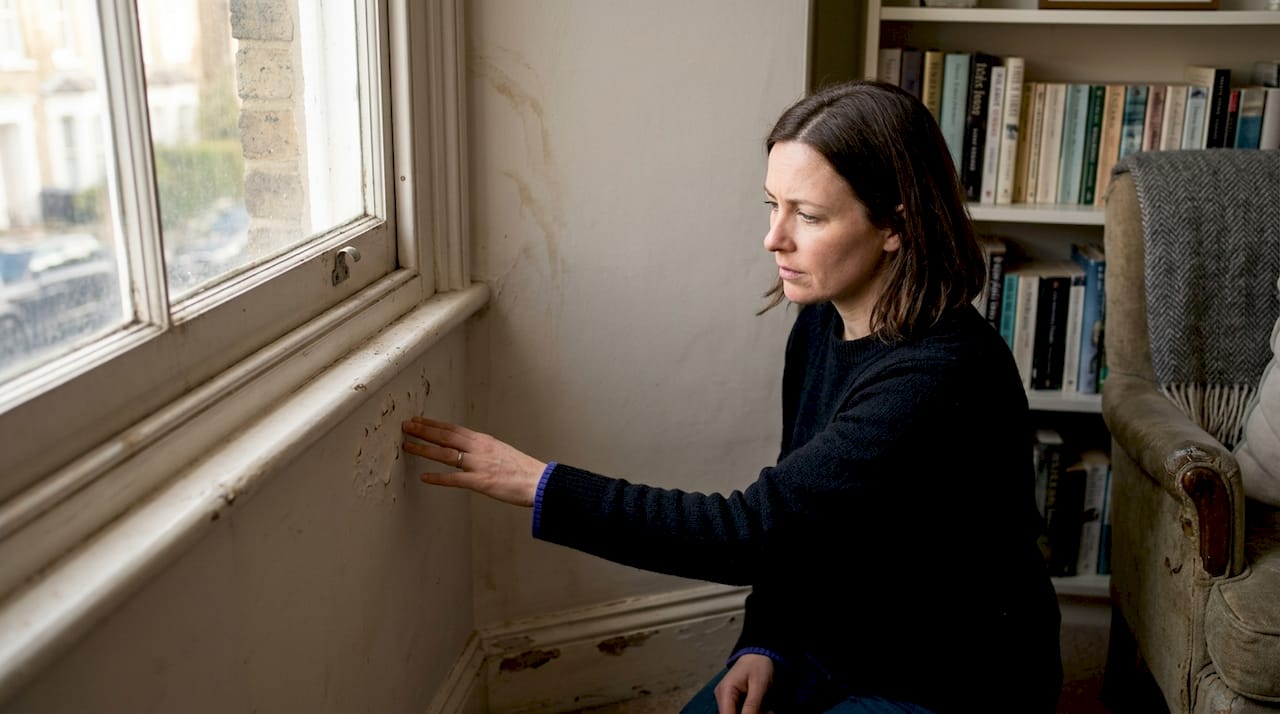
Water stains, often brown or yellow patches on ceilings and walls, indicate past or ongoing leaks. Even after the source is repaired, these stains bleed through fresh paint unless properly sealed. In heritage homes, stains frequently appear around chimneys, in corners where gutters overflow, and near bathroom plumbing.
Persistent scuff marks and stains that don’t clean off suggest the paint surface has worn through to the substrate. High-traffic areas like hallways, staircases, and door frames show this wear first. When scrubbing with mild detergent no longer removes marks, the paint has lost its protective finish and needs replacement.
Patchy coverage or mismatched previous touch-ups create an uneven, unprofessional appearance. Homeowners often attempt spot repairs with leftover paint that has aged differently from the original application. The result is a patchwork of slightly different sheens and tones that draws attention rather than blending in.
Pro Tip: Use a bright torch held flat against walls to spot subtle surface flaws. Shine the beam along the wall at a shallow angle, and imperfections like ridges, dents, and uneven texture become immediately visible. This technique reveals problems that overhead lighting masks.
Common interior paint issues in period homes include:
- Yellowing on white or cream ceilings from age and smoke
- Cracking along plaster joins and cornices
- Flaking around window sills and architraves
- Mould growth in corners with poor air circulation
- Faded or discoloured paint on feature walls
Addressing these interior symptoms promptly prevents moisture damage to original plasterwork and timber joinery. Fresh interior paint also improves indoor air quality by sealing old layers that may contain lead or other contaminants common in pre-1970 homes.
Exterior paint damage unique to Melbourne’s climate
Understanding interior warning signs is essential, but Melbourne’s climate poses unique challenges for the outside of your heritage home. The city’s combination of wet winters, intense UV exposure, and rapid temperature swings accelerates paint deterioration faster than in more stable climates.
Cracking and splitting caused by Melbourne’s wet winters and intense sun is the primary external threat. Timber weatherboards expand when wet, then contract as they dry, creating stress on the paint film. Over repeated cycles, this movement causes paint to crack along the grain. North and west-facing walls experience the most severe cracking because they receive the harshest sun exposure.
Peeling paint on weatherboards, windows and ornate trims follows once cracks allow moisture beneath the surface. Water penetrates through hairline cracks, then freezes and expands during cold snaps, lifting entire sections of paint. Window sills and horizontal trim surfaces peel first because they hold water longer after rain.
Fungal or mould growth in areas with poor sunlight is common on south-facing walls and under eaves. Melbourne’s humid winters create ideal conditions for mould spores, which appear as black or green patches on painted surfaces. Once established, mould feeds on organic matter in the paint, breaking down the film and creating a rough, discoloured surface.
Statistic callout: Unmaintained paintwork can make homes up to 50% more vulnerable to peeling and environmental damage. This figure reflects how quickly deterioration accelerates once the protective paint barrier is compromised.
“Paint left to deteriorate accelerates rot and wood decay. What begins as a cosmetic issue becomes a structural problem within a single wet season, especially on heritage homes where original timber is irreplaceable.”
Melbourne’s climate challenges include:
- UV radiation that breaks down paint binders and pigments
- Heavy winter rainfall that penetrates failed paint films
- Temperature swings of 15-20 degrees in a single day
- Salt-laden winds in bayside suburbs that corrode paint
- Prolonged shade and dampness promoting mould growth
Understanding these paint durability factors helps you anticipate when repainting will be necessary. Homes in Brighton and Malvern face salt exposure that inland properties in Kew or Camberwell don’t encounter, while south-facing walls across all suburbs require more frequent mould treatment. Implementing proper paint maintenance essentials extends the life of your exterior finish and protects the heritage fabric beneath.
How failing paint affects heritage home value and kerb appeal
Once the physical signs are visible, it’s crucial to consider what’s at risk if you don’t act. Paint deterioration impacts your property on multiple levels, from immediate visual appeal to long-term structural integrity and compliance with heritage regulations.
-
Immediate visual impact reduces perceived property value. Tired, peeling paint signals neglect to potential buyers and neighbours. First impressions form within seconds, and a home with failing paintwork appears poorly maintained regardless of its interior condition. Heritage home values can drop up to 10% with poor paint maintenance, a significant loss on properties valued over two million dollars.
-
Moisture ingress weakens original timber, risking heritage features. Once paint fails, water penetrates timber weatherboards, window frames, and decorative elements. Rot spreads quickly through original Baltic pine and Australian hardwoods, destroying irreplaceable architectural details. Replacing rotted heritage timber costs far more than preventive repainting.
-
Compliance issues arise when neglected appearance breaches heritage guidelines. Many Melbourne suburbs have heritage overlays requiring property owners to maintain the external appearance of period homes. Severely deteriorated paintwork can trigger enforcement notices from local councils, requiring immediate remediation at the owner’s expense.
-
Insurance complications emerge when maintenance is demonstrably neglected. Some insurers reduce coverage or increase premiums when homes show obvious signs of deferred maintenance. If water damage occurs due to failed paintwork, claims may be partially or fully denied on the grounds that preventive maintenance was not performed.
-
Energy efficiency declines as paint loses its reflective and insulating properties. Quality exterior paint reflects solar heat and provides a thermal barrier. As paint degrades, homes absorb more heat in summer and lose more warmth in winter, increasing energy costs and reducing comfort.
“A fresh repaint is the simplest way to protect your legacy and investment. It preserves the architectural character that makes your heritage home unique while safeguarding the structural elements that support its value.”
The connection between restoration and value is particularly strong in Melbourne’s premium suburbs. Buyers seeking period homes in Hawthorn, Malvern, and Brighton expect to see well-maintained exteriors that honour the property’s heritage. A professional repaint signals that the home has been cared for, making it more attractive and justifying a higher asking price.
Comparison: DIY touch-ups versus professional repainting
Knowing the risks and consequences, you need to decide whether to tackle repainting yourself or call in heritage experts. The choice affects not only the immediate appearance but also the long-term durability and compliance of the finish.
| Factor | DIY Touch-Ups | Professional Repainting |
|---|---|---|
| Cost | $500-$2,000 materials | $20,000+ full project |
| Quality | Variable, often patchy | Consistent, factory finish |
| Surface Preparation | Minimal, rushed | Thorough scraping, sanding, priming |
| Heritage Compliance | Unlikely to meet standards | Guaranteed compliance with overlays |
| Finish Longevity | 1-3 years before recoating | 7-10 years with proper maintenance |
| Warranty | None | Written warranty on labour and materials |
DIY attempts often lead to visible mismatches and increased long-term costs. Homeowners typically underestimate the preparation required, skipping steps like proper scraping, filling, and priming. The result is paint that adheres poorly and fails within months. Colour matching is difficult because paint ages and fades, so touch-ups stand out against the surrounding surface.
Only professionals provide compliance with local heritage painting laws and offer warranties. Professional heritage painters offer thorough preparation and warranty on finishes, ensuring that the work meets council requirements and lasts for years. They understand which paint systems suit different substrates and exposure conditions, selecting products that perform reliably in Melbourne’s climate.
Situations when you should call a professional include:
- Complex repairs involving rotted timber or damaged render
- Significant water damage requiring substrate treatment
- Properties under heritage overlays with strict appearance standards
- Multi-storey homes requiring scaffolding and safety equipment
- Projects where colour matching and finish consistency matter
- Work on ornate Victorian or Edwardian architectural details
For minor scuffs and small areas, DIY touch-ups can be acceptable as a temporary measure. However, when repainting entire rooms or external façades, professional expertise delivers results that protect your investment and comply with regulations. Following heritage home repainting tips ensures that your project respects the property’s character while delivering modern durability.
When should you repaint? Frequency and climate impact
After comparing repainting options, the next question is how often expert repainting is actually required given Melbourne’s variable weather. Victorian and Edwardian homes in Melbourne generally require painting every 5-10 years, but exposure and timber condition impact this interval significantly.
| Façade Exposure | Material | Previous Paint Type | Recommended Frequency |
|---|---|---|---|
| North-facing | Weatherboard | Premium acrylic | 7-10 years |
| West-facing | Weatherboard | Standard acrylic | 5-7 years |
| South-facing (shaded) | Weatherboard | Any type | 8-12 years (mould treatment needed) |
| East-facing | Weatherboard | Premium acrylic | 7-10 years |
| Any exposure | Brick with render | Premium acrylic | 10-15 years |
| Any exposure | Brick (painted) | Standard acrylic | 8-12 years |
Factors that shorten the repaint cycle include:
- Poor previous surface preparation, leaving contaminants or loose paint
- Water leaks from gutters, downpipes, or roof damage
- Shade and poor ventilation promoting mould growth
- Salt exposure in bayside suburbs like Brighton and Elwood
- Low-quality paint products that lack UV inhibitors
- Inadequate primer or undercoat application
Climate change effects mean heavier rain and UV can shorten intervals. Melbourne has experienced more intense rainfall events and longer dry spells in recent years. These extremes stress paint films, causing faster deterioration than historical averages would suggest. Homes that previously needed repainting every ten years may now require attention every seven or eight years.
Monitoring your home’s condition annually allows you to schedule repainting before damage becomes severe. Walk the perimeter each autumn, checking for the warning signs outlined earlier. If you notice multiple symptoms, or if it’s been more than seven years since the last repaint, contact a heritage painting specialist for an assessment. Understanding paint durability explained helps you make informed decisions about timing and product selection.
Protect your heritage home with expert repainting from Sol Shine
Recognising the signs that your Melbourne period home needs repainting is the first step toward preserving its beauty and value. Sol Shine specialises in heritage restoration and painting for Victorian and Edwardian properties across Melbourne’s inner east, bayside, and surrounding suburbs. We combine traditional craftsmanship with premium materials to deliver finishes that respect your home’s character while providing modern durability.
Our comprehensive service covers everything from initial assessment and surface preparation through to final coating and heritage compliance documentation. We handle exterior and interior painting, roof painting, timber sealing, weatherboard replacement, render repair, brickwork, damaged window repairs, timber restoration, custom joinery, and architectural woodwork. Every project receives the same attention to detail, whether it’s a single-room refresh or a complete façade restoration.
For homeowners in Kew, Hawthorn, Camberwell, Brighton, Malvern, Richmond, Fitzroy, Doncaster, Thornbury, Northcote, and Essendon, Sol Shine offers the expertise and reliability you need for large-scale heritage projects. Contact us today to discuss your repainting requirements and receive a detailed assessment of your property’s condition.
Frequently asked questions
What is the most obvious sign my home needs repainting?
The most obvious signs are peeling, flaking or faded paint, which signal the protective barrier has failed and moisture can now penetrate the substrate.
How often should I repaint a Victorian house in Melbourne?
Most heritage homes need repainting every 5-10 years, but heavy weather exposure, poor previous preparation, or low-quality paint can mean repainting is required sooner.
Is DIY repainting a good idea for heritage homes?
DIY jobs often miss heritage details and fail to meet compliance standards. Professional heritage painters ensure proper preparation and regulatory compliance, delivering results that last.
Does repainting really protect property value?
Yes, fresh paint can boost Melbourne heritage home value by up to 10% by improving kerb appeal and preventing moisture damage to original timber and masonry.
What areas of my home deteriorate fastest?
North and west-facing walls, window sills, weatherboards, and ornate timber trim deteriorate fastest due to intense UV exposure and moisture accumulation after rain.


