
TL;DR:
- Paint VOCs off-gas for months after application, making the choice of low or zero VOC paint a long-term health decision. Modern formulations now match traditional paints in performance, with zero VOC being ideal for sensitive spaces; proper ventilation remains essential even with dry surfaces. Selecting high-quality low or zero VOC paints, combined with adequate ventilation, improves indoor air quality and reduces health risks for families and occupants.
Most homeowners give little thought to what’s actually in the tin of paint they brush across their walls. The decision to use low VOC paints is one that directly affects the air your family breathes every day, not just during the renovation itself. Many people assume that once the paint dries, the risk disappears. That assumption is worth examining carefully. Paint VOCs off-gas for months after application, even when the surface feels dry to the touch. Understanding this changes how you approach every future painting project.
Table of Contents
- Key takeaways
- Why use low VOC paints: understanding VOCs first
- Health and practical benefits for your family
- How to choose the right low VOC paint
- Common myths about low VOC paints
- Environmental impact and market growth
- My honest take on low VOC paints for Australian homes
- Healthier homes start with the right paint choice
- FAQ
Key takeaways
| Point | Details |
|---|---|
| VOCs linger long after drying | Off-gassing continues for months, making paint choice a long-term health decision for your family. |
| Low VOC differs from zero VOC | Low VOC contains 50–250 g/L of compounds; zero VOC contains less than 5 g/L, making it better for sensitive spaces. |
| Health benefits are real | Fewer toxins mean reduced risk of respiratory irritation, headaches, and allergy flare-ups during and after painting. |
| Performance has improved significantly | Modern low VOC formulations match traditional paints in durability, colour retention, and coverage. |
| Professional advice matters | Working with an experienced painter helps you choose the right product for each room and surface type. |
Why use low VOC paints: understanding VOCs first
VOCs, or volatile organic compounds, are chemicals that evaporate at room temperature. In traditional paints, they serve as solvents that keep the product workable and help it adhere to surfaces. The problem is what happens once the tin is open and the painting begins.
Common health effects from VOC exposure include:
- Headaches and dizziness during and after painting
- Nausea, particularly in poorly ventilated rooms
- Respiratory irritation, including coughing and throat discomfort
- Aggravated asthma and allergy symptoms
- Eye and skin irritation with direct or prolonged exposure
Beyond immediate symptoms, long-term exposure to high VOC environments has been linked to more serious concerns. The health effects of VOC exposure include nausea and respiratory issues that are entirely preventable with the right product choice.
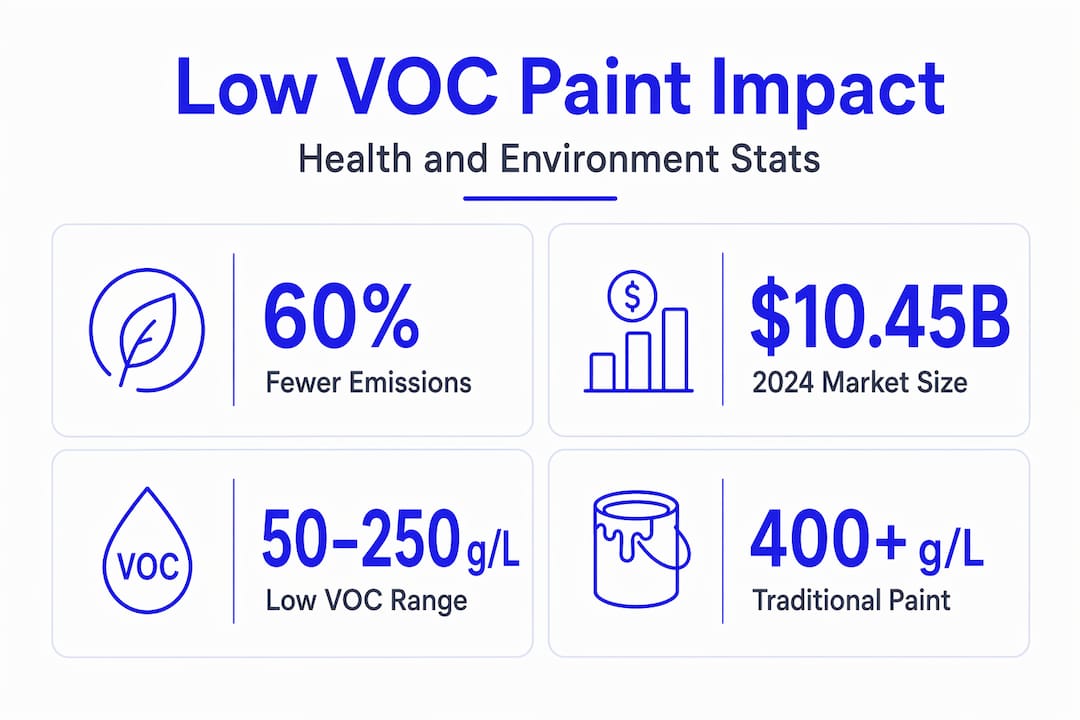
The distinction between paint types comes down to VOC concentration. Low VOC paint contains 50–250 g/L of volatile organic compounds, while zero VOC sits below 5 g/L. Traditional solvent-based paints can exceed 400 g/L. Water-based formulations have largely replaced hydrocarbon solvents, which is a significant advancement for both health and the broader environment.
For Melbourne homeowners renovating heritage properties or updating interiors, understanding this spectrum matters. You can read more about VOC levels in Melbourne homes and how they relate to specific renovation scenarios.
Health and practical benefits for your family
The benefits of low VOC paints reach well beyond the painting day itself. For families with young children, elderly residents, or anyone with respiratory sensitivities, the choice of paint becomes a genuine health consideration rather than a minor detail.
The clearest advantage is reduced chemical exposure. Fewer airborne toxins during painting means less immediate discomfort for your family and your tradespeople. Low VOC paint reduces symptoms such as nausea and respiratory irritation, which are common complaints with traditional solvent-based products.
| Feature | Low VOC paint | Traditional paint |
|---|---|---|
| VOC content | 50–250 g/L | Up to 400+ g/L |
| Odour during application | Mild | Strong and persistent |
| Re-occupancy time | Sooner with ventilation | Longer recommended wait |
| Indoor air quality impact | Significantly lower | Higher chemical load |
| Environmental impact | Reduced emissions | Higher ozone contribution |
| Long-term off-gassing | Lower risk | Continues for extended periods |
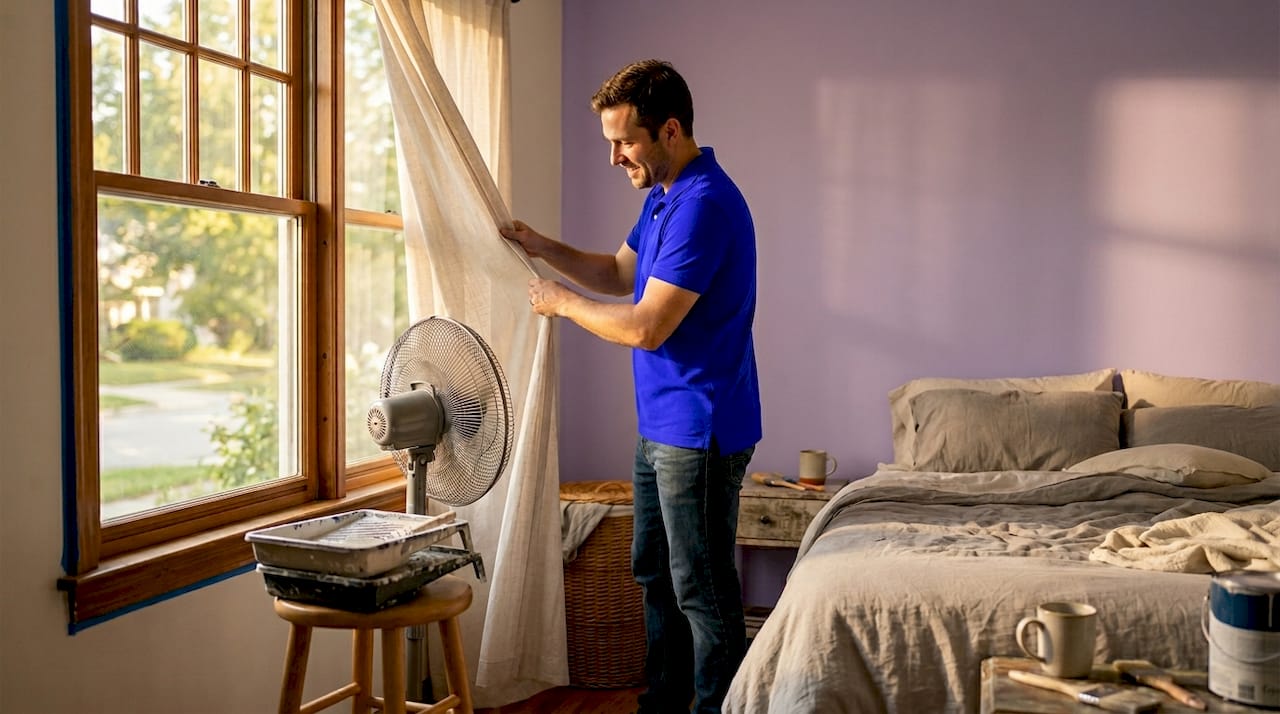
The reduced odour is one of the most practical day-to-day advantages. You can paint a bedroom on a Saturday and sleep in it sooner than you could with traditional paints, though ventilation for at least 72 hours is still recommended regardless of VOC level. Many homeowners underestimate this requirement.
Pro Tip: Even with zero VOC paint, keep windows open and a fan running for a minimum of 72 hours after painting. The paint may feel dry, but chemical compounds continue to release into the air well after the surface has cured.
Colour retention and durability in low VOC formulations have improved substantially over the past decade. Premium brands now produce water-based low VOC products that match or exceed the performance of their solvent-based predecessors. For heritage timber trims, weatherboards, and interior feature walls, the finish quality is genuinely comparable.
For homeowners painting kitchen cabinets or other high-traffic surfaces, low VOC options for kitchens are particularly worth considering when children are in the home.
How to choose the right low VOC paint
Selecting the right product involves more than picking the lowest VOC number on the label. Here is a practical approach to making a well-informed decision for your renovation.
-
Read the VOC label carefully. The number on the tin refers to the base paint. Tinting with pigments can add VOCs, sometimes significantly. Ask your supplier or painter what the tinted VOC level will be before committing.
-
Match the finish to the room. Low VOC paints come in the same range of finishes as traditional paints, from flat and low-sheen to semi-gloss and gloss. Higher-sheen finishes are better for kitchens, bathrooms, and trims where washability matters.
-
Consider zero VOC for sensitive spaces. Nurseries, children’s bedrooms, and rooms occupied by anyone with asthma or chemical sensitivities are strong candidates for zero VOC formulations under 5 g/L. The added cost is modest relative to the peace of mind.
-
Work with a painter experienced in low VOC products. Application technique matters. Some low VOC paints require slightly different preparation and drying time management. A knowledgeable painter will account for this. Explore sustainable paint choices for heritage homes for more context on selecting products suited to older Melbourne properties.
-
Plan your ventilation properly. Open windows on opposing sides of the room to create cross-ventilation. Use a fan to circulate air. Plan to vacate the space for at least 72 hours, particularly if children or pets will be returning to the room.
-
Budget honestly for quality. Zero VOC paints cost more than low VOC, and both cost more than traditional paints. However, the long-term value in health outcomes and reduced chemical exposure in your home is a reasonable trade-off, particularly for large interior repaints.
Common myths about low VOC paints
A persistent concern among homeowners is that choosing a healthier paint means accepting a compromise on quality. This is one of the most enduring myths in the industry, and it no longer holds up.
Modern low VOC formulations perform well across coverage, adhesion, and washability. Products from reputable Australian paint manufacturers have been reformulated over the past two decades. Modern paint formulations have six times lower aerosol formation potential compared to paints produced in 1990. The gap between traditional and low VOC performance has largely closed.
Other myths worth addressing directly:
- “The paint dries quickly so the VOCs are gone.” Drying and curing are different processes. VOCs off-gas for extended periods, potentially for years in poorly ventilated rooms with traditional paints.
- “Zero VOC is always the right choice.” Zero VOC is the best choice for high-sensitivity environments. For most rooms in a well-ventilated home, quality low VOC paint is both effective and sufficient.
- “Low VOC paints are too expensive for a full house repaint.” The price premium varies by brand and product line. On a large project, the cost difference is proportionally smaller than it appears on a single tin comparison.
Pro Tip: When comparing costs, factor in the full picture. A quality low VOC interior repaint in a family home protects health outcomes over years, not just during the job. That context makes the modest premium easier to justify.
For heritage homes in Melbourne’s inner east and bayside suburbs, non-toxic paint options carry additional relevance given the age of the building stock and the likelihood of existing paint layers that may already contain problematic compounds.
Environmental impact and market growth
The shift toward low VOC paints is not a niche trend. It reflects meaningful regulatory pressure and consumer demand that has reshaped how paint is manufactured globally, including in Australia.
| Indicator | Data point |
|---|---|
| Market size 2024 | USD 10.45 billion globally |
| Projected market size 2031 | USD 16.45 billion |
| Market growth rate | 6.7% CAGR to 2031 |
| EU VOC emission reduction since 2004 | Approximately 60% reduction |
| Aerosol formation improvement | Six times lower than 1990 formulations |
The EU Paints Directive reduced VOC emissions by roughly 60% since 2004, driven by a shift from hydrocarbon solvents to water-based and oxygenated alternatives. Australian regulatory frameworks have followed similar directions, with state-level air quality standards influencing product formulations available in the local market.
Choosing low VOC paint is a contribution to better outdoor air quality as well as indoor. Reduced solvent emissions mean less atmospheric ozone formation, which affects urban air quality particularly in dense residential suburbs. For homeowners interested in the broader environmental impact, eco-friendly paint selection is a decision with consequences that extend well beyond your property boundary.
My honest take on low VOC paints for Australian homes
I’ve worked across dozens of heritage properties in Melbourne’s inner suburbs, and I’ve watched the conversation around paint choice evolve considerably over the years. Early low VOC products were inconsistent. Some performed well; others required extra coats and longer drying windows that added time to a project.
What I see now is different. The premium products we use today in low and zero VOC formulations are genuinely excellent. On a recent Victorian terrace repaint in Hawthorn, the low VOC interior finish held its sheen and colour just as well as anything I’d used previously with higher VOC products. The client’s family, including two young children, moved back into the space much more comfortably.
The mistake I see most often is homeowners treating VOC content as a secondary consideration, something to think about if there’s budget left over. It should be a baseline specification from the start. The difference in cost is real but modest. The difference in health outcomes over years of living in that freshly painted home is considerably more significant.
My recommendation is simple. For interior repaints, start with a quality low VOC product as your standard. For nurseries, children’s rooms, or homes with residents who have respiratory conditions, specify zero VOC without hesitation. And regardless of product choice, ventilate properly. The paint drying does not mean the job is done in terms of air quality.
— Jarrad
Healthier homes start with the right paint choice

Sol Shine works with Melbourne homeowners across Kew, Hawthorn, Camberwell, Brighton, Malvern, and surrounding suburbs on interior and exterior painting projects where product quality and family health are priorities from the first conversation. The team specifies premium low VOC and zero VOC paints as standard on interior repaints, particularly for heritage homes where occupant health and surface compatibility both matter.
For families investing in a full interior repaint or a large-scale heritage restoration, having a painting team that understands product selection, ventilation requirements, and application technique makes a measurable difference. Browse Sol Shine’s interior painting projects to see the calibre of finish achieved with premium, health-conscious products. For those considering an exterior refresh with eco-friendly exterior painting, the same principles apply. Contact Sol Shine to discuss your project and get advice on the right product for your home.
FAQ
What does low VOC mean in paint?
Low VOC paint contains between 50 and 250 grams per litre of volatile organic compounds, compared to over 400 g/L in traditional solvent-based paints. Zero VOC paint contains less than 5 g/L and is the preferred choice for sensitive environments.
Is low VOC paint safe for children and babies?
Low VOC paint significantly reduces chemical exposure, but zero VOC paint is the safer choice for nurseries and children’s bedrooms. Regardless of VOC level, proper ventilation for at least 72 hours after painting is recommended before children return to the room.
How long do VOCs off-gas after painting?
Even when paint is dry to the touch, VOCs continue off-gassing for months, and potentially years in poorly ventilated spaces. Active ventilation for a minimum of 72 hours is recommended after any interior paint job.
Does low VOC paint perform as well as regular paint?
Yes. Modern low VOC formulations match traditional paints in coverage, adhesion, durability, and colour retention. Modern paint formulations now have six times lower aerosol formation potential than products from three decades ago, reflecting how significantly the technology has advanced.
Is low VOC paint more expensive?
Low VOC and zero VOC paints carry a modest price premium over standard options. Zero VOC tends to cost more than low VOC, but both offer better long-term value when health outcomes and reduced indoor chemical load are factored in over the life of the finish.


