
TL;DR:
- Curb appeal influences home value and buyer perception, making it essential for faster sales and higher prices. Maintaining the exterior through regular cleaning, repairs, and updates improves long-term investment returns and appraisal outcomes. Focus on quick visual enhancements and structural upgrades to boost attractiveness and protect your property.
Curb appeal is defined as the visual attractiveness of a property as seen from the street, and it is one of the most financially significant factors in real estate. 99% of realtors agree that curb appeal is essential for attracting buyers, with strong exteriors capable of boosting home value by 5% to 7%. Understanding why prioritise curb appeal goes beyond aesthetics. It shapes buyer psychology, appraisal outcomes, and your property’s long-term market position. Whether you are planning to sell or simply want to take pride in your home, the exterior is where value is made or lost.
Why prioritise curb appeal: the case for first impressions
The exterior of your home is the first thing every buyer, appraiser, and neighbour sees. Buyers form lasting opinions within seconds of seeing a property, and those opinions directly influence whether they schedule a viewing. That speed of judgement means your façade has almost no time to recover from a poor first impression.
The psychology behind this is well established. The halo effect causes buyers to view the entire home more favourably when the exterior makes a positive first impression. A neglected exterior triggers confirmation bias, meaning buyers enter the home already looking for hidden defects. Conversely, a well-maintained exterior encourages generous evaluations of every room inside.
Curb appeal also functions as perception management. A tidy garden, fresh paint, and clean pathways signal that the homeowner has cared for the property consistently. Honest curb appeal that reflects genuine care rather than artificial perfection is the most effective way to reduce a buyer’s perceived risk of hidden interior problems.
Practical signals matter here. Good exterior lighting tells buyers the home is safe and welcoming after dark. Trimmed garden edges suggest the owner attends to detail. A freshly painted front door communicates that maintenance is ongoing, not deferred.
- Lighting: Well-placed exterior lights create warmth and security.
- Garden care: Trimmed lawns and edged beds signal active upkeep.
- Paint condition: Peeling or faded paint raises immediate red flags.
- Pathways: Clean, uncracked paths suggest structural care throughout.
- Entryway: A tidy porch with a quality door handle sets the tone.
Pro Tip: Walk to the street and photograph your home’s façade. What you notice in that photo is exactly what a buyer notices on arrival. Fix the three things that stand out most.
What are the measurable benefits of strong curb appeal?
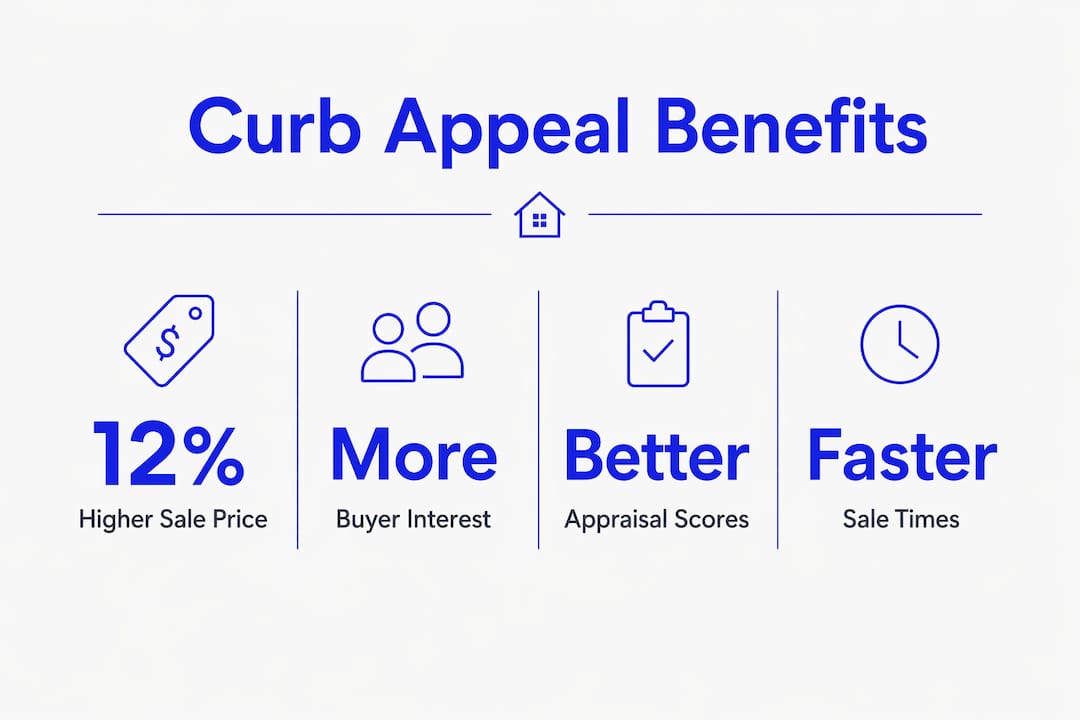
The financial case for investing in your home’s exterior is clear. Property value premiums from curb appeal range from 5% to 12% of sale price depending on local market competitiveness, with returns on well-executed projects reaching up to 238%. That return is exceptional compared to most home improvement categories.
Appraisers are directly influenced by exterior condition. Better curb appeal leads to higher condition ratings and allows appraisers to select higher-value comparable properties when calculating your home’s worth. A neglected exterior forces the appraiser to use lower-quality comps, which reduces your appraised value regardless of how well-finished the interior is.
The impact of curb appeal also shifts depending on market conditions. In balanced or buyer’s markets, strong curb appeal becomes the primary differentiator that justifies a higher asking price and prevents mental discounting by buyers. In hot seller’s markets with low inventory, buyers may overlook exterior flaws. However, relying on a seller’s market to mask a neglected exterior is a short-term strategy with long-term costs.
Strong exteriors also drive online engagement. Well-maintained homes generate more listing click-throughs, more tour requests, and stronger buyer competition before anyone sets foot inside.
| Benefit | Impact | Effort level |
|---|---|---|
| Increased sale price | 5%–12% value premium | Medium |
| Stronger appraisal outcome | Higher condition rating and better comps | Low to medium |
| More buyer enquiries | Higher click-through and tour requests | Low |
| Faster sale timeline | Fewer days on market | Low to medium |
| Reduced buyer negotiation | Less leverage for price reductions | Medium |
Which projects deliver the best curb appeal results?
The most effective curb appeal improvements fall into two categories: quick wins that deliver immediate visual impact, and structural upgrades that protect and add lasting value. Both matter, and the best approach combines them.
Quick wins with high visual return
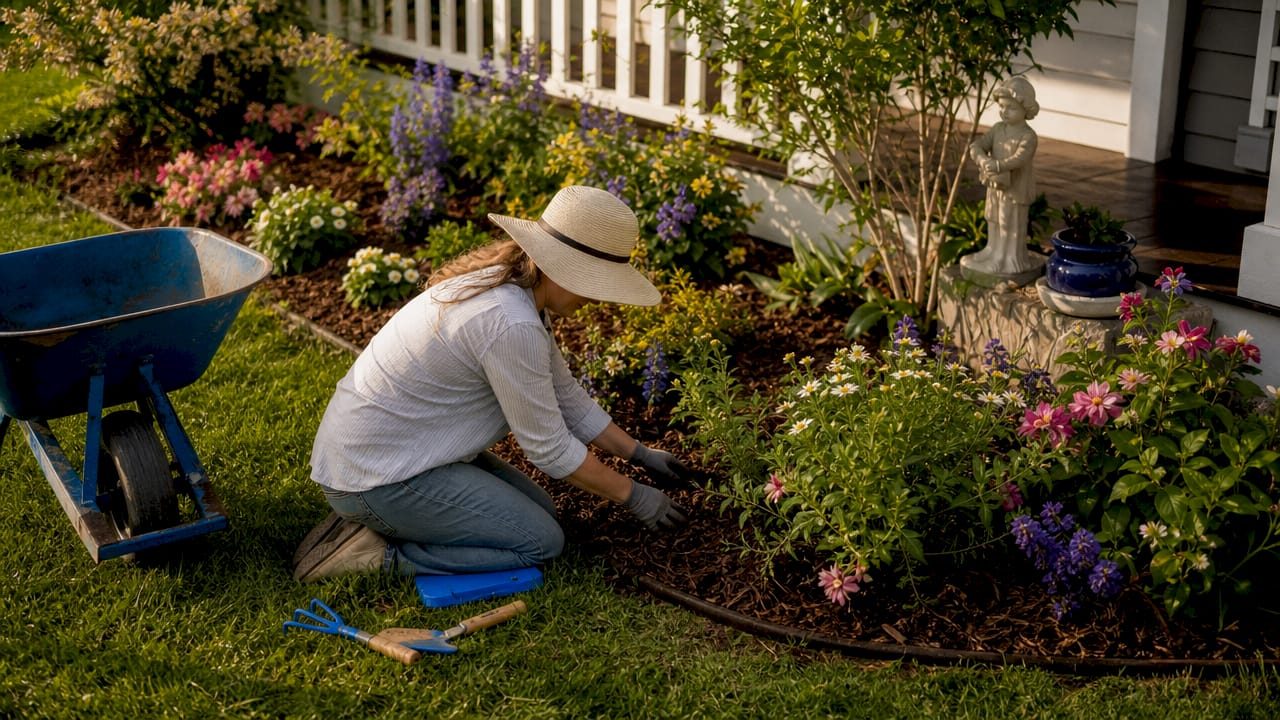
A focused effort over a weekend or two can transform a façade without major construction. Painting the front door, power washing surfaces, refreshing mulch, and updating house numbers yield the highest immediate visual returns. These projects cost relatively little but signal care and attention to every buyer who drives past.
- Front door repaint: A bold, well-chosen colour creates a focal point and lifts the entire façade.
- Power washing: Removes years of grime from driveways, pathways, and rendered walls instantly.
- Mulch refresh: Clean garden beds with fresh mulch look professionally maintained at low cost.
- New house numbers and letterbox: Small hardware upgrades read as modern and considered.
- Exterior light fixtures: Replacing dated fittings with quality alternatives updates the home’s style immediately.
For heritage homes in Melbourne’s inner east and bayside suburbs, exterior cleaning and preparation before painting is particularly important. Render, brick, and heritage timber trim all respond differently to cleaning methods, and the wrong approach can cause lasting damage.
Structural upgrades that protect and impress
Roof replacements and siding upgrades serve a dual purpose. They update the visual appearance of the home while also reducing utility costs, lowering insurance premiums, and addressing risks that inspectors and buyers flag during due diligence. These projects recoup costs faster than purely decorative works because they deliver both aesthetic and practical value.
Functional improvements address water ingress, mould, and pest damage that silently reduce property value. A buyer who spots a compromised roofline or deteriorating weatherboards will discount their offer significantly, even if the interior is immaculate. Fixing these issues before listing removes that negotiating leverage entirely.
Pro Tip: Prioritise structural repairs before cosmetic upgrades. A freshly painted façade over deteriorating render or rotting weatherboards will not hold up to a building inspection, and buyers will notice.
How can homeowners maintain curb appeal over time?
Curb appeal is not a one-off project. It requires consistent, seasonal attention to stay effective. The good news is that ongoing maintenance costs far less than reactive repairs.
- Clean regularly. Power wash driveways, paths, and exterior walls at least once a year. Moss, lichen, and grime accumulate gradually and age a property quickly.
- Maintain the garden. Mow lawns at the correct height for the season, edge garden beds, and remove dead plants promptly. Drought-tolerant species reduce watering demands while keeping the garden looking healthy year-round.
- Repaint on a cycle. Exterior paint on timber and rendered surfaces typically needs refreshing every 7–10 years in Melbourne’s climate. Waiting until paint is visibly peeling means the substrate has already been compromised.
- Update fixtures gradually. Replace dated light fittings, door hardware, and letterboxes as they age. These small updates keep the home looking current without a full renovation.
- Document changes. Photograph your home’s exterior each year from the same street position. This makes it easy to spot gradual deterioration before it becomes expensive.
Authenticity matters more than perfection. A home that looks genuinely cared for is more reassuring to buyers than one that appears to have been rushed into presentation condition. Seasonal refreshes, such as planting annuals in spring or adding a wreath in winter, add life without masking underlying condition.
Pro Tip: Consider pool landscaping ideas when planning rear garden improvements. A well-presented outdoor space visible from the street or during inspections extends the curb appeal effect beyond the front façade.
For a practical starting point, Sol Shine’s step-by-step exterior cleaning guide walks homeowners through the preparation process before any painting or restoration work begins.
Key takeaways
Prioritising curb appeal delivers measurable financial returns, stronger appraisal outcomes, and faster sales by shaping buyer perception from the first moment they see your property.
| Point | Details |
|---|---|
| First impressions are decisive | Buyers form lasting opinions within seconds, making the exterior your most important selling tool. |
| Value premiums are real | Strong curb appeal can add 5%–12% to your sale price and generate returns up to 238%. |
| Appraisals are affected | Better exterior condition leads to higher condition ratings and selection of stronger comparable properties. |
| Structural beats cosmetic | Roof and siding upgrades deliver faster ROI than decorative work by addressing risk and aesthetics together. |
| Maintenance is ongoing | Regular cleaning, repainting on a cycle, and seasonal garden care protect your investment year-round. |
Curb appeal as a long-term investment, not a pre-sale rush
My honest view, after working on heritage homes across Melbourne’s inner east and bayside suburbs for years, is that most homeowners wait too long. They treat curb appeal as a pre-sale checklist item rather than an ongoing commitment. By the time they are motivated to act, the render is cracked, the timber trim is soft, and the paint is peeling. At that point, the work costs significantly more and takes longer than it would have with regular attention.
The homes that present best at sale are almost always the ones where the owners have maintained them consistently. Not obsessively, and not with expensive cosmetic tricks. Just regular painting cycles, clean gutters, tended gardens, and prompt repairs when something deteriorates. That discipline shows in the finished result in a way that a rushed pre-sale spruce-up simply cannot replicate.
There is also a point worth making about over-decoration. I see homes where the owner has added ornate features, bold colour schemes, or elaborate garden structures that reflect personal taste rather than broad appeal. Buyers read those choices as things they will need to undo. Restraint and quality always outperform novelty and excess. A refined, well-maintained façade in a considered colour palette will attract more buyers than a heavily personalised one.
Curb appeal also matters beyond resale. Living in a home you are proud of from the street affects how you feel about the property every day. Neighbours notice. The street benefits. There is genuine value in that, independent of any transaction.
— Jarrad
Sol Shine’s exterior painting and restoration services
Sol Shine specialises in exterior painting and heritage restoration for Melbourne homeowners who want lasting results, not a quick coat over deteriorating surfaces. Working across Kew, Hawthorn, Camberwell, Brighton, Malvern, and surrounding suburbs, the team handles everything from façade repaints and weatherboard replacement to render repair, timber restoration, and heritage joinery.
Every project begins with a thorough assessment of the substrate condition, so the finished result protects the home as well as presenting it beautifully. For homeowners with Victorian or Edwardian properties, Sol Shine’s heritage exterior painting projects demonstrate what a considered, skilled approach delivers. If your home’s exterior needs more than a fresh coat, the team’s exterior restoration expertise covers the full scope of structural and cosmetic work under one roof.
FAQ
How much does curb appeal increase home value?
Strong curb appeal can increase a home’s sale price by 5%–12% depending on the local market, with well-executed projects generating returns up to 238%.
Does curb appeal matter in a seller’s market?
In a hot seller’s market with low inventory, buyers may overlook exterior flaws. In balanced or buyer’s markets, curb appeal becomes the primary differentiator that justifies a higher asking price.
How does curb appeal affect a property appraisal?
Appraisers use exterior condition ratings to select comparable properties. Better curb appeal leads to higher condition ratings and stronger comps, which directly increases your appraised value.
What are the highest-impact curb appeal improvements?
Painting the front door, power washing surfaces, refreshing garden mulch, and updating house numbers deliver the highest immediate visual returns for the least cost and effort.
How often should exterior paint be refreshed?
In Melbourne’s climate, exterior paint on timber and rendered surfaces typically needs refreshing every 7–10 years. Waiting until paint is visibly peeling means the underlying substrate has already been exposed to damage.


