
TL;DR:
- Multi-storey painting involves working at heights with specialized access equipment to ensure safety and quality. Proper surface preparation, a top-to-bottom sequence, and careful planning are crucial for long-lasting results. Effective management of weather, access, and trade coordination helps complete projects efficiently and safely.
Multi-storey painting is defined as any painting project requiring access above ground-floor level, where height, equipment, and sequencing decisions directly determine the quality and safety of the outcome. For homeowners with two or more storeys, the stakes are higher than a standard repaint. The right multi-storey painting tips cover three non-negotiable pillars: safe access equipment, thorough surface preparation, and a disciplined top-to-bottom workflow. Larger multi-storey projects typically run between 14 and 21 business days, which means upfront planning is not optional. Sol Shine works with Melbourne homeowners on exactly these projects, from Kew to Brighton and beyond.
1. What are the essential safety precautions for multi-storey painting?
Safety is the first consideration on any multi-storey painting project. Working at height introduces fall risks that ground-level painting simply does not carry, and Australian WorkSafe regulations require appropriate fall protection measures for any work above two metres.
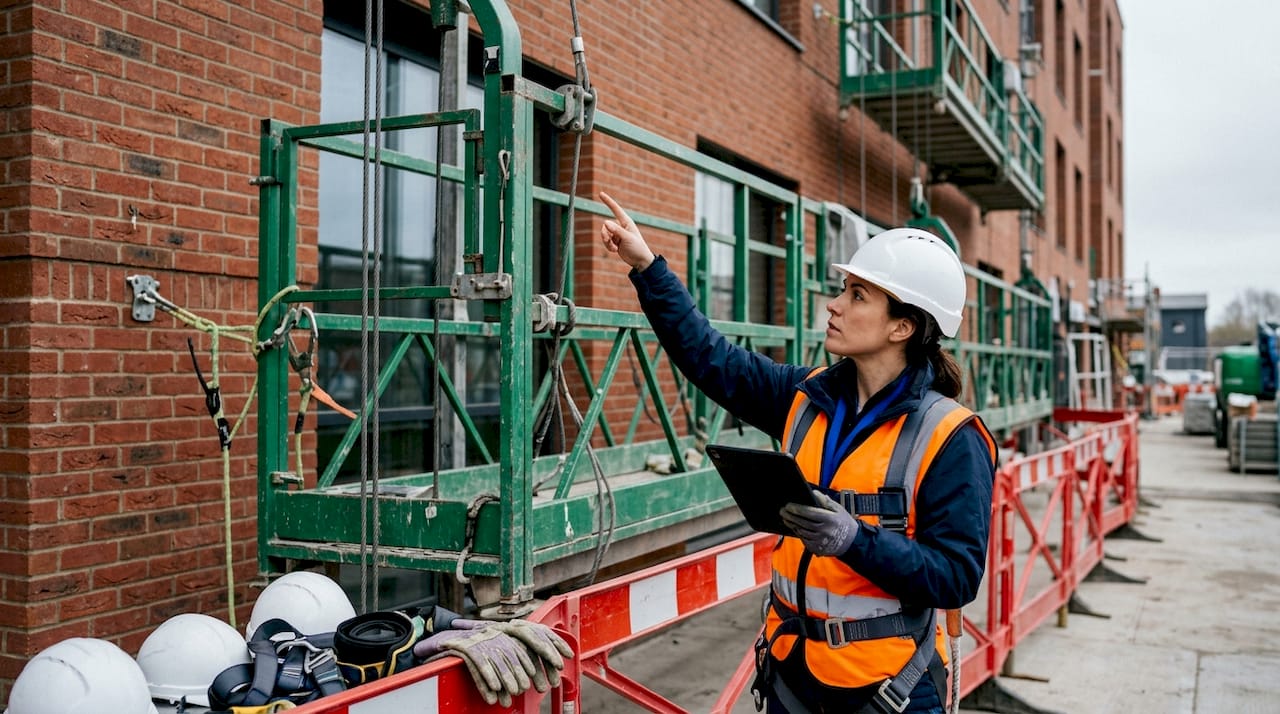
The three most common access methods each suit different situations. Extension ladders work for straightforward two-storey homes with clear ground access. Pump jack scaffolds suit longer horizontal runs like weatherboard façades, offering a stable working platform that moves vertically. Boom lifts are the right choice for complex rooflines, tight urban blocks, or properties where ladder placement is restricted by landscaping or fencing.
Equipment certification is non-negotiable. Swing stages, boom lifts, and scaffolding must pass engineering checks before use on any multi-storey project. Skipping this step creates legal liability for homeowners and genuine physical risk for workers. Exclusion zones around the work area protect pedestrians and keep the site compliant.
Pro Tip: Choose your access method based on the longest uninterrupted run on your façade. A pump jack scaffold covers more ground efficiently on a wide weatherboard home, while a boom lift handles irregular rooflines that would require constant ladder repositioning.
For homeowners managing larger projects, Sol Shine’s facility painting safety guide covers the documentation and site controls that protect both workers and residents throughout the job.
2. How should surface preparation be planned for multi-storey painting?
Surface preparation is the single biggest factor in how long a paint finish lasts. At height, prep takes longer and requires careful staging because painters cannot simply move freely around the surface the way they can at ground level.
A thorough prep sequence follows this order:
- Pressure wash the entire façade to remove dirt, mould, and loose paint. Proper pressure washing is critical for paint adhesion and longevity, and the pressure setting must suit the surface material.
- Allow full drying time before any further work. Moisture trapped beneath paint causes blistering and early failure.
- Scrape and sand all loose or flaking paint back to a firm edge.
- Fill and caulk cracks, gaps around windows, and any open joints.
- Apply primer to all bare timber, repaired areas, and any surface that has been sanded back.
Dividing the property into zones and working top to bottom through each zone prevents contaminating freshly prepped surfaces below. Skipping primer is the most common mistake that shortens finish life on multi-storey exteriors. Moisture testing before priming is worth the extra time, particularly on older Melbourne homes with weatherboard or render cladding.
Pro Tip: Schedule pressure washing for early in the week so surfaces have two full days to dry before painting begins. Melbourne’s autumn and spring weather can extend drying times unexpectedly.
3. What are the proven painting techniques for multi-storey properties?
The top-to-bottom painting sequence is the defining rule of exterior multi-storey work. Painting from the top floor down prevents drips, overspray, and contamination landing on finished surfaces below. This single sequencing decision eliminates a significant source of rework.
Trim, soffits, and fascia come before the walls beneath them. Completing upper trim work first protects the wall surfaces below from drip damage and avoids the need to cut in twice. For soffits, flat ceiling paint reduces sheen and suits the sheltered surface. For fascia, a gloss or semi-gloss paint provides moisture resistance and durability against Melbourne’s variable weather.
Maintaining a wet edge is critical to avoiding lap marks. Paint upper sections in the cooler parts of the day to slow drying and keep the edge workable. Professional painters work in vertical zones, finishing one zone completely before moving to the next. This discipline prevents the patchy, streaked finish that results from returning to a dried edge.
Key technique points for multi-storey exteriors:
- Use roller pole extensions to cover large wall areas without constant ladder movement.
- Assign crew roles clearly: one painter cutting in at height, another rolling below.
- Paint in sections no wider than you can comfortably reach without repositioning.
- Avoid painting in direct afternoon sun on north and west-facing walls.
- Use a premium exterior acrylic for walls and an alkyd or enamel for timber trim.
Sol Shine’s exterior painting projects across Melbourne’s inner east and bayside suburbs demonstrate how sequencing and product selection combine to produce finishes that hold up over years, not months.
4. How can homeowners maintain painted multi-storey surfaces?
Scheduled maintenance is more cost-effective than reactive repairs. Repainting every 3–5 years indoors and every 5–7 years outdoors reduces emergency repainting costs and extends the life of each finish. For multi-storey homes, this cycle also reduces the frequency of setting up access equipment, which is one of the larger cost components of any high-access job.
A practical maintenance routine for multi-storey homeowners includes:
- Annual visual inspection of all exterior surfaces from ground level, looking for peeling, cracking, or discolouration.
- Biennial close inspection using a ladder or boom lift to check soffits, fascia, and upper-storey window surrounds.
- Gentle washing of exterior walls every one to two years using a low-pressure hose and mild detergent to remove grime and mould spores before they degrade the paint film.
- Prompt spot repairs to any cracked caulking around windows and doors, which prevents moisture ingress behind the paint.
- Timber checks on heritage homes, particularly around window sills and fascia, where moisture damage accelerates paint failure.
Maintaining painted surfaces also protects the underlying structure. On Victorian and Edwardian homes in suburbs like Hawthorn and Camberwell, paint is the primary barrier against moisture penetrating heritage timber and render. Sol Shine’s homeowner maintenance guide outlines inspection routines suited to Melbourne’s climate. Coordinating repaint cycles with other planned maintenance lowers long-term costs and reduces disruption.
5. What challenges are unique to multi-storey painting and how are they managed?
Multi-storey painting challenges go beyond height. Weather, access logistics, and trade coordination all add complexity that a single-storey repaint does not face.
Key challenges and how to address them:
- Weather windows. Melbourne’s four-seasons-in-a-day reputation is real. Plan exterior painting for periods of stable weather, typically late spring and early autumn, and build buffer days into the schedule.
- Access in urban settings. Properties in Richmond, Fitzroy, and Northcote often sit on narrow blocks with limited footpath space. Traffic management plans and council permits may be required before scaffolding or boom lifts can be positioned.
- Trade coordination. Painters working at height need clear access. Scheduling around other trades, such as roofers or window restorers, prevents costly delays and safety conflicts.
- Equipment planning. Delays in multi-storey projects most often stem from poor upfront equipment planning rather than the painting itself. Confirming equipment availability and site access before the job starts eliminates the most common source of lost time.
- Accreditation. Multi-storey painting requires painters with experience in working at height, not just general painting skills. Verify that your contractor holds current licences and WorkSafe compliance documentation.
“The homeowners who get the best results from multi-storey painting projects are the ones who treat planning as part of the job, not a preliminary to it. Access equipment, weather scheduling, and trade sequencing decided upfront save more time and money than any shortcut taken on site.”
If you are considering preparing your property for sale, a well-executed exterior repaint on a multi-storey home is one of the highest-return investments you can make before listing.
Key takeaways
Successful multi-storey painting depends on disciplined sequencing, certified access equipment, and a maintenance schedule that prevents costly reactive repairs.
| Point | Details |
|---|---|
| Safety and access first | Choose certified equipment suited to your home’s layout before any painting begins. |
| Prep determines longevity | Pressure washing, priming, and moisture testing directly control how long the finish lasts. |
| Top-to-bottom sequence | Always paint from the highest point down to prevent drips and rework on finished surfaces. |
| Scheduled maintenance saves money | Repainting every 5–7 years outdoors is more cost-effective than emergency repairs. |
| Plan for multi-storey challenges | Weather windows, access logistics, and trade coordination must be resolved before work starts. |
What I have learned from multi-storey painting projects
The planning phase is where most jobs are won or lost
After working on multi-storey homes across Melbourne’s inner east and bayside suburbs, the pattern is consistent. Jobs that go smoothly are the ones where the access method, weather window, and surface prep sequence were locked in before a single tin of paint was opened. Jobs that run over time and budget almost always trace back to a decision that was deferred or skipped in the planning phase.
The prep stage is where I see the most impatience from homeowners who want to see colour on the walls quickly. Skipping primer or rushing drying times feels harmless in the moment. Two years later, when the finish is peeling off a south-facing wall, the connection is obvious. Patience in prep is not caution. It is the work.
The other thing worth saying plainly: multi-storey painting is not a project to hand to the cheapest quote without checking credentials. Height work carries real risk, and the difference between a painter experienced in high-access work and one who is not shows up in both the finish quality and the safety record. For a home you have invested significantly in, that distinction matters.
My honest advice to any homeowner planning a multi-storey repaint is to treat the planning conversation with your painter as seriously as you treat the colour selection. The colour is the easy part.
— Jarrad
Sol Shine’s multi-storey painting services in Melbourne
Sol Shine specialises in exterior painting and interior painting for multi-storey homes across Melbourne’s inner east and bayside suburbs, including Kew, Hawthorn, Camberwell, Brighton, and Malvern.
Every project is managed under one roof, from access equipment and surface preparation through to the final coat. Sol Shine works directly with homeowners on projects from $20,000 upward, bringing the same standard of care to a two-storey weatherboard in Fitzroy as to a heritage Victorian terrace in East Melbourne. Contact Sol Shine to discuss your property and get a clear plan before any work begins.
FAQ
What is multi-storey painting?
Multi-storey painting refers to any interior or exterior painting project on a property with two or more levels, requiring specialised access equipment and sequencing to work safely at height.
What access equipment is best for a two-storey home?
Extension ladders suit straightforward two-storey homes, while pump jack scaffolds work better for wide façades and boom lifts handle complex rooflines or restricted urban sites.
How long does a multi-storey exterior painting project take?
Larger multi-storey projects typically run between 14 and 21 business days, depending on the depth of surface preparation required and weather conditions.
How often should a multi-storey home be repainted?
Interior surfaces benefit from repainting every 3–5 years, while exterior surfaces on multi-storey homes should be repainted every 5–7 years to maintain protection and appearance.
Why does painting sequence matter on multi-storey properties?
Painting from the top floor down prevents drips and overspray from landing on finished surfaces below, reducing rework and producing a cleaner, more consistent finish.


