
Many Melbourne homeowners believe their Victorian and Edwardian windows are beyond repair, destined for replacement. Yet skilled restoration preserves original features while improving functionality and energy efficiency. This guide walks you through proven restoration methods, expert insights, and local Melbourne specialists who can breathe new life into your heritage timber sash and casement windows. Whether you’re dealing with rotting timber, broken sash cords, or damaged leadlight glass, understanding your options helps you make informed decisions that honour your home’s architectural legacy while delivering modern comfort.
Table of Contents
- Understanding Victorian And Edwardian Window Styles In Melbourne
- Key Steps In Repairing Victorian And Edwardian Windows
- Restoring Leadlight And Stained Glass: Artisan Care For Heritage Charm
- Selecting The Right Melbourne Specialists For Your Heritage Window Repair
- Benefits Of Restoring Victorian And Edwardian Windows For Melbourne Homeowners
- Expert Heritage Window Repair And Painting Services In Melbourne
- Frequently Asked Questions About Victorian Window Repair
Key takeaways
| Point | Details |
|---|---|
| Common window styles | Victorian homes feature tall slim timber sash windows, while Edwardian properties showcase larger casements with leadlight glass |
| Restoration process | Repairs include timber splicing, sash refurbishment, cord replacement, draught proofing, and glazing upgrades |
| Melbourne specialists | Local firms offer expert heritage window services with comprehensive warranties and onsite inspections |
| Heritage preservation | Proper restoration maintains original character while improving insulation, functionality, and property value |
| Artisan glass repair | Stained and leadlight glass requires specialist care to match original colours, textures, and designs |
Understanding Victorian and Edwardian window styles in Melbourne
Melbourne’s heritage homes showcase distinct window styles that reflect their architectural periods. Victorian windows feature tall, slim timber sash designs, often with six or eight panes in each sash, creating elegant vertical proportions. These double hung sash windows slide vertically on cords or chains, balanced by hidden weights inside the frame.
Edwardian and Federation era windows evolved into larger casement designs, opening outward on hinges rather than sliding vertically. These later styles frequently incorporated decorative leadlight or stained glass panels, adding colour and pattern to entrance halls, stairwells, and living spaces. The shift reflected changing tastes and improved glass manufacturing techniques available in the early 1900s.
Timber construction dominates both periods, typically using hardwoods like Baltic pine or local eucalyptus species. This natural material requires specialist knowledge for proper preservation, as different timber types respond uniquely to Melbourne’s climate fluctuations. Understanding your window’s timber species helps craftspeople select matching materials for repairs.
Leadlight glass represents a hallmark feature requiring artisan care. These decorative panels use lead strips (cames) to hold individual glass pieces in geometric or floral patterns. Any repair work demands careful handling to prevent further damage to fragile original glass.
Recognising your window style helps you appreciate restoration needs and communicate effectively with specialists. Key identifying features include:
- Sash windows with vertical sliding operation and counterweight systems
- Casement windows with side hinges and outward opening mechanisms
- Leadlight or stained glass decorative panels in upper sashes or side lights
- Timber frame construction with mortise and tenon joinery
- Original wavy or rippled glass indicating hand crafted heritage glazing
This foundational knowledge prepares you to evaluate heritage window repair options and discuss specific requirements with restoration professionals.
Key steps in repairing Victorian and Edwardian windows
Professional restoration follows systematic steps to address structural, functional, and aesthetic issues. Each phase requires specific skills and attention to heritage details that distinguish quality work from superficial fixes.
-
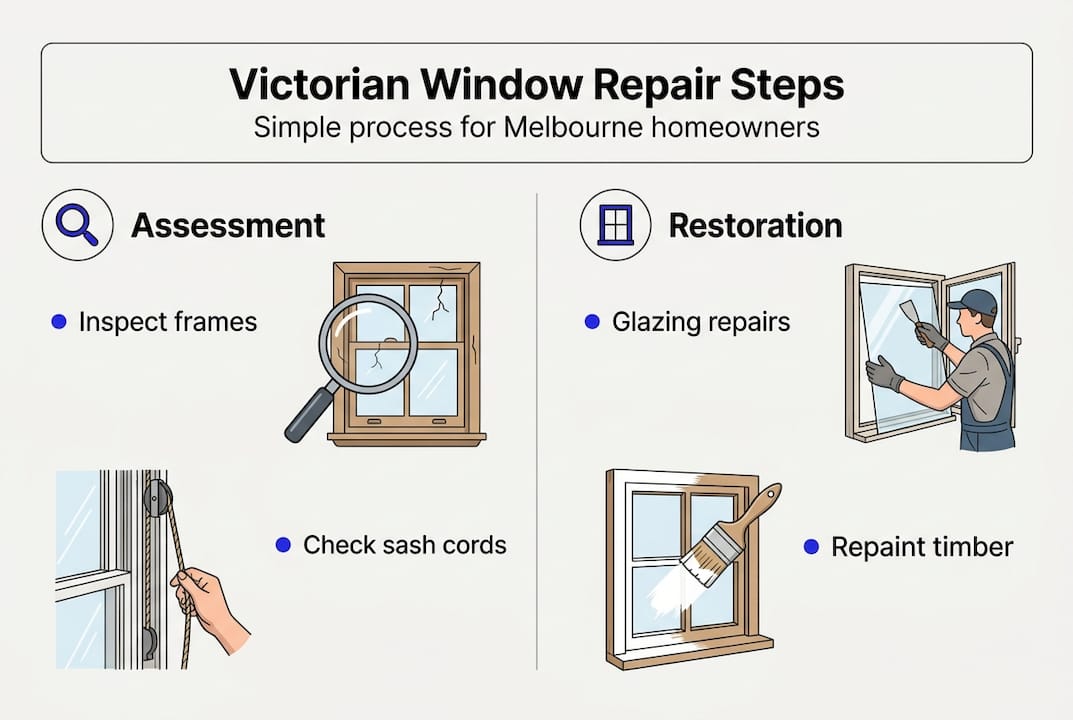
Comprehensive inspection begins by examining frames, sashes, cords, pulleys, and glass for damage, rot, or wear. Specialists probe timber with sharp tools to identify soft spots indicating decay beneath paint layers. This assessment determines repair scope and helps estimate costs accurately.
-
Timber rot repair involves cutting out decayed sections and splicing in matching hardwood pieces. Craftspeople shape replacement timber to fit precisely, using traditional joinery techniques and marine grade adhesives. This approach preserves maximum original material while ensuring structural integrity.
-
Sash refurbishment strips away old paint using heat guns or chemical removers, revealing the timber beneath. Workers repair cracks, fill gaps, and sand surfaces smooth before applying primer and topcoats. Reglazing replaces broken panes with period appropriate glass.
-
Sash cord or chain replacement restores vertical operation by installing new ropes or chains connected to cast iron weights. Pulleys receive cleaning and lubrication to eliminate squeaks and ensure smooth movement. This step prevents sashes from dropping unexpectedly.
-
Draught seal installation fits brush or compression seals into meeting rails and frame edges, stopping air infiltration without compromising heritage appearance. Quality seals eliminate rattles during windy weather while reducing energy loss.
-
Glazing upgrades offer modern performance through slim profile double glazing that fits existing rebates. Advanced systems use vacuum or gas filled cavities between panes, delivering insulation improvements without bulky frames that clash with heritage proportions.
Pro Tip: Inspect sash cords early in any restoration project, as deteriorating ropes can cause sudden sash drops that crack glass or injure occupants.
These systematic repairs restore functionality while maintaining authentic character. Proper execution by experienced timber restoration specialists ensures repairs last decades, not just years. Quality sash refurbishment transforms problematic windows into smooth operating features that enhance daily comfort.
Restoring leadlight and stained glass: artisan care for heritage charm
Leadlight glass defines the character of countless Melbourne heritage homes, demanding specialist attention that goes beyond standard glazing repairs. These decorative panels combine artistry with craftsmanship, requiring experienced artisans who understand historical techniques and can replicate original designs faithfully.
Restoration begins with careful removal of damaged panels, documenting their position and pattern before disassembly. Artisans photograph each panel from multiple angles, creating reference materials that guide reassembly. This meticulous approach prevents confusion when working with complex geometric or floral designs containing dozens of individual glass pieces.
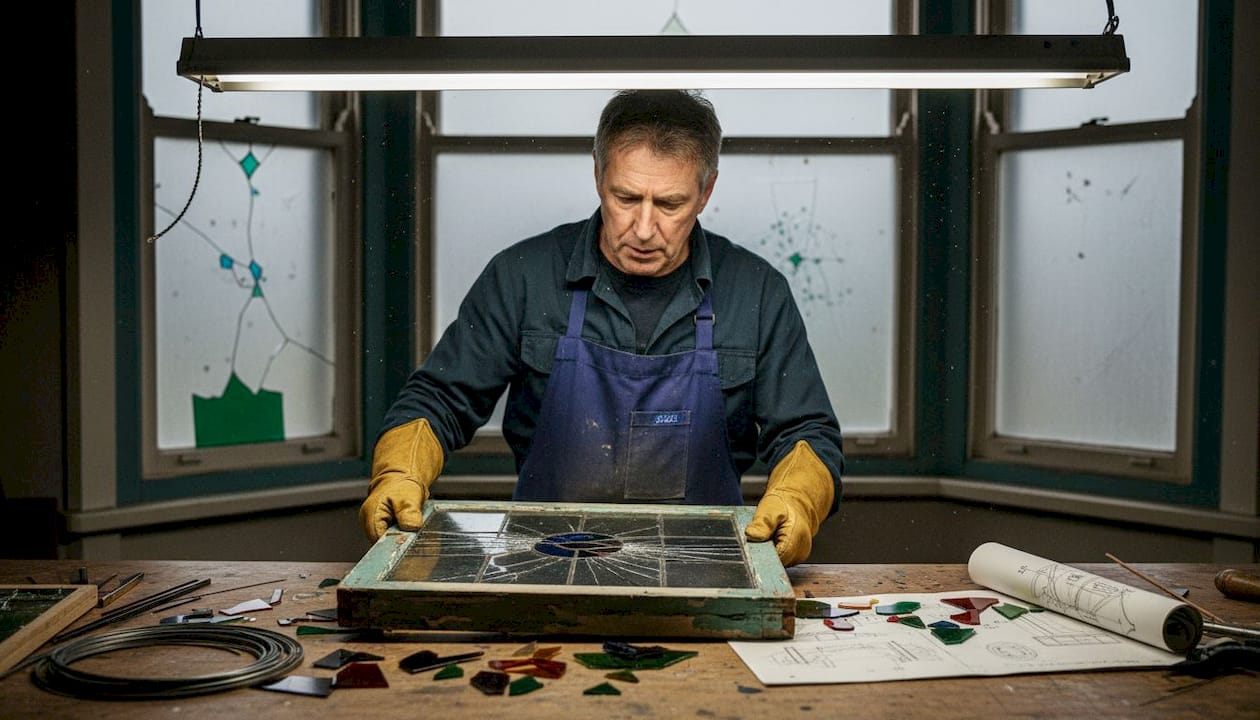
Repair work involves releasing the lead cames that hold glass pieces, either by carefully cutting or unfolding the lead channels. Damaged glass receives replacement with period appropriate materials matching original colours, textures, and thicknesses. Modern reproduction glass often lacks the subtle variations found in antique pieces, so specialists source salvaged heritage glass when possible.
Reassembly requires stretching and shaping new lead cames around each glass piece, soldering joints to create weathertight seals. The restored panel receives cement or putty pressed into the lead channels, providing rigidity and weather resistance. Final cleaning removes excess materials, revealing the renewed beauty of the original design.
Incorrect repairs risk permanent loss of heritage value and aesthetic appeal. Common mistakes include:
- Using modern float glass instead of textured or coloured period glass
- Applying silicone sealants that obscure lead came profiles
- Replacing entire panels with contemporary designs that clash with originals
- Failing to support large panels adequately, causing sagging over time
Pro Tip: Request samples of replacement glass before approving leadlight repairs, ensuring colour and texture match existing panels under natural daylight conditions.
Authentic restoration preserves irreplaceable craftsmanship while ensuring panels withstand Melbourne’s weather for generations. Partnering with qualified artisans protects your investment in heritage painting and restoration services that honour your home’s architectural legacy.
Selecting the right Melbourne specialists for your heritage window repair
Choosing qualified professionals determines whether your restoration achieves authentic results or disappoints with substandard workmanship. Melbourne offers several established firms with proven heritage expertise, each bringing different strengths to complex restoration projects.
Review credentials by examining past projects, client testimonials, and industry affiliations. Specialists with heritage building experience understand period appropriate materials, traditional joinery techniques, and conservation principles that guide ethical restoration. Ask for references from homeowners with similar properties in suburbs like Kew, Hawthorn, or Brighton.
Warranty terms reveal confidence in workmanship quality. Reputable firms offer guarantees covering timber repairs, glazing, and draught sealing for periods ranging from two to ten years. Onsite inspection fees vary, with some specialists waiving charges when you proceed with quoted work.
Melbourne’s leading heritage window specialists provide comprehensive services:
| Specialist | Services | Warranty | Inspection |
| — | — | — |
| Sash Window Restorations | Complete sash overhaul, draught proofing, double glazing | 10 years | Free with quote |
| Micks Glass | Leadlight restoration, Federation glass, custom designs | 5 years | $150 refundable |
| Barnsbury Joinery | Timber repairs, custom sashes, heritage joinery | 7 years | Free metro |
| PJR Windows | Sash refurbishment, cord replacement, painting | 3 years | $100 |
| RW Sash Windows | Double glazing retrofits, draught seals, pulley repairs | 5 years | Free |
Comparing offerings helps identify the best match for your specific needs. Consider these factors:
- Breadth of services covering all required repairs under one contractor
- Experience with your specific window style and architectural period
- Ability to source or fabricate matching heritage materials
- Scheduling flexibility to minimise disruption during occupied renovations
- Clear communication and detailed documentation throughout the project
Request detailed quotes breaking down labour, materials, and any additional costs for unexpected repairs discovered during work. Transparent pricing prevents budget surprises and demonstrates professional business practices.
The right specialist becomes a trusted partner in preserving your home’s heritage character. Their expertise ensures repairs meet conservation standards while delivering modern performance improvements. This careful selection process leads naturally to understanding the broader benefits restoration delivers for your property and daily comfort.
Benefits of restoring Victorian and Edwardian windows for Melbourne homeowners
Professional restoration delivers compelling advantages that extend far beyond simple repairs. Preserving original features maintains heritage value while addressing practical concerns about comfort, energy efficiency, and long term property investment.
Restoration preserves irreplaceable craftsmanship embedded in your home’s original windows. Timber frames, hand blown glass, and leadlight panels represent artisan skills rarely found in modern manufacturing. Maintaining these elements protects architectural integrity and distinguishes your property in Melbourne’s competitive real estate market.
Thermal comfort improves dramatically through draught proofing and selective glazing upgrades. Modern brush seals eliminate air infiltration around sashes and frames, stopping cold draughts during winter and reducing cooling loads in summer. Slim profile double glazing cuts heat transfer without compromising heritage appearance, delivering insulation performance approaching modern standards.
Curb appeal receives an immediate boost when tired, peeling windows transform into beautifully maintained features. Fresh paint, smooth operation, and sparkling glass create positive first impressions for visitors and potential buyers. This aesthetic improvement complements other heritage paint protection strategies that safeguard your investment.
Heritage preservation guidelines in many Melbourne municipalities encourage or require retention of original windows in heritage overlay areas. Proper restoration ensures compliance while accessing potential grants or rate reductions available for approved conservation work. Replacement with modern windows often requires planning permits and may face rejection in protected precincts.
“Restoring heritage windows typically costs 40 to 60 percent less than full replacement with comparable quality alternatives, while delivering superior longevity and maintaining irreplaceable original character that defines Melbourne’s architectural heritage.”
Key benefits include:
- Preservation of original timber, glass, and decorative features
- Enhanced thermal comfort through draught elimination and insulation upgrades
- Improved property value and market appeal in heritage conscious suburbs
- Compliance with heritage overlay requirements and conservation guidelines
- Reduced environmental impact compared to manufacturing new windows
- Ongoing functionality for decades with proper maintenance
These advantages make restoration the logical choice for homeowners committed to preserving Melbourne’s architectural legacy while enjoying modern comfort. Understanding these benefits prepares you to engage professional services that deliver lasting results.
Expert heritage window repair and painting services in Melbourne
Your Victorian or Edwardian home deserves specialist care that honours its heritage while delivering modern performance. Sol Shine combines expert heritage window repair with comprehensive painting and restoration services, providing the complete solution Melbourne homeowners need for large scale heritage projects.
Our team understands the unique challenges of preserving timber windows in Melbourne’s climate, from managing moisture in coastal suburbs to protecting against UV damage in northern exposures. We handle everything from initial assessment through final painting, ensuring consistent quality across your entire restoration project. Whether you’re tackling a single room or a whole house renovation, our heritage painting expertise complements window repairs with period appropriate colours and finishes. We also provide interior painting services that complete your home’s transformation, all managed under one roof with transparent communication and skilled craftsmanship you can trust.
Frequently asked questions about Victorian window repair
Is double glazing possible without losing heritage value?
Yes, slim profile double glazing systems fit into existing timber rebates without altering external appearance. Modern vacuum or gas filled units deliver excellent insulation while maintaining heritage proportions. Specialists match glass thickness and profiles to original specifications, ensuring upgrades remain invisible from street view.
How long does restoration typically take?
Timelines vary based on window quantity and repair complexity, but most single window restorations complete within one to two weeks. Whole house projects spanning 15 to 20 windows typically require six to eight weeks, including timber repairs, painting, and glazing work. Weather conditions and material availability can extend schedules.
What costs should I expect for timber sash repairs?
Basic sash refurbishment including paint stripping, timber repairs, and repainting ranges from $800 to $1,500 per window. Extensive rot repairs, cord replacement, and draught sealing add $300 to $600 per window. Complete restoration with double glazing upgrades typically costs $2,000 to $3,500 per window depending on size and condition.
Can damaged leadlight be fully restored?
Yes, skilled artisans can repair or replicate virtually any leadlight damage. Cracked glass receives replacement with period appropriate materials matching original colours and textures. Broken lead cames are rebuilt using traditional techniques. Even severely damaged panels can be restored to original appearance when specialists have adequate reference materials or surviving sections to guide reconstruction.
Will repairs improve my home’s energy efficiency?
Significantly. Draught sealing alone can reduce air infiltration by 70 to 85 percent, cutting heating and cooling costs noticeably. Adding slim double glazing improves insulation values from single glazing’s R value of 0.15 to approximately 0.35, nearly matching modern window performance. Combined improvements create measurable comfort gains and energy savings throughout the year.


