
Most repainted heritage homes in Melbourne fail within five years. The culprit is rarely the paint itself. It is the preparation underneath. Skipping or rushing surface prep leaves moisture pathways open, weakens adhesion, and sets the stage for peeling within a few seasons. Proper prep doubles lifespan, and for Victorian and Edwardian homes with their ornate timber trims, lime render, and aged ironwork, that difference is enormous. This guide walks you through every critical step, from initial assessment through to primer and paint selection, so your next restoration project delivers results that genuinely last.
Table of Contents
- Why surface preparation is the key to 10+ year paint
- Assessing and diagnosing your surfaces before painting
- Step-by-step guide to surface preparation for heritage homes
- Choosing the right primer and paint system for long-term results
- How preparation and product choice impact longevity: Evidence from Melbourne homes
- Work with Melbourne’s heritage painting specialists
- Frequently asked questions
Key Takeaways
| Point | Details |
|---|---|
| Preparation is critical | Diligent cleaning, repairs, and priming set the groundwork for paint life beyond a decade. |
| Choose breathable systems | Breathable and flexible paints prevent moisture problems in older Melbourne homes. |
| Evidence backs long life | Studies and heritage projects confirm 10-14 years’ durability with expert methods. |
| Heritage homes need care | Victorian and Edwardian features are best handled with professional tools, repairs, and approval processes. |
Why surface preparation is the key to 10+ year paint
Paint failure is almost always a preparation failure. Moisture trapped beneath a film coat, dust left on a masonry surface, or old flaking paint left in place will all compromise adhesion no matter how premium the topcoat. For Melbourne heritage homes, the stakes are even higher. Older building materials, including lime plaster, soft brick, and aged hardwood, respond differently to modern coatings than new construction substrates do.
“Thorough surface preparation is the single most important factor in achieving a long-lasting paint finish on heritage facades. Skipping this step is the leading cause of premature failure.”
The evidence is clear. Proper prep doubles lifespan compared to painting over poorly prepared surfaces. Research also confirms that finishes on textured surfaces last 10 to 14+ years when preparation is done correctly, compared to significantly shorter cycles on smooth or unprepared substrates.
Melbourne’s climate adds another layer of complexity. Hot, dry summers followed by cold, wet winters create repeated expansion and contraction cycles in timber and masonry. This movement stresses paint films constantly. Understanding quality repainting preparation for heritage materials is not optional. It is the foundation of every successful restoration.
Key reasons preparation determines longevity:
- Moisture ingress is the leading cause of blistering and peeling on older facades
- Dirt, mould, and chalky residue prevent paint from bonding to the substrate
- Incompatible previous coatings cause delamination between layers
- Unrepaired cracks and rot allow water to undermine new paintwork from below
- Poor adhesion on ironwork leads to rust bleed-through within two to three seasons
For anyone serious about paint durability in heritage homes, preparation is where the investment pays off.
Assessing and diagnosing your surfaces before painting
Before any sanding or washing begins, a thorough assessment of every surface is essential. This is where experienced heritage painters earn their keep. Rushing past this stage means repairs get missed, and missed repairs become expensive failures later.
Here is a systematic approach to surface assessment for Victorian and Edwardian homes:
- Check for loose or flaking paint. Run a firm hand or scraper across all surfaces. Any paint that lifts easily must be fully removed before proceeding.
- Inspect for mould and mildew. Look closely at south-facing walls, under eaves, and around window frames where moisture lingers longest.
- Identify moisture ingress points. Check gutters, downpipes, flashings, and any cracked render or mortar joints that allow water entry.
- Examine timber condition. Probe sash windows, verandah posts, fascia boards, and decorative trims for soft spots indicating rot.
- Assess previous coating types. Oil-based and water-based coatings require different preparation approaches and are not always compatible.
- Test for lead paint. Any home built before 1970 is likely to contain lead-based paint. Professionals handle lead and approvals safely and in compliance with local council requirements. This is not a step to manage without proper training.
Victorian and Edwardian homes present specific challenges. Ornate ceiling roses, cast iron lacework, and intricate timber fretwork all have recesses where old paint builds up and traps moisture. These areas need careful attention during assessment. Understanding heritage painting safety standards is particularly important when lead paint is involved.
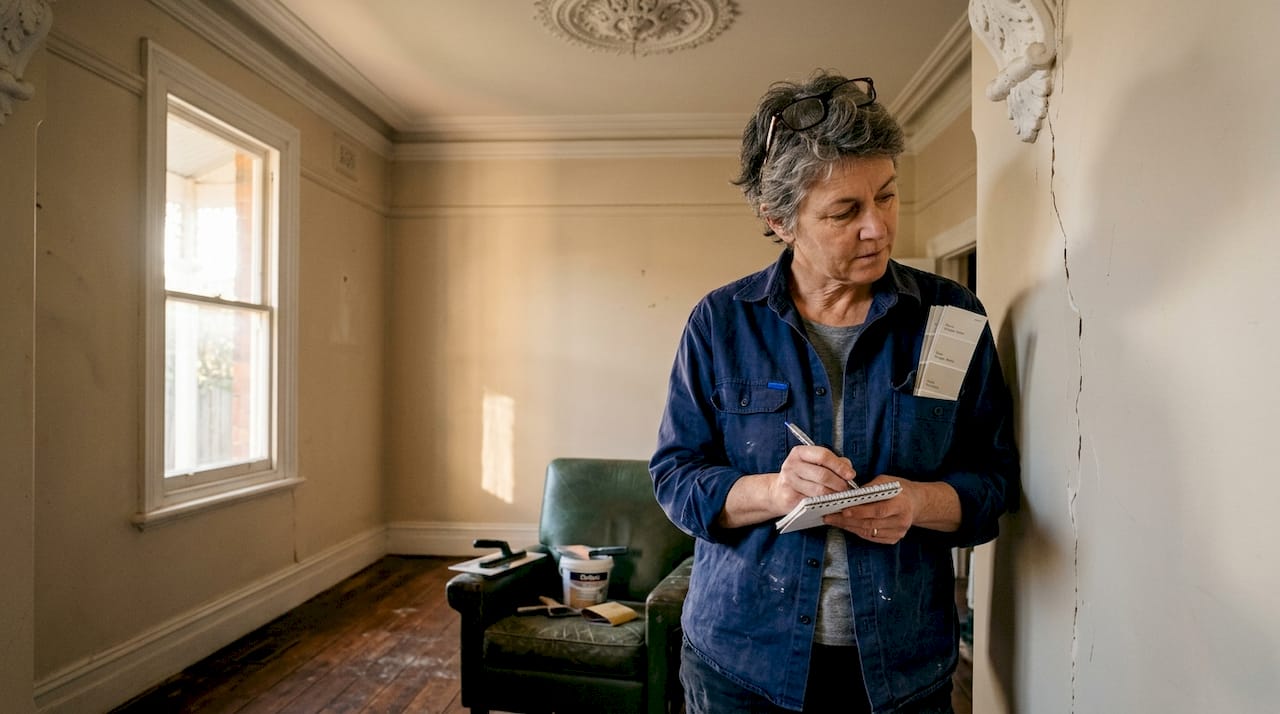
Pro Tip: Walk each façade and interior room with a notepad. Log every issue you find, including its location, severity, and likely cause. This becomes your repair and preparation schedule, and it prevents costly oversights once work begins.
Step-by-step guide to surface preparation for heritage homes
With a clear diagnosis in hand, preparation can begin in earnest. Each surface type common to Melbourne heritage homes requires a specific approach.
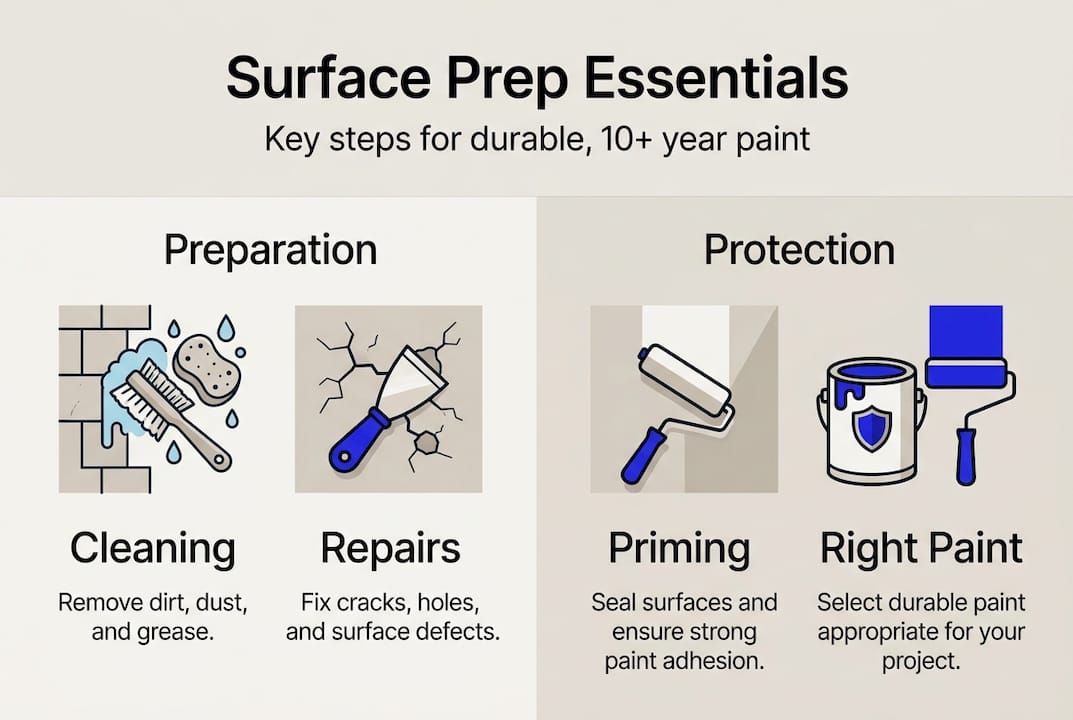
- Remove all loose and flaking paint. Use scrapers, heat guns (with care on timber), or chemical strippers appropriate to the substrate. Never leave compromised paint in place and paint over it.
- Repair underlying faults. Fill cracks in render and masonry with compatible fillers. Replace rotted timber sections rather than filling over them. Treat rust on ironwork with a rust converter before priming.
- Clean all surfaces thoroughly. Use a mild detergent solution and a stiff brush. Avoid high-pressure washing on old render, soft brick, or lime plaster. High pressure forces water into the substrate and can cause more damage than it solves.
- Sand or key surfaces for adhesion. Lightly sand glossy or smooth areas to give the primer something to grip. This step is especially important on previously painted timber and ironwork.
- Fill and smooth. Use flexible fillers on timber to accommodate movement. Use breathable, lime-compatible fillers on heritage masonry to avoid trapping moisture.
- Prime with the correct substrate-specific primer. This is non-negotiable. Breathable paints are essential for stone, brick, and lime plaster to prevent moisture trapping, blistering, and peeling.
Pro Tip: For cast iron lacework and verandah balustrades, use a rust-inhibiting primer formulated for ferrous metals. Apply it the same day as cleaning and sanding, before any surface oxidation can begin again.
Common exterior painting mistakes on heritage homes include skipping the primer coat on bare timber and using the wrong filler type on masonry. Both errors shorten the paint’s service life significantly. Understanding the durability factors for heritage homes helps you avoid these pitfalls from the start.
Choosing the right primer and paint system for long-term results
Once surfaces are properly prepared, the primer and paint system you choose will determine how long the finish holds. Not all paints are suitable for heritage materials, and the wrong choice can undo even excellent preparation work.
| Surface type | Recommended primer | Recommended topcoat |
|---|---|---|
| Hardwood timber | Oil-based or acrylic wood primer | Dulux Weathershield exterior acrylic |
| Softwood timber | Acrylic wood primer with sealer | Water-based acrylic low-sheen |
| Brick and render | Masonry sealer or breathable primer | Silicate or acrylic masonry paint |
| Lime plaster | Breathable lime-compatible primer | Conservation-grade breathable paint |
| Cast iron lacework | Rust-inhibiting metal primer | Enamel or acrylic metal topcoat |
For Victorian and Edwardian homes, breathable, conservation-grade paints are strongly recommended. Brands like Dulux Weathershield and Porters Paints offer formulations that are flexible, low-VOC, and reversible, meaning future repaints are easier and less damaging to the substrate.
Key considerations when selecting your paint system:
- Water-based acrylics offer flexibility, breathability, and excellent UV resistance for Melbourne’s sun exposure
- Silicate paints bond chemically with masonry and are ideal for unpainted or previously lime-washed brick
- Conservation paints from Porters and similar suppliers are formulated specifically for heritage materials and period-accurate finishes
- Heritage colour palettes from Dulux and Porters provide period-appropriate options that also satisfy most council heritage overlay requirements
Colour selection on heritage-listed properties often requires council approval. Choosing from an established heritage palette simplifies this process considerably. Explore sustainable paint choices for options that balance authenticity with environmental responsibility. Understanding how paint protects Victorian homes from Melbourne’s weather is also worth reviewing before finalising your system.
How preparation and product choice impact longevity: Evidence from Melbourne homes
The connection between preparation quality and paint longevity is well documented. Here is how different surface types and preparation standards translate into real-world service life.
| Surface type | Preparation quality | Expected service life |
|---|---|---|
| Prepared textured timber | Thorough | 10 to 14+ years |
| Smooth timber, minimal prep | Minimal | 3 to 5 years |
| Prepared masonry with breathable paint | Thorough | 8 to 12 years |
| Masonry with non-breathable paint | Minimal | 2 to 4 years |
| Prepared ironwork with rust primer | Thorough | 8 to 10 years |
| Ironwork with no primer | None | 1 to 3 years |
Research confirms that finishes on prepared textured surfaces last 10 to 14+ years, with modern acrylics retaining gloss and durability well into that range. The contrast with poorly prepared surfaces is stark.
Key statistic: Thorough preparation can double the service life of a paint system compared to minimal preparation on the same substrate.
Local conditions also matter. North-facing facades in Melbourne receive intense UV exposure and typically require repainting sooner than south-facing walls. Wind-driven rain on exposed bayside properties accelerates moisture ingress on any surface with even minor coating defects. Shaded areas under deep verandahs, common on Edwardian homes, retain moisture longer and are more prone to mould if ventilation is poor.
Reviewing paint longevity research specific to Melbourne conditions gives you a clearer picture of what to expect from your restoration. Real-world heritage paint case studies from similar properties are also a valuable reference. For broader guidance, Sol Shine’s painting guides cover a wide range of heritage and exterior painting topics relevant to Melbourne homeowners.
Work with Melbourne’s heritage painting specialists
Knowing the right steps is one thing. Executing them correctly on a complex Victorian or Edwardian home is another. Heritage surfaces demand experience, the right materials, and a thorough understanding of council requirements, lead paint handling, and period-appropriate finishes.
Sol Shine specialises in large-scale heritage restoration and painting projects across Melbourne’s inner east, bayside, and surrounding suburbs. From Melbourne exterior painting projects to full Melbourne heritage painting services, every project is managed under one roof with skilled tradespeople who understand the demands of older homes. If you are planning a restoration and want to get the preparation right from the start, explore our detailed surface preparation guide or get in touch to discuss your property.
Frequently asked questions
What makes paint last longer on heritage homes in Melbourne?
Thorough surface preparation combined with breathable, substrate-appropriate paints are the primary factors. Proper prep doubles lifespan compared to painting over poorly prepared surfaces, regardless of paint quality.
How can I tell if old paint contains lead?
Lead detection kits are available at hardware stores, but a professional assessment is the safest approach for homes built before 1970. Professionals handle lead and approvals in compliance with local regulations.
Do I need council approval to repaint a heritage-listed property?
Yes, most heritage-listed properties in Melbourne require council approval for colour and material changes. Check with your local council before committing to any colour selection or starting work.
Can water-based acrylic paints really last over 10 years?
On well-prepared, textured surfaces, modern acrylics regularly achieve 10 to 14 years of service life. Research confirms acrylics retain gloss and protection well into that range when applied correctly.
Why are breathable paints recommended for brick and stone surfaces?
Breathable paints prevent trapped moisture, which is the primary cause of blistering, peeling, and long-term masonry damage on older heritage surfaces.


