
TL;DR:
- Heritage paint compliance ensures Melbourne homeowners meet regulations for historic properties before repainting.
- Applying non-breathable paints or avoiding permits can cause structural damage and legal penalties.
Heritage paint compliance is the process of meeting local council regulations, Heritage Overlay controls, and approved material standards when painting or repainting a period property. For Melbourne homeowners with Victorian or Edwardian homes, these rules are not optional. They govern what colours you can use, which coatings are acceptable, and how surfaces must be prepared. Getting this wrong can mean enforcement notices, costly repainting, and damage to the very fabric you are trying to protect. This article covers the legal framework, technical requirements, colour approval process, and practical steps to keep your project on the right side of the rules.
What does heritage paint compliance mean for Melbourne period homes?
Heritage paint compliance, known formally within Victoria’s planning system as compliance with Heritage Overlay controls, applies to any property listed under a Heritage Overlay in a municipal planning scheme. Homes within Heritage Overlays with external paint controls require a planning permit to change exterior colours. Painting a previously unpainted surface typically also needs a permit. This applies across Melbourne’s inner east and bayside suburbs, including Kew, Hawthorn, Camberwell, Malvern, and Brighton.
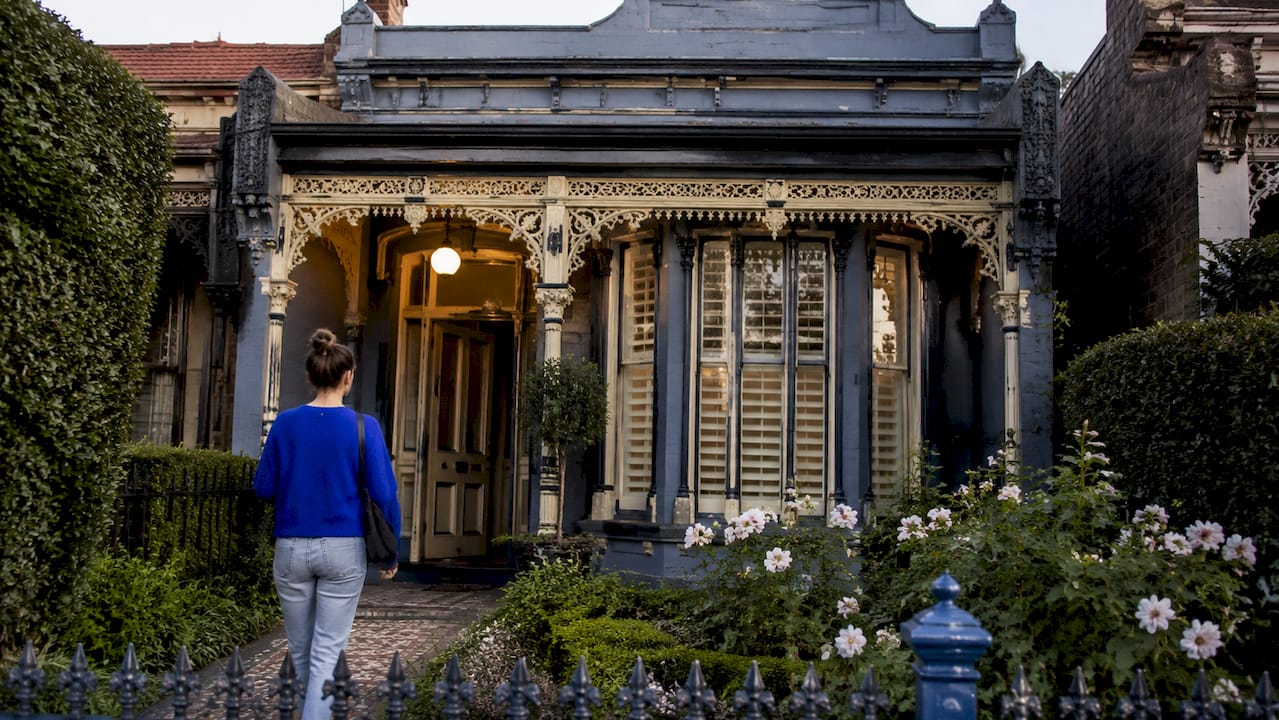
The Heritage Overlay exists to protect the streetscape character and building fabric of Melbourne’s most significant residential areas. A permit is not just bureaucratic process. It is the mechanism that ensures your choices align with the historical and architectural values the council is obligated to preserve. Understanding paint compliance from this angle makes the process far less frustrating.
What are the legal requirements for heritage paint in Melbourne?
The legal framework for heritage paint in Victoria sits within each council’s municipal planning scheme. The Heritage Overlay, combined with external paint controls, determines when a permit is required. Here is how the process works in practice.
- Confirm your overlay status. Check your property’s planning certificate or the council’s online planning map to confirm whether a Heritage Overlay applies and whether external paint controls are included.
- Determine permit requirements. Planning permit clearance is required before engaging contractors to avoid retrospective penalties and appeals to VCAT.
- Prepare your application. A permit application typically includes a description of proposed colours, material specifications, and a heritage rationale explaining how your choices respect the property’s significance.
- Engage the council heritage advisor. Most Melbourne councils offer free pre-application advice. Use it. Heritage advisors can flag issues before you lodge a formal application, saving weeks of back-and-forth.
- Wait for approval before work begins. Starting work without a permit is the single most common and costly mistake Melbourne homeowners make.
Retrospective planning applications for non-permitted heritage paint work can lead to enforcement notices requiring removal and costly repainting. Retrospective applications also undergo stricter scrutiny than pre-works applications. The council’s starting position is that the work should not have happened, and that colours the entire assessment.
Pro Tip: Many homeowners assume that repainting in the same colour is always exempt. This is not always the case. Even a like-for-like repaint may require a permit if the existing colour was never formally approved. Confirm with your council before you assume you are exempt.
Which paint materials and preparation methods ensure compliance?
Choosing the right paint type is as important as choosing the right colour. The building science behind this is straightforward. Applying non-breathable modern vinyl emulsions on lime-based historic walls traps moisture, creating damp and decay. Breathable paints like limewash or silicate-based options are the correct choice for these substrates.
The key material categories for heritage-appropriate coatings include:
- Limewash. A traditional calcium hydroxide coating that is highly breathable and historically accurate for rendered masonry. It allows moisture to move freely through the wall.
- Silicate mineral paints. A modern option that bonds chemically with mineral substrates and remains vapour-permeable. Brands such as Keim produce silicate paints widely used on heritage masonry in Australia.
- Distemper. A chalk and pigment-based coating suited to interior lime plaster surfaces. It is rarely used externally but remains appropriate for certain period interiors.
- Heritage-formulated acrylic systems. Some modern acrylic coatings are formulated with sufficient vapour permeability for use on heritage properties, provided the substrate and council permit conditions allow them.
Surface preparation is equally regulated. Paint removal must avoid harmful methods like sandblasting, which destroys the fired crust of masonry and removes the very surface that gives heritage render its character and durability. Gentle methods such as hand scraping, low-pressure washing, and chemical strippers approved for heritage use are the accepted standard.
Pro Tip: Before selecting any paint system, check your paint selection for heritage homes against your permit conditions. Some councils specify approved products or require a sample panel to be assessed before full application.
For properties built before 1970, lead paint is a near-certainty. Lead management under Australian Standard AS/NZS 4361.2:2017 mandates dust containment, HEPA sanding, and clearance cleaning when working on heritage properties. This is not optional. It is a legal requirement under Victorian occupational health and safety law, and it applies to both contractors and homeowners managing their own works.
How do colour schemes affect heritage paint approval?
Colour selection is where many Melbourne homeowners first encounter the complexity of heritage paint guidelines. Councils do not simply approve or reject colours based on personal preference. They assess whether a proposed colour scheme is consistent with the historical character of the property and the surrounding streetscape.
| Scenario | Permit likely required? | Key consideration |
|---|---|---|
| Repainting in the same approved colour | Possibly exempt | Confirm with council first |
| Changing to a new colour within historical palette | Yes | Heritage rationale required |
| Introducing a colour with no historical precedent | Yes | Strong justification needed |
| Painting a previously unpainted surface | Yes | Significant heritage impact |
A robust heritage rationale for colour changes improves the feasibility of permits by aligning with historical streetscape character and council expectations. A good heritage rationale does not need to be lengthy. It needs to demonstrate that you have researched the property’s history, considered the original palette, and made choices that respect the building’s significance.
Useful resources for colour research include:
- Your council’s heritage advisor, who can often point to historical photographs or paint analysis reports for your street.
- The exterior colour ideas guide for Melbourne heritage homes, which covers period-appropriate palettes for Victorian and Edwardian properties.
- Paint analysis by a conservator, which involves microscopic examination of existing paint layers to identify original colours.
- The National Trust of Australia (Victoria), which publishes guidance on historically appropriate colour schemes for period properties.
Council heritage officers prioritise the preservation of original materials and techniques. Deviation from these principles can jeopardise heritage fabric and void approvals. Choosing colours from a well-researched historical palette is the most reliable path to a straightforward approval.
What are the most common pitfalls with heritage paint compliance?
The mistakes Melbourne homeowners make with heritage paint compliance tend to cluster around the same few issues. Knowing them in advance is the most effective way to avoid them.
- Starting work without a permit. This is the most serious error. Enforcement notices can require you to remove all non-permitted paint work at your own cost, regardless of how good the result looks.
- Using the wrong paint type. Modern impermeable paints on traditional lime substrates cause hidden long-term structural decay due to moisture entrapment. The damage often does not appear for years, by which point it is expensive to remediate.
- Hiring a general contractor without heritage experience. Selecting heritage-accredited painters with proper licensing and insurance prevents compliance failures and health risks. A general painter may not know which products are appropriate, how to handle lead paint safely, or what the permit conditions require.
- Ignoring lead paint obligations. Lead-safe preparation costs are an essential consideration and a reason to hire heritage specialists, not general contractors. Cutting corners here creates legal liability and genuine health risk.
- Failing to document approvals. Keep copies of your planning permit, approved colour schedules, and contractor agreements. If a council officer inspects the works, you need to demonstrate compliance on the spot.
Pro Tip: Include a compliance clause in your contractor agreement that requires the painter to work strictly within the approved permit conditions and to notify you immediately if any site condition requires a variation. This protects you if the council later questions the work.
What practical steps should Melbourne homeowners take before painting?
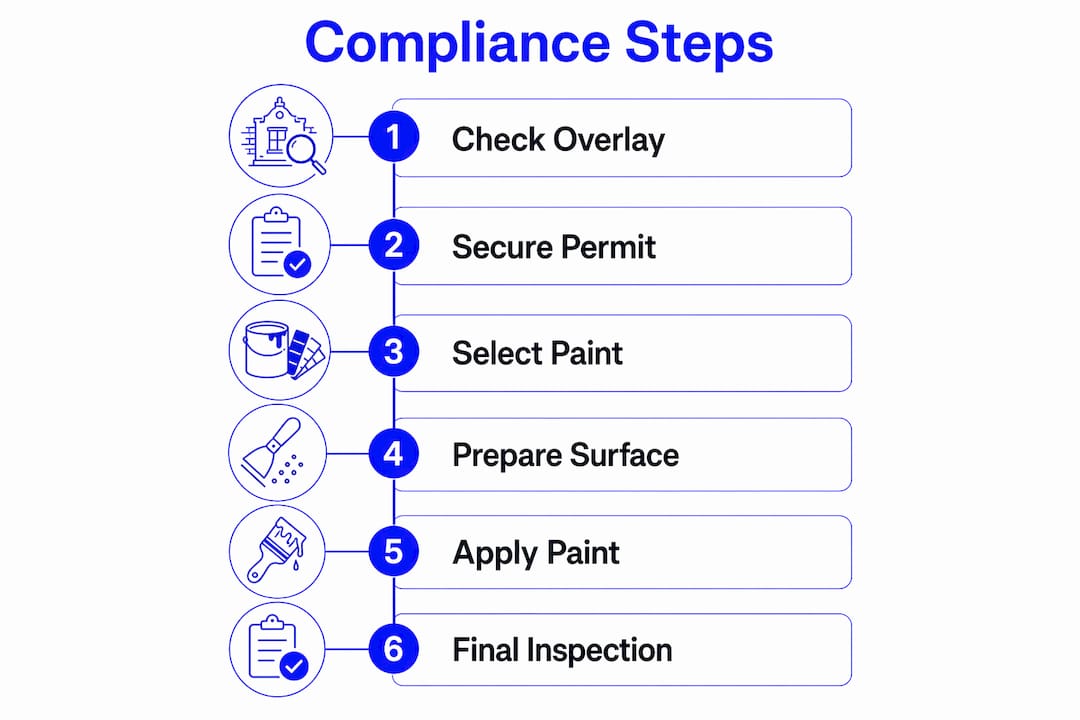
A clear sequence of steps keeps your heritage painting project compliant from the start. Follow this checklist before any contractor sets foot on your property.
- Confirm your heritage status. Search your property address on your council’s planning portal or request a planning certificate. Identify whether a Heritage Overlay applies and whether external paint controls are included.
- Consult the council heritage advisor early. Consulting local council heritage advisors early is crucial to selecting compatible paint materials and preventing moisture-related damage. Most councils offer this service at no cost.
- Lodge your planning permit application before engaging contractors. Secure written approval before any work begins. Do not rely on verbal advice from a council officer as a substitute for a formal permit.
- Choose a heritage-accredited painter. Verify that your contractor holds a current Victorian Building Authority registration, appropriate insurance, and demonstrated experience with heritage properties. Ask for examples of comparable projects in Melbourne.
- Agree on materials in writing. Specify the approved paint system, preparation methods, and lead-safe procedures in your contract. Reference the permit conditions directly.
- Keep a complete project file. Store your planning permit, approved colour schedule, material specifications, contractor agreement, and any council correspondence in one place. This record protects you for the life of the property.
The period home painting checklist for Melbourne owners covers each of these steps in detail and is a useful companion document when briefing contractors or preparing a permit application.
Pro Tip: If your project involves render repair, brickwork, or timber restoration alongside painting, confirm that all elements fall within the scope of your planning permit. Councils assess the full scope of works, not just the paint colour.
Key takeaways
Heritage paint compliance requires securing planning permits, using breathable coatings, and engaging heritage-accredited contractors before any work begins on a Melbourne period property.
| Point | Details |
|---|---|
| Permits come first | Confirm Heritage Overlay status and secure planning approval before engaging any contractor. |
| Breathable coatings are mandatory | Use limewash, silicate paints, or approved heritage acrylics on lime-based substrates to prevent moisture damage. |
| Colour needs a heritage rationale | Document historical research and streetscape alignment to support colour change permit applications. |
| Lead safety is a legal requirement | Works on pre-1970 properties must comply with AS/NZS 4361.2:2017, including HEPA sanding and dust containment. |
| Hire accredited specialists | Heritage-accredited painters with current VBA registration reduce compliance risk and protect building fabric. |
What I have learned from working on Melbourne heritage homes
Working on Victorian and Edwardian properties across Kew, Hawthorn, and Camberwell over many years has taught me that the biggest problems are almost never about paint. They are about timing and assumptions.
The homeowners who run into trouble are the ones who assume their project is simple. They think a repaint is a repaint. They hire a general painter, choose a colour they like, and start work. Then the council inspector arrives, and the entire project unravels. I have seen this happen on properties where the homeowner genuinely had no idea a Heritage Overlay applied. The result is expensive, stressful, and entirely avoidable.
The homeowners who get it right engage the council heritage advisor before they do anything else. They treat the permit process as part of the project, not an obstacle to it. They ask hard questions about paint breathability and lead management before they sign a contract. And they choose contractors who can demonstrate real experience with heritage properties, not just a willingness to take on the job.
The other thing I have observed is that a well-prepared heritage rationale genuinely changes the outcome of permit applications. Councils are not trying to make your life difficult. They are trying to protect buildings that cannot be replaced. When you show them that you understand and respect that, the process moves faster and the outcome is better.
If your property is a significant Victorian or Edwardian home, the compliance process is also an opportunity. It forces you to research the building’s history, understand its original character, and make choices that will hold up for decades. That is not a burden. It is the point.
— Jarrad
How Solshine can help you meet heritage paint compliance
Solshine specialises in heritage painting services for Melbourne period homes across Kew, Hawthorn, Camberwell, Brighton, Malvern, and surrounding suburbs. Every project is handled by licensed, heritage-experienced painters who understand Victoria’s Heritage Overlay controls, breathable coating requirements, and AS/NZS 4361.2:2017 lead-safe work practices.

Solshine offers custom colour consultations aligned with historical palettes and council expectations, and can assist with heritage rationale documentation to support your permit application. The team manages the full scope of works under one roof, from render repair and brickwork through to final paint application. For Melbourne homeowners planning a heritage exterior painting project, contact Solshine for a free on-site assessment and a clear compliance plan before work begins.
FAQ
Do I always need a permit to repaint a heritage home in Melbourne?
Not always, but you must confirm with your council before assuming you are exempt. Homes within Heritage Overlays with external paint controls require a planning permit to change exterior colours, and even like-for-like repaints may need approval if the existing colour was never formally approved.
What happens if I paint my heritage home without a permit?
Retrospective planning applications for non-permitted heritage paint work can lead to enforcement notices requiring removal and costly repainting. Retrospective applications also face stricter scrutiny than pre-works applications, making approval harder to obtain.
Which paint types are approved for heritage properties?
Breathable coatings including limewash, silicate mineral paints, and heritage-formulated acrylics are the accepted options for lime-based and masonry substrates. Non-breathable vinyl emulsions trap moisture and cause structural decay, making them unsuitable for most heritage surfaces.
Is lead paint testing required before repainting a period home?
Lead management under Australian Standard AS/NZS 4361.2:2017 applies to all heritage properties built before 1970. It mandates dust containment, HEPA sanding, and clearance cleaning, and is a legal requirement under Victorian occupational health and safety law.
How do I find out if my Melbourne property has a Heritage Overlay?
Search your property address on your council’s online planning portal or request a planning certificate from the council. The certificate will confirm whether a Heritage Overlay applies and whether external paint controls are included in the overlay conditions.


