
TL;DR:
- High-pressure washing uses a motorized pump to spray water at high velocity for cleaning exterior surfaces. Properly adjusted pressure and nozzle selection prevent damage and improve cleaning, especially on fragile materials like heritage render or aged timber. Regular washing enhances curb appeal, prevents long-term damage, and supports quality painting and maintenance routines.
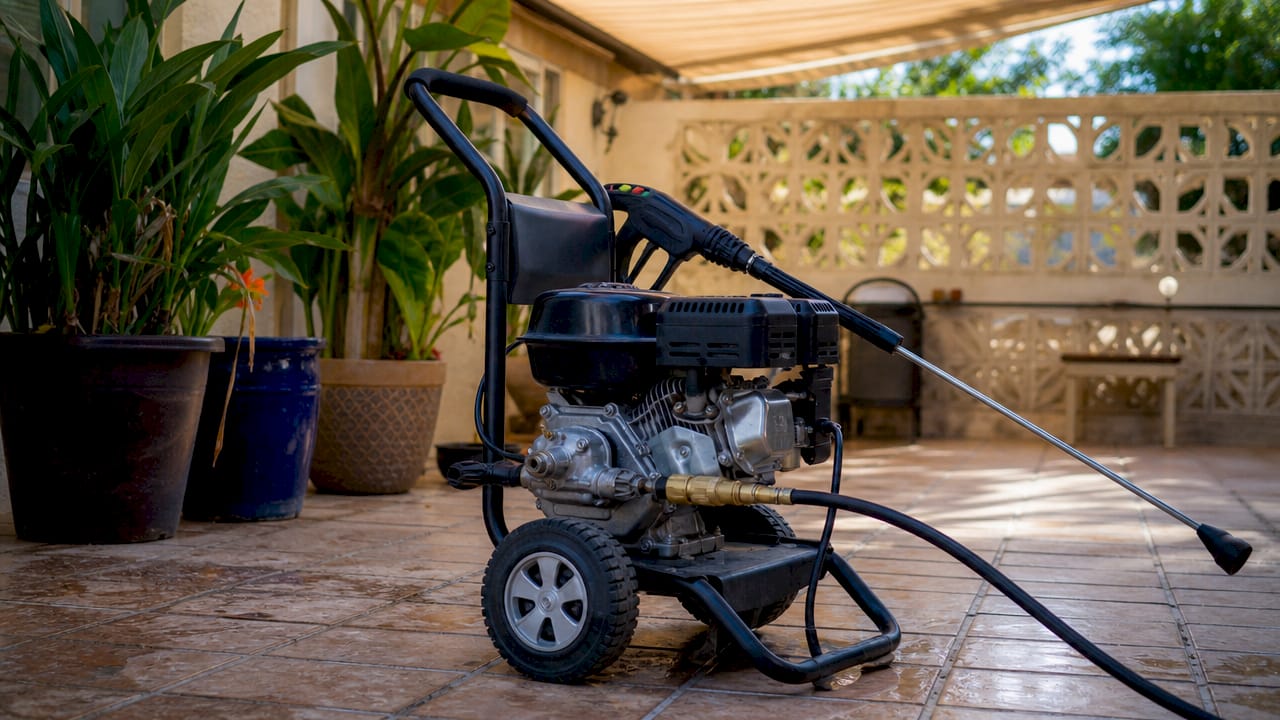
High-pressure washing is defined as the use of a motorised pump to force water through a narrow nozzle at very high velocity, producing a concentrated jet that strips dirt, mould, algae, and grime from exterior surfaces. Residential machines typically operate between 1,300 and 3,500 PSI, while industrial units can exceed 10,000 PSI. That pressure range covers most home cleaning tasks, from concrete driveways to painted weatherboards. Properly applied, high-pressure cleaning removes years of built-up contamination without harsh chemicals, making it one of the most cost-effective maintenance tools available to homeowners and property managers.
How does high-pressure washing work?
A pressure washer draws water from a tap, accelerates it through a pump, and forces it out through a nozzle at high speed. The cleaning power comes from three factors working together: pressure (PSI), flow rate (litres per minute), and nozzle geometry. Combining machine power, water temperature, flow rate, and nozzle geometry produces the best cleaning results. Adjusting any one of these variables changes the outcome significantly.
Nozzle types and their roles
Nozzles are colour-coded by spray angle. A 0-degree red nozzle fires a pinpoint jet with maximum force, suited only to bare concrete. A 25-degree green nozzle is the standard choice for most exterior surfaces. A 40-degree white nozzle delivers a wide, gentle fan ideal for rinsing. A black soap nozzle operates at very low pressure and applies detergent before rinsing.
Cold water vs hot water cleaning
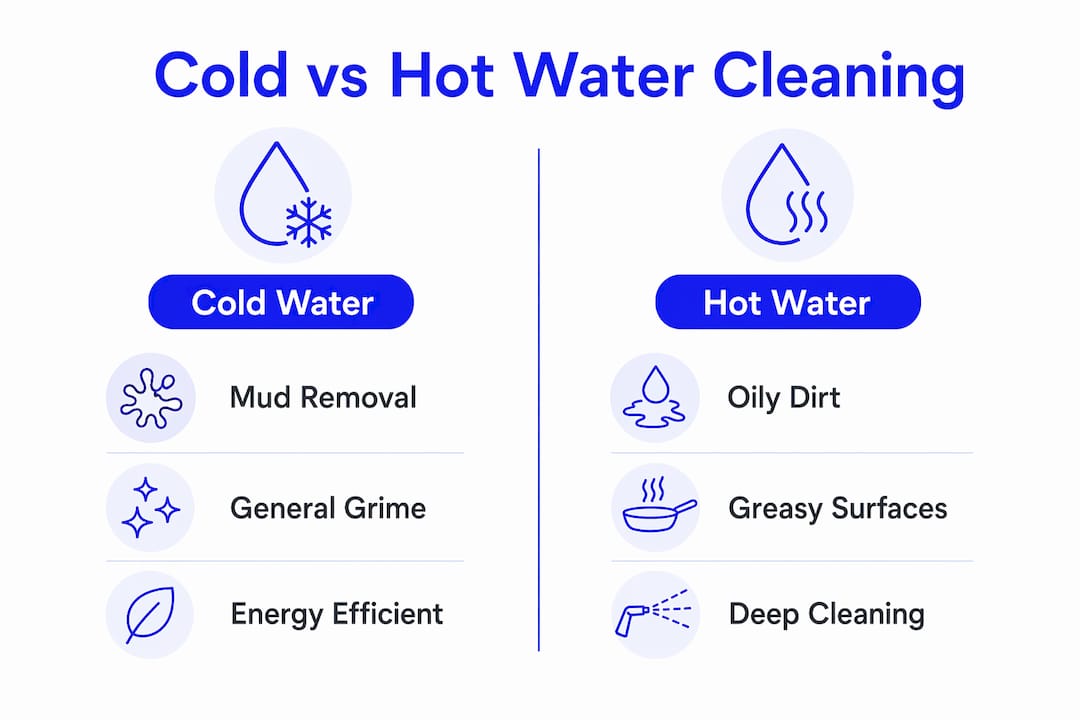
Hot water is more effective on oily or greasy dirt, while cold water handles mud, soil, and general grime well. Most residential cleaning uses cold water machines, which are lighter, less expensive, and adequate for typical exterior surfaces. Hot water units are common in commercial kitchens, workshops, and industrial settings where grease is the primary contaminant.
Pro Tip: Always start at the lowest pressure setting and move the nozzle closer gradually. You can always increase force, but you cannot undo etched timber or stripped paint.
Key safety considerations include:
- Never point the nozzle at people, pets, or electrical fittings.
- Wear closed-toe shoes and safety glasses at all times.
- Keep the nozzle moving to avoid concentrating force on one spot.
- Stand on stable ground and avoid working from ladders where possible.
- Disconnect the machine from power before changing nozzles.
What are the benefits of high-pressure washing for homeowners?
High-pressure cleaning delivers measurable results across several areas of home maintenance. Real estate professionals rank exterior cleaning as a cost-effective home improvement, and painters require clean surfaces to achieve proper paint adhesion. That connection between cleaning and long-term property value is why regular washing belongs in every maintenance schedule.
The core benefits for homeowners and property managers include:
- Mould and algae removal. Melbourne’s humid conditions encourage mould growth on rendered walls, timber cladding, and roof tiles. Pressure washing removes active spores before they penetrate surfaces.
- Surface preparation for repainting. Paint applied over chalking, dust, or mildew fails within months. Thorough surface preparation before painting is the single biggest factor in paint longevity.
- Revealing hidden damage. Removing surface grime reveals underlying issues such as paint delamination, caulk failure, and timber rot. Catching these problems early saves significant repair costs.
- Curb appeal. A clean façade lifts the appearance of a property immediately, which matters whether you are selling, renting, or simply maintaining your investment.
- Reduced chemical use. Water pressure alone removes most biological growth, reducing the need for bleach or other cleaning agents.
“Pressure washing is not just a cosmetic exercise. It is a diagnostic process. Every time you wash a façade, you learn something about the condition of the surface underneath. That knowledge is what separates reactive maintenance from proactive care.”
The environmental benefit is real but conditional. Using a pressure washer without detergent on most surfaces keeps chemical runoff out of stormwater drains. When detergents are necessary, biodegradable options are available and should always be chosen.
How to match pressure settings to different exterior surfaces
Using a single pressure setting across all surfaces is the most common mistake homeowners make. Experts emphasise matching PSI and spray patterns to the material to avoid damage. Excessive pressure can etch concrete, strip wood fibres, and force water behind cladding, causing internal moisture damage that is expensive to fix.
The table below provides a practical starting point for surface-specific pressure selection.
| Surface | Recommended PSI | Nozzle angle | Notes |
|---|---|---|---|
| Concrete driveways | 2,500–3,500 PSI | 15–25 degrees | Pre-soak with detergent for oil stains |
| Brick and render | 1,500–2,500 PSI | 25–40 degrees | Test a small area first; old mortar is fragile |
| Timber weatherboards | 1,200–1,500 PSI | 40 degrees | Always spray with the grain, never against it |
| Vinyl and fibre cement | 1,300–1,800 PSI | 25–40 degrees | Avoid directing water upward under laps |
| Roof tiles | 1,200–1,500 PSI | 40 degrees | Avoid walking on tiles; use an extension wand |
| Heritage masonry | Under 1,000 PSI | Soft wash only | Use low pressure with appropriate cleaning agents |
Soft washing vs high-pressure cleaning
Soft washing uses gentle pressure combined with cleaning agents for delicate substrates such as older timber siding, heritage render, and painted surfaces in poor condition. The detergent does the biological work, and the low-pressure rinse removes residue without mechanical force. For Melbourne heritage homes, soft washing is often the correct choice, particularly on Victorian-era lime render or original timber joinery where high pressure would cause irreversible damage.
Pro Tip: For timber surfaces, always check the exterior cleaning guide for your specific cladding type before selecting a nozzle. Timber grain direction and paint condition both affect the safe pressure range.
Painting and decorating professionals also note that pressure washing supports quality exterior preparation, particularly when removing chalking paint or biological growth ahead of a repaint. Getting this step right is what separates a paint job that lasts three years from one that lasts ten.
How often should you pressure wash your home?
Frequency depends on climate, surface type, and surrounding vegetation. Homes in humid climates should be cleaned every 6–12 months, while properties in drier conditions may only need washing every one to two years. Melbourne’s variable climate, with warm summers and wet winters, generally places most properties in the 12-month category, with shaded or north-facing walls sometimes needing attention more often.
A practical annual maintenance sequence looks like this:
- Inspect before washing. Walk the perimeter and note any cracked caulk, loose render, or damaged paint. Pressure washing over these areas can force water into the structure.
- Choose spring as your primary wash window. Spring cleaning removes winter mould and prepares surfaces for summer UV exposure. It also gives you time to schedule any repairs or repainting before the hottest months.
- Clear gutters and downpipes first. Washing walls while gutters are blocked simply redirects contaminated water back onto clean surfaces.
- Work top to bottom. Start at the roofline and work downward so dirty water does not run over areas you have already cleaned.
- Allow full drying time before painting. Surfaces need at least 48 hours of dry weather after washing before any primer or paint is applied. Moisture trapped under paint causes blistering and early failure.
- Avoid washing in freezing conditions. Water forced into hairline cracks can freeze overnight and expand, widening the crack and accelerating structural damage.
Homeowners managing heritage properties should consider professional pressure washing services for any surface that shows signs of deterioration. The risk of damage from incorrect technique is highest on aged materials, and the cost of repair far exceeds the cost of getting it right the first time.
Key takeaways
High-pressure washing is the most cost-effective exterior maintenance task a homeowner can perform, provided pressure settings and nozzle selection are matched carefully to each surface.
| Point | Details |
|---|---|
| PSI range matters | Residential cleaning requires 1,300–3,500 PSI; always start low and adjust upward. |
| Nozzle selection is critical | Spray angle determines force distribution; use 40 degrees for timber and delicate surfaces. |
| Soft washing protects heritage materials | Low pressure with cleaning agents is the correct method for lime render and aged timber. |
| Annual washing prevents long-term damage | Spring is the best time to wash; humid climates may need cleaning every 6–12 months. |
| Washing reveals hidden defects | Surface cleaning exposes paint delamination, caulk failure, and timber rot before they worsen. |
What I have learned from years of watching pressure washing go wrong
The most consistent mistake I see on heritage properties is overconfidence with pressure. Homeowners hire a machine for the weekend, set it to maximum, and work through the job quickly. The results look clean on the day. Three months later, the render is cracking, the timber is raised and splintered, and water has tracked behind the cladding into the wall cavity.
High-pressure cleaning is genuinely useful. It is also one of the few maintenance tasks where the damage is invisible until it is too late. The water does not just clean the surface. It penetrates every gap, crack, and joint. On a sound, well-maintained façade, that is fine. On a Victorian terrace with original lime mortar and aged weatherboards, it can be catastrophic.
My advice is simple. Use the lowest pressure that achieves the result. If you are not sure what that is, start at 1,200 PSI with a 40-degree nozzle and work from there. For any property with heritage materials, consult a professional before touching the surface with a pressure washer. The craftsmanship in heritage restoration that follows a wash depends entirely on the condition of what is underneath. Protect that first.
— Jarrad
Sol Shine’s exterior painting services start where pressure washing ends
Thorough pressure washing is the foundation of any lasting exterior paint job. Without it, even premium paint fails early, because contamination and chalking prevent proper adhesion to the substrate.

Sol Shine’s exterior painting services in Melbourne include full surface preparation as part of every project. The team assesses each surface after washing, identifies any defects that need repair, and applies the correct primer and paint system for the substrate and exposure conditions. For homeowners in Kew, Hawthorn, Camberwell, Brighton, and surrounding suburbs, Sol Shine manages the entire process from cleaning through to final coat. Contact Sol Shine to discuss your exterior painting project and get a clear, detailed quote.
FAQ
What is the difference between pressure washing and power washing?
Power washing uses heated water, while pressure washing uses cold water at high pressure. Most residential exterior cleaning uses cold water pressure washing, which is effective for mould, algae, and general grime.
Can high-pressure washing damage my home’s exterior?
Yes, excessive pressure can etch concrete, strip timber fibres, and force water behind cladding. Matching PSI and nozzle angle to the specific surface prevents damage.
Is soft washing better than high-pressure cleaning for heritage homes?
Soft washing is the correct method for heritage render, lime mortar, and aged timber. It uses low pressure with cleaning agents, which removes biological growth without mechanical damage to fragile surfaces.
How long after pressure washing can I paint?
Surfaces need at least 48 hours of dry weather after washing before primer or paint is applied. Moisture trapped under paint causes blistering and premature failure.
How often should I pressure wash my home in Melbourne?
Most Melbourne properties benefit from annual pressure washing. Shaded walls or properties surrounded by vegetation may need cleaning every 6–12 months due to faster mould and algae growth.


